
Digital Identity
What is Digital Identity?
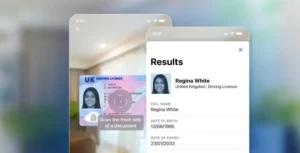
Digital identity refers to the online representation of an individual or entity, composed of various attributes, credentials, and information that uniquely identify them in digital environments. It encompasses the collection of data, identifiers, and digital interactions that define how a person or organization is recognized, authenticated, and authorized across digital platforms and services.
A digital identity consists of several core components:
- Identifiers: Unique markers such as usernames, email addresses, phone numbers, or government-issued ID numbers
- Attributes: Personal characteristics like name, date of birth, address, biometric data, or professional qualifications
- Credentials: Authentication factors including passwords, digital certificates, tokens, or biometric signatures
- Entitlements: Permissions and access rights that determine what resources or services the identity can access
Unlike physical identity, which relies on tangible documents and in-person verification, digital identity exists entirely in electronic form and requires technological systems for creation, management, and verification. The relationship between users (identity owners), identity providers (organizations that create and manage identities), and relying parties (services that trust and use these identities) forms the foundation of digital identity ecosystems.
Types and Categories of Digital Identity
Digital identities can be categorized into several distinct types based on their purpose and context:
Personal Digital Identity
- Social media profiles: Facebook, LinkedIn, Twitter accounts that represent personal or professional personas
- Consumer accounts: Online shopping profiles, streaming service accounts, gaming identities
- Communication identities: Email addresses, messaging app profiles, video conferencing accounts
Professional Digital Identity
- Corporate credentials: Employee IDs, business email addresses, professional certifications
- Industry-specific identities: Medical licenses, legal bar admissions, educational credentials
- Freelancer profiles: Portfolio websites, professional service platforms, contractor credentials
Government Digital Identity
- Citizen identification: Digital driver’s licenses, passport data, national ID systems
- Voting credentials: Electronic voting systems, voter registration databases
- Benefits and services: Social security accounts, tax filing systems, healthcare portals
Financial Digital Identity
- Banking credentials: Online banking profiles, credit card accounts, investment portfolios
- Payment systems: Digital wallets, cryptocurrency addresses, peer-to-peer payment accounts
- Credit and lending: Credit bureau profiles, loan applications, financial service accounts
How Digital Identity Works
Digital identity systems operate through a structured process of authentication and verification:
Identity Creation and Registration
- Enrollment: Users provide initial information and credentials to establish their digital identity
- Verification: Identity providers validate the provided information through various methods
- Credential issuance: Digital credentials, certificates, or tokens are created and assigned to the user
Authentication Process
- Identity claim: User presents their credentials (username, password, biometrics)
- Verification: System validates the presented credentials against stored identity data
- Authorization: Upon successful authentication, appropriate access permissions are granted
Ongoing Management
- Profile updates: Users can modify attributes and credentials as needed
- Access control: Systems continuously verify identity for sensitive operations
- Audit trails: Digital footprints track identity usage and access patterns
Security Risks and Privacy Considerations
Digital identity management involves several critical security and privacy challenges:
Common Security Risks
- Identity theft: Unauthorized use of personal information to impersonate individuals
- Account takeover: Criminals gaining access to legitimate user accounts through compromised credentials
- Data breaches: Large-scale exposure of personal information from identity provider systems
- Phishing attacks: Fraudulent attempts to steal login credentials and personal information
- Synthetic identity fraud: Creation of fake identities using combinations of real and fabricated information
Privacy Concerns
- Data collection: Extensive gathering of personal information across multiple platforms
- Tracking and profiling: Monitoring of online activities to build detailed user profiles
- Third-party sharing: Distribution of personal data to advertisers, partners, or other organizations
- Lack of control: Limited user ability to manage how their digital identity information is used
Protection Best Practices
- Strong authentication: Use of multi-factor authentication and complex passwords
- Regular monitoring: Checking accounts and credit reports for unauthorized activity
- Privacy settings: Configuring appropriate privacy controls on social media and online accounts
- Data minimization: Sharing only necessary information when creating digital accounts
- Secure networks: Using encrypted connections and avoiding public Wi-Fi for sensitive activities
Benefits and Real-World Applications
Digital identity systems provide numerous advantages across various sectors:
Enhanced Security and Trust
- Fraud prevention: Robust identity verification reduces fraudulent activities
- Secure transactions: Authenticated identities enable safe online commerce and financial operations
- Access control: Precise permission management protects sensitive resources and information
Improved User Experience
- Single sign-on: One set of credentials provides access to multiple services
- Personalization: Tailored experiences based on verified user preferences and history
- Streamlined processes: Faster onboarding and service delivery through automated identity verification
Business Applications
- Know Your Customer (KYC): Financial institutions verify customer identities to comply with regulations
- Employee management: Organizations manage workforce access to systems and facilities
- Customer relationship management: Businesses build comprehensive profiles to improve service delivery
Government and Public Services
- Digital citizenship: Citizens access government services through verified digital identities
- Healthcare systems: Secure patient identification enables coordinated medical care
- Education platforms: Students and educators access learning resources through authenticated accounts
Understanding and properly managing digital identity is essential in today’s interconnected world. As digital services continue to expand, individuals and organizations must balance the convenience and benefits of digital identity with the need to protect personal information and maintain privacy. Effective digital identity management requires ongoing attention to security practices, privacy settings, and awareness of how personal information is collected, used, and shared across digital platforms.