
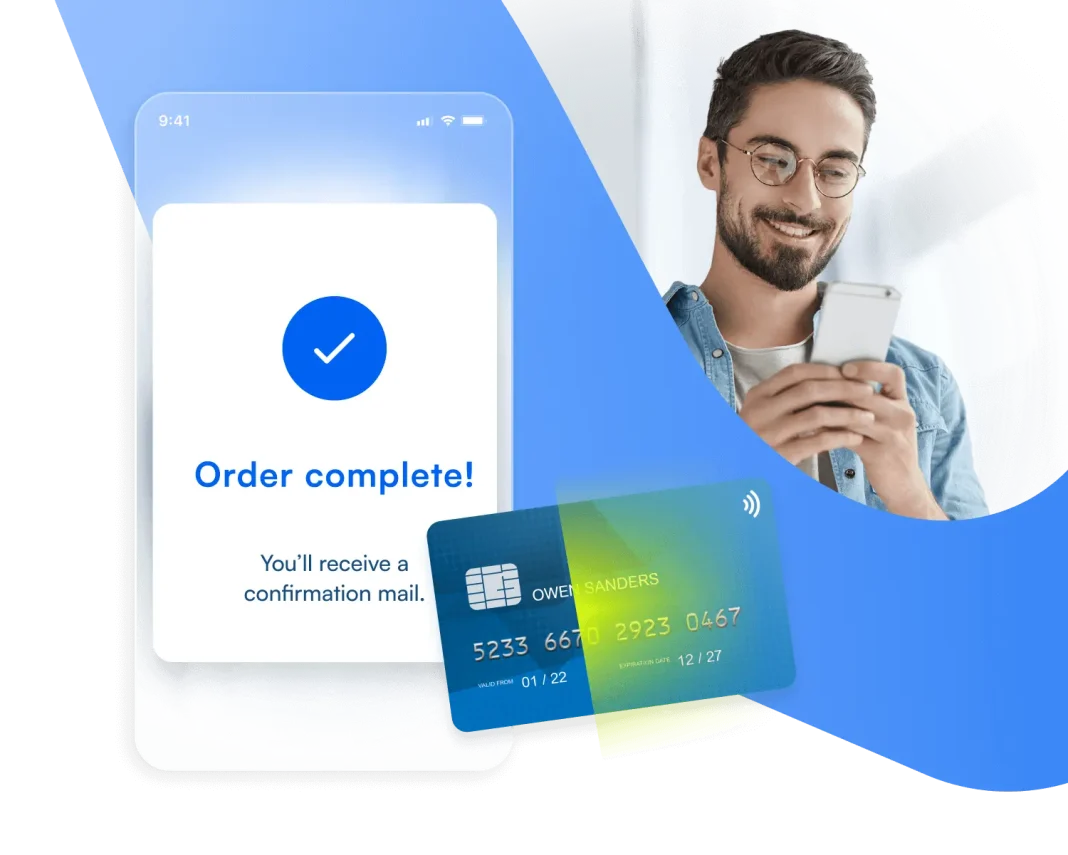
Instant Credit Card Scanning with Built-in Fraud Prevention
Deliver secure, real-time credit card scanning in under 3 seconds with BlinkCard’s Liveness Detection and card-agnostic scanning.







How It Works
BlinkCard captures and processes credit card data in under 3 seconds, regardless of the card’s design, with built-in Liveness Detection to ensure the card is physically present. By detecting fraudulent attempts in real-time and allowing customizable data anonymization, BlinkCard helps businesses securely process payments and onboard users with confidence.

Instant Scanning
BlinkCard captures and processes credit card data in less than 3 seconds, regardless of the card’s design or layout.

Real-Time Liveness Detection
Verify that the card is physically present with built-in Liveness Detection, blocking fraudulent attempts instantly.

Secure Data Processing
Ensure privacy compliance with customizable data anonymization, and choose between on-device or self-hosted processing for maximum security.
Ready to get started with BlinkCard?
Understanding Credit Card Fraud

What is Card-Not-Present Fraud?
Card-Not-Present (CNP) fraud occurs when a transaction is made without the physical credit card being present, typically during online or phone purchases. Fraudsters use stolen card information to make unauthorized purchases, resulting in financial losses for businesses.
How does BlinkCard help?
BlinkCard’s Liveness Detection ensures that the card is physically present, preventing the use of stolen card details for fraudulent transactions. This advanced technology helps businesses reduce the risk of CNP fraud and process transactions securely.

Why is Liveness Detection Critical for Fraud Prevention?
Liveness Detection is key to preventing fraud in today’s digital world, where stolen card details are often used in online transactions. Fraudsters rely on using card images or details, but they can’t bypass a system that verifies the card’s physical presence.
How does BlinkCard’s Liveness Detection work?
BlinkCard checks the card being scanned is physically present, blocking fraudulent attempts like screen-displayed or photocopied cards. This real-time fraud prevention provides an added layer of security in payment processing.

What Makes BlinkCard Card-Agnostic?
Card-Agnostic means that BlinkCard can process and scan any credit card, regardless of its layout or design, whether embossed, indented, or engraved. This capability ensures businesses can capture card data quickly and accurately without worrying about card compatibility.
How does BlinkCard’s card-agnostic feature benefit my business?
With BlinkCard, businesses can integrate a single solution that handles all credit card types, improving operational efficiency and reducing friction during the customer payment process.
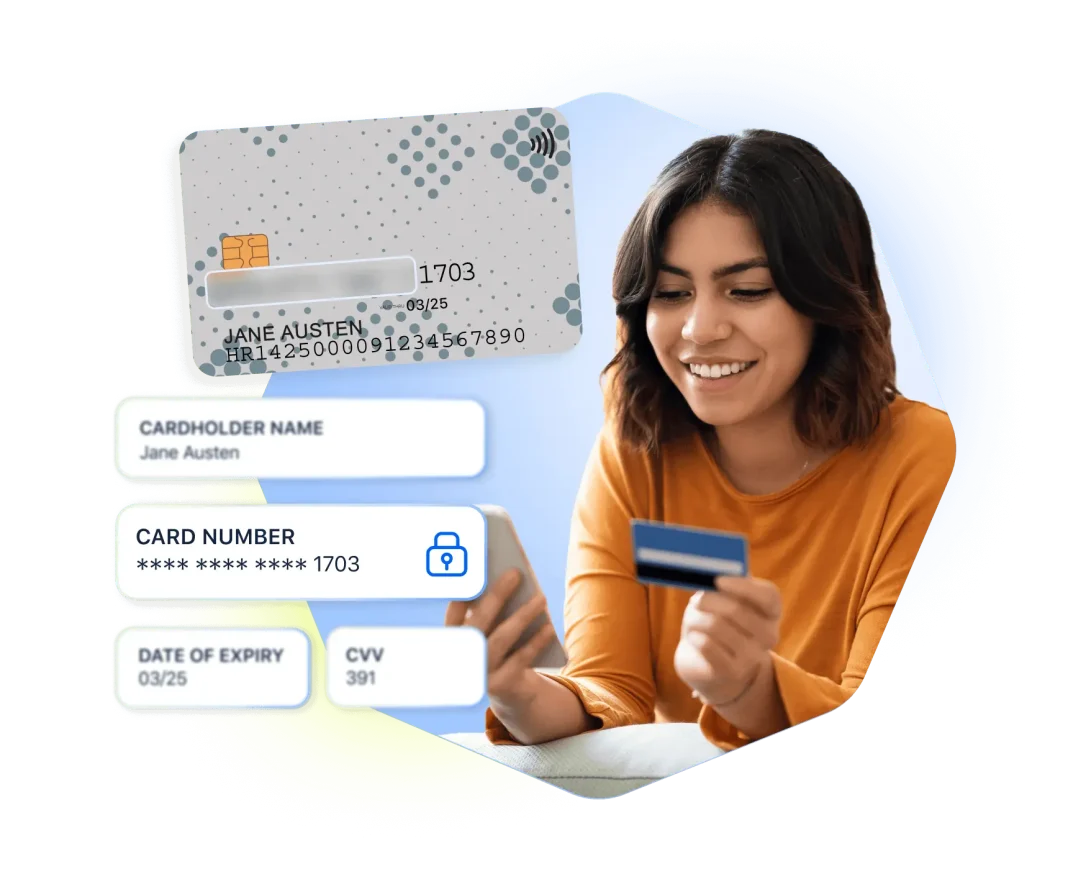
How Does BlinkCard Protect Sensitive Data?
Data security is critical in any payment process, and BlinkCard takes privacy seriously by allowing businesses to configure which card data to capture and anonymize sensitive fields like the CVV.
What are BlinkCard’s privacy features?
With on-device processing and self-hosted infrastructure options, BlinkCard assists businesses with maintaining compliance with global privacy regulations while protecting sensitive cardholder information.
Secure Your Business with BlinkCard
Talk to our team and learn how BlinkCard can protect your business from fraud, speed up your payment processing, and ensure secure, real-time card verification.
Our AI-powered products prioritize security and privacy, backed by our certifications.

We implemented a Information Security Management System which is certified by DNV according to

We implemented a Privacy Information Management System which is certified by DNV according to ISO/IEC 27701 standard.
We implemented a Information Security Management System which is certified by DNV according to
We implemented a Privacy Information Management System which is certified by DNV according to ISO/IEC 27701 standard.
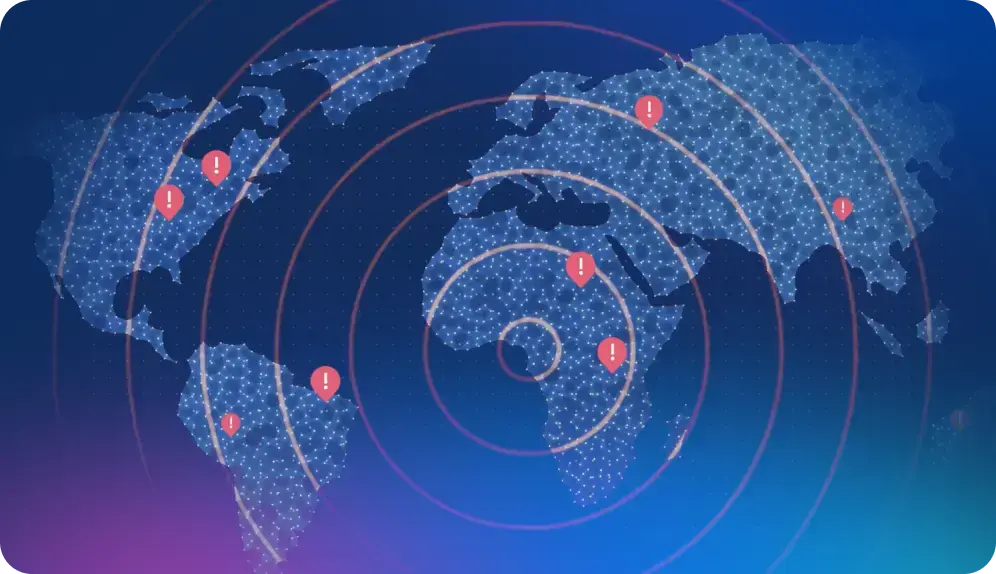
AI didn't just make fraud faster. It made it a system. We analyzed millions of identity interactions to map how identity attacks are evolving across regions, attack types, and sophistication levels — and what organizations need to rethink to keep pace.
See the Data