
5 Most Common Customer Onboarding Challenges and How to Overcome Them

Before overhauling your onboarding system or implementing a new technology tool to better facilitate it, companies need to assess the biggest challenges they face regarding new customers. With onboarding increasingly shifting to digital processes, integrating new customers and getting them up to speed requires modern tools and technologies.
Designing a successful system is not easy, especially when it has as significant an impact on customer satisfaction and user retention as onboarding. However, knowing how to overcome customer onboarding challenges will better ensure you provide an optimal process to users.
Identifying customer onboarding challenges
Tackling issues first requires one to diagnose them. So, when evaluating customer onboarding process challenges, assessments and solutions should focus on the following top five challenges companies face today:
- Lengthy processes: A successful customer onboarding process is quick and simple. Lengthy user onboarding is a deterrent for new customers, leading to higher abandonment and customer churn rates.
- Lack of personalization: Lack of personalization can negatively impact the customer onboarding experience, making the user feel like just another number or another platform or service might better fit their needs.
- Compliance issues: Ensuring that all onboarding processes comply with complex and changing regulations is no easy feat, especially in certain industries.
- Ineffective communication: Customers who feel confused or frustrated will likely abandon the onboarding process altogether.
- Technical issues: No one likes dealing with bugs and delays, but few things can disrupt onboarding as significantly as technical issues.
Solutions to overcome onboarding challenges
Overcoming these top customer onboarding challenges becomes easier when companies approach them strategically and leverage technologies to streamline operations.
Consider the following solutions:
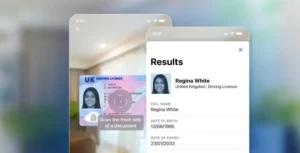
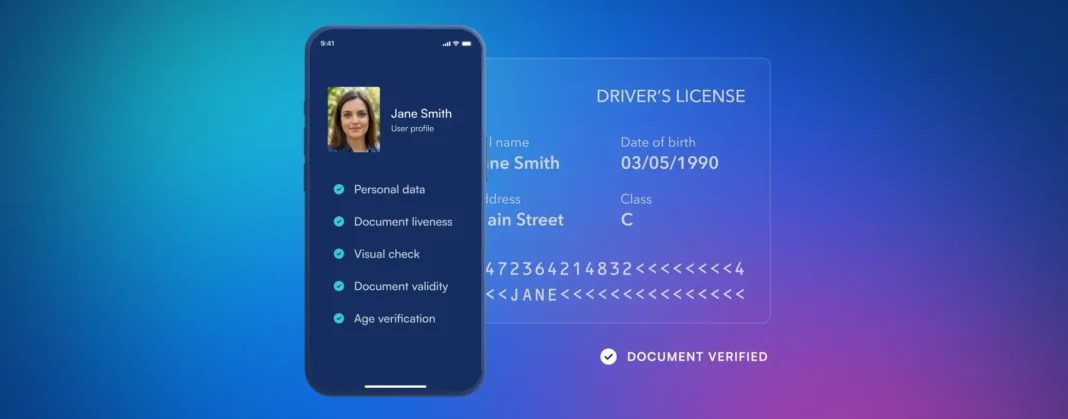
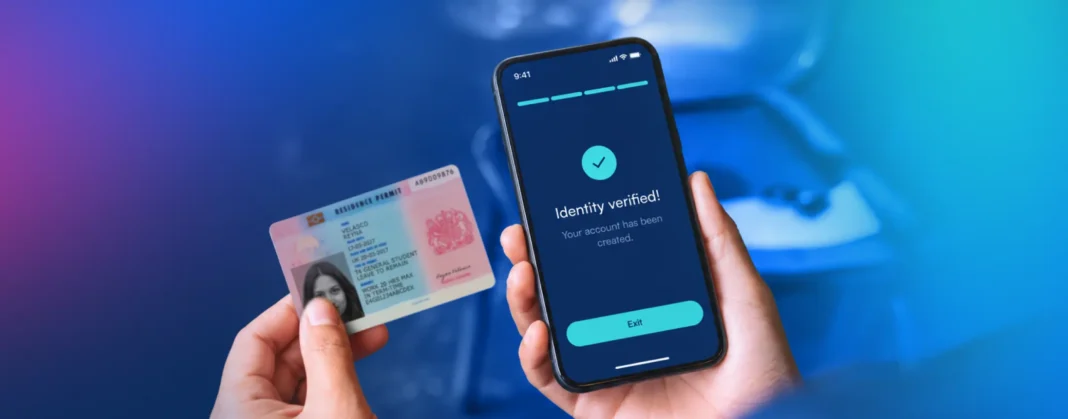
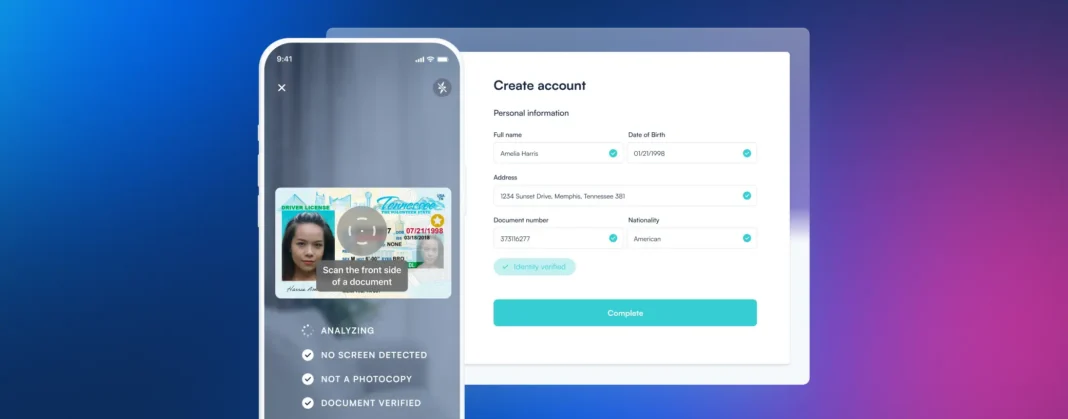
- Streamline processes: The first hiccups in the user onboarding process usually occur during customer verification, which is often lengthy, manual, and unnecessarily cumbersome. Automated software, like Microblink’s BlinkID, streamlines this process with a one-step document scan and upload.
- Personalized onboarding: One survey found that 86% of consumers would be willing to pay more for better customer experiences. Companies can better provide that outcome from the get-go via personalization based on gathering and analyzing customer behavior, data, and customer feedback. For example, BlinkReceipt makes this easy with automated purchase data analysis.
- Enhance compliance efforts: Regulatory compliance introduces significant challenges for numerous industries with every little rule change. Integrating technologies like Microblink’s identity document verification and working with the right partner helps businesses comply with KYC (know your customer), AML (anti-money laundering), and age verification requirements.
- Utilize technology to guide users more effectively: The lack of real-time feedback remains a major problem for digital onboarding. Immediately receiving extra guidance for steps like properly scanning documents helps minimize customer frustration due to confusion and errors.
- Reduce manual errors and optimize tech stacks: Automation helps eliminate the human error common with manual data entry. Reliable, properly integrated technology stacks also reduce bugs and other technical issues. For example, Microblink’s AI-powered SDK helps minimize manual data entry during scanning, lessening the burden for overloaded customer support teams.
Leveraging technology for smoother onboarding
Microblink scans and verifies 95 documents every second, or three billion IDs per year. With more than 124 million users worldwide, Microblink also ensures consistent reliability (99.9% uptime) for countless businesses. No matter how skilled or fast a human clerk is, they simply cannot compare.
Implementing automation and technologies for onboarding steps like document scanning and verification will always achieve a faster, smoother overall process. It reduces the steps users need to complete and the back-end efforts completed by staff.
For example, Pie Systems’ end-to-end VAT refund solution uses Microblink to process documents and extract relevant customer data. Revolutionizing a painful system, Pie Systems can rapidly collect and verify documents that would otherwise require users to stand in lengthy queues waiting for someone to review and file paperwork.
And after integrating Microblink, Pie Systems experienced an eightfold increase in growth.
Enhancing user experience through onboarding
An inefficient onboarding process can harm overall operational flow and stymie user adoption.
The onboarding experience needs to be engaging and intuitive to cultivate customer satisfaction and foster further interest or loyalty. This can be achieved through personalized interactions, clear communication, and feedback loops for continuous improvement.
Staying ahead of compliance and security
Customers’ data privacy should count among every modern company’s top priorities.
After the General Data Protection Regulation (GDPR), the California Consumer Privacy Act (CCPA), and similar legislation created legal frameworks imposing strict requirements on how personal information is handled, companies must be more diligent than ever about data collection and use. There are also industry and region-specific regulations that need to be followed.
Beyond mandatory regulations, users who believe a company acts irresponsibly with their personal data will avoid its products and services based on reputation alone.
Biometric verification and secure data capture play crucial roles in meeting compliance requirements. Still, any business that collects this type of information needs to implement robust security measures to secure it and provide adequate training for staff handling it.
Future-proofing your onboarding process
Businesses need to understand user expectations and keep up with technological advancements to better anticipate future trends in customer onboarding. There probably isn’t an organization that wouldn’t benefit from having a dedicated customer success and support team—or several that handle specific customer segments.
However, businesses must leverage technology to streamline and enhance the onboarding process. This is where solutions like Microblink change everything.
Microblink automates the onboarding journey, facilitating a seamless user experience while empowering businesses to take their operations to the next level. If you’re ready for that, try our demo.