Gen AI and Deepfake Fraud
Microblink's GenAI & Deepfake Fraud Prevention detects AI-generated IDs, non-ID documents, deepfakes, injection attacks, and synthetic identity manipulation across onboarding and transactions.
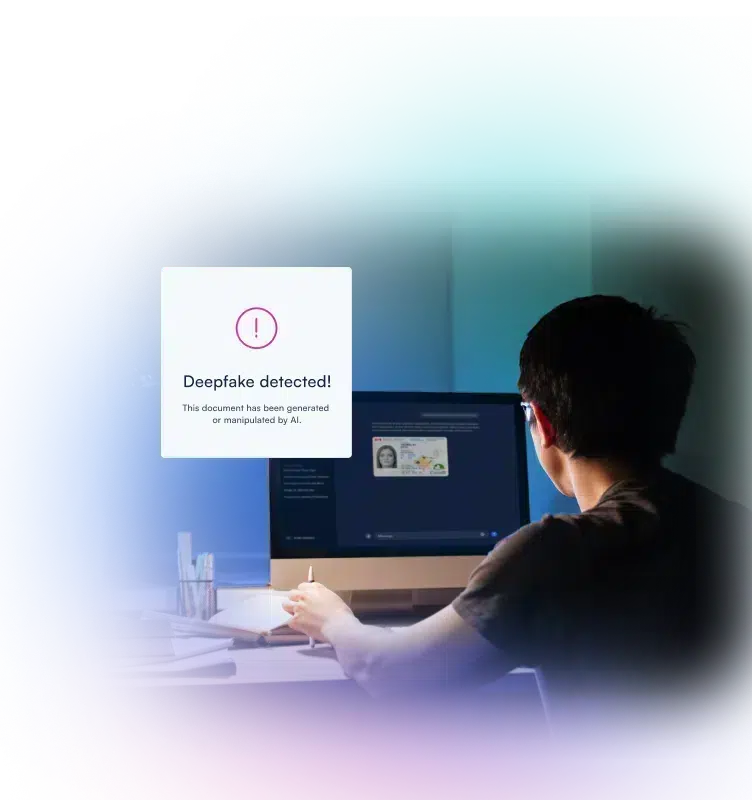
CHALLENGE
Generative AI has transformed fraud from rare to routine, and most systems aren’t built to tell the difference.
THE SOLUTION
Microblink treats deepfake fraud as a multi-layered identity problem across documents, faces and every step of the journey. Microblink’s Fraud Lab generates and tests against more than 100,000 synthetic IDs and non-IDs every month, continuously training AI models against emerging deepfake and GenAI attack patterns before they appear in the wild. Microblink’s GenAI Detection capability identifies IDs and non-ID documents likely generated or heavily manipulated using generative AI tools and LLM-powered image systems. By analyzing image structure, rendering inconsistencies, manipulation artifacts, and synthetic generation patterns, the system helps organizations identify fraudulent documents that never existed in the physical world. Instead of relying on a single checkpoint, Microblink continuously evaluates identity signals across the journey by detecting inconsistencies that indicate deepfake or AI-generated fraud before they escalate.
How it works
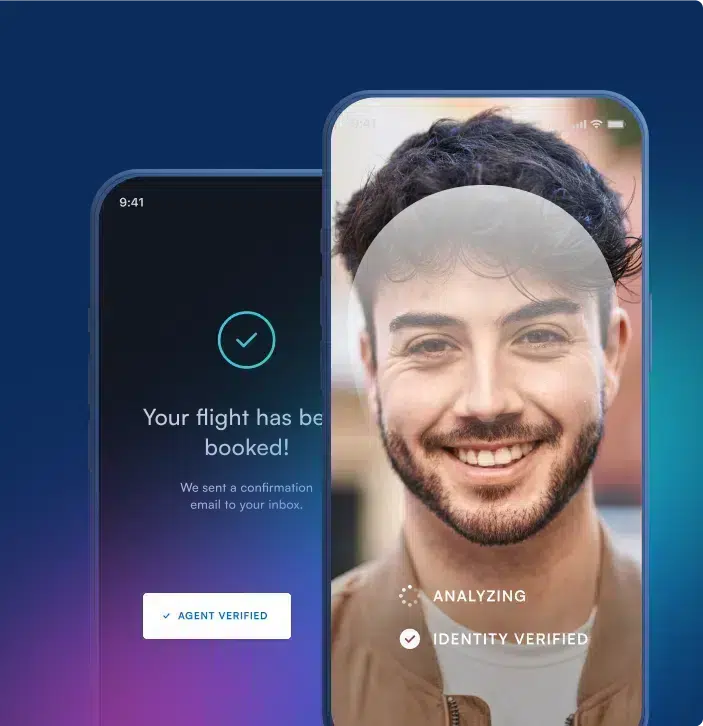
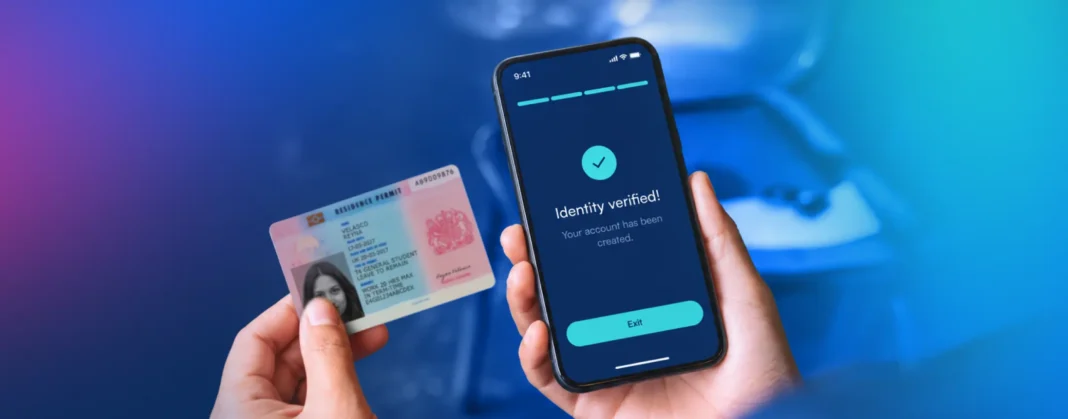
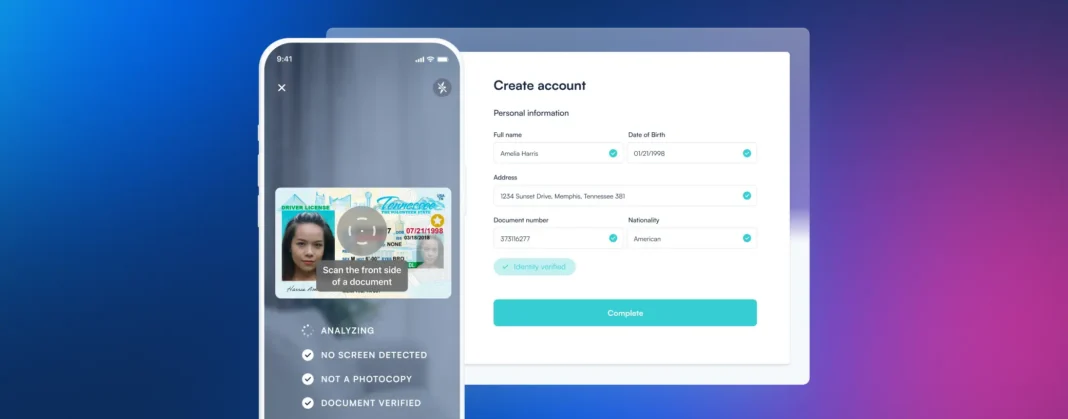
Users submit identity through video, image, or document ID and non-ID document capture, generating raw biometric and document signals.
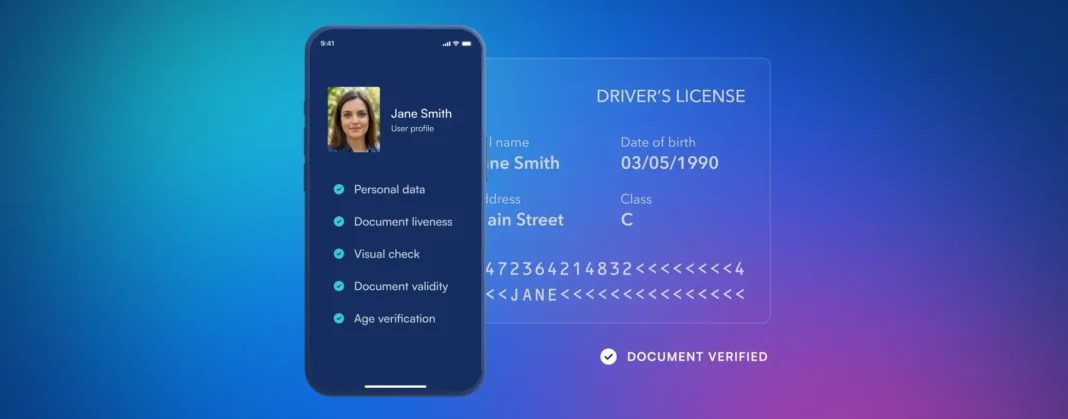
AI models analyze ID and non-ID documents and biometric inputs for synthetic artifacts, generation inconsistencies, injection indicators, and manipulation patterns associated with AI Generation.
Biometric systems perform liveness detection and presentation attack detection to identify deepfakes, masks, and injection attempts.
Signals across identity, biometrics, and behavior are combined into real-time decisioning, resulting in automated approval, rejection, or step-up verification.
KEY BENEFITS

Microblink’s Identity Intelligence OS delivers multi-layered protection, dynamically adapting to new attack vectors.

Our in-house AI team creates over 100,000 synthetic IDs monthly, building an unmatched proprietary dataset for red hat anti-deepfake training and testing.

Accurately distinguish between legitimate users and sophisticated fraud attempts.

Meet growing regulatory expectations for deepfake-resistant identity verification

Continuously detect new attack patterns as generative AI tools improve.
Microblink’s Identity Intelligence OS delivers multi-layered protection, dynamically adapting to new attack vectors.
Our in-house AI team creates over 100,000 synthetic IDs monthly, building an unmatched proprietary dataset for red hat anti-deepfake training and testing.
Accurately distinguish between legitimate users and sophisticated fraud attempts.
Meet growing regulatory expectations for deepfake-resistant identity verification
Continuously detect new attack patterns as generative AI tools improve.
FEATURES & FUNCTIONALITY
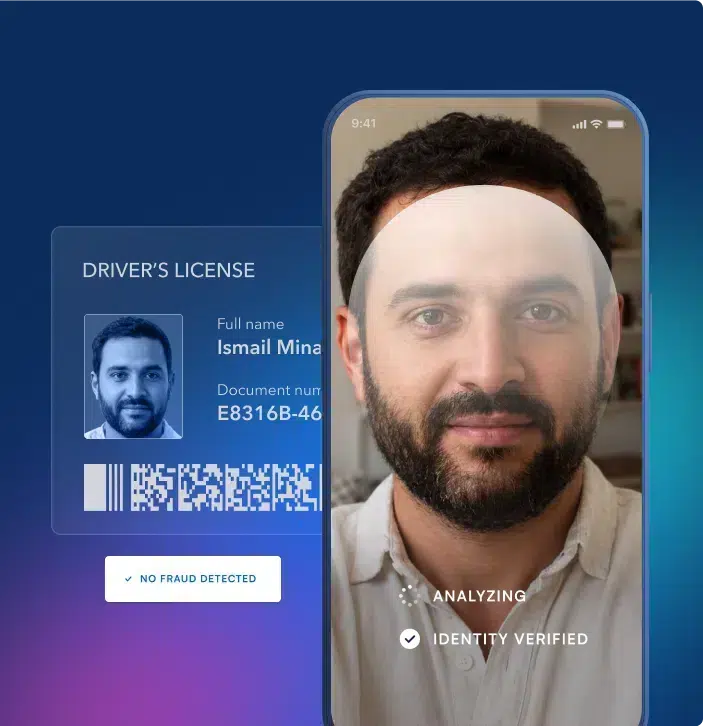
Microblink combines advanced biometric verification with presentation attack detection capable of identifying deepfake injection attempts and synthetic media artifacts that traditional systems miss.

At the document level, AI models analyze structure, image layers, and subtle inconsistencies to detect AI-generated or manipulated identities, including composite fraud techniques and synthetic data blending.
Behind the scenes, Microblink’s Fraud Lab continuously generates and tests against new deepfake and synthetic attack patterns, allowing models to evolve ahead of real-world threats rather than reacting after the fact.
With on-device processing and flexible integration via APIs and SDKs, organizations can deploy deepfake-resistant verification into existing workflows without adding latency or friction.
Microblink combines advanced biometric verification with presentation attack detection capable of identifying deepfake injection attempts and synthetic media artifacts that traditional systems miss.
At the document level, AI models analyze structure, image layers, and subtle inconsistencies to detect AI-generated or manipulated identities, including composite fraud techniques and synthetic data blending.
Behind the scenes, Microblink’s Fraud Lab continuously generates and tests against new deepfake and synthetic attack patterns, allowing models to evolve ahead of real-world threats rather than reacting after the fact.
With on-device processing and flexible integration via APIs and SDKs, organizations can deploy deepfake-resistant verification into existing workflows without adding latency or friction.
Testimonials
Discover how Microblink can help your organization detect AI-generated fraud, prevent account takeover, and maintain trust in an era of synthetic identity.
Microblink was very easy to integrate and allowed us to move quickly without compromising on security or compliance.
The SDK gave us a strong plug-and-play starting point, and the Microblink team was highly responsive throughout testing and rollout.
Overall, it was a very smooth experience.
— Mathieu Hartvick
Instacart
Software Engineer and Project Lead
Banco Azteca was able to easily implement BlinkID across multiple mobile applications and use cases, whether users were trying to open a bank account or apply for a loan.
We couldn’t be more impressed with how agile and versatile it is, seamlessly integrating with our onboarding processes while delivering accurate, real-time results.
— Francisco León
Banco Azteca
IT Director
By integrating Microblink’s technology into our platform for automotive lenders across Mexico, we’ve been able to dramatically accelerate and optimize ID verification.
We’ve achieved a 98% success rate, making the entire KYC process faster, smoother, and more reliable for our business and our customers.
— Fabián Ramírez
Latin ID
Product owner
Microblink was very easy to integrate and allowed us to move quickly without compromising on security or compliance.
The SDK gave us a strong plug-and-play starting point, and the Microblink team was highly responsive throughout testing and rollout.
Overall, it was a very smooth experience.
— Mathieu Hartvick
Instacart
Software Engineer and Project Lead
Banco Azteca was able to easily implement BlinkID across multiple mobile applications and use cases, whether users were trying to open a bank account or apply for a loan.
We couldn’t be more impressed with how agile and versatile it is, seamlessly integrating with our onboarding processes while delivering accurate, real-time results.
— Francisco León
Banco Azteca
IT Director
By integrating Microblink’s technology into our platform for automotive lenders across Mexico, we’ve been able to dramatically accelerate and optimize ID verification.
We’ve achieved a 98% success rate, making the entire KYC process faster, smoother, and more reliable for our business and our customers.
— Fabián Ramírez
Latin ID
Product owner
Latest
FAQ
Have another question?
Contact our team!
Deepfake fraud involves using AI-generated images, video, or audio to impersonate real individuals and bypass identity verification systems.
A deepfake injection attack occurs when synthetic media is directly fed into a verification system, bypassing live capture and defeating basic liveness checks.
Microblink uses biometric analysis, presentation attack detection, and document intelligence to identify inconsistencies and synthetic artifacts invisible to the human eye.
Most systems rely on static checks or visual inspection, which cannot detect high-quality AI-generated media or coordinated synthetic identity attacks.
No. Verification is designed to run seamlessly in the background, applying advanced detection without disrupting the user experience.
Designed for modern digital onboarding, Microblink helps businesses prevent fraud, reduce friction, and maintain compliance without slowing down the customer experience.

We appreciate your interest in our products and will get back to you shortly.
If you want to see our demo in action and talk about your use case, feel free to book a meeting .
If you want to see our demo in action and talk about your use case, book a meeting right now.
An email has been sent to you with full booking details.
We look forward to showcasing our solutions to you soon.
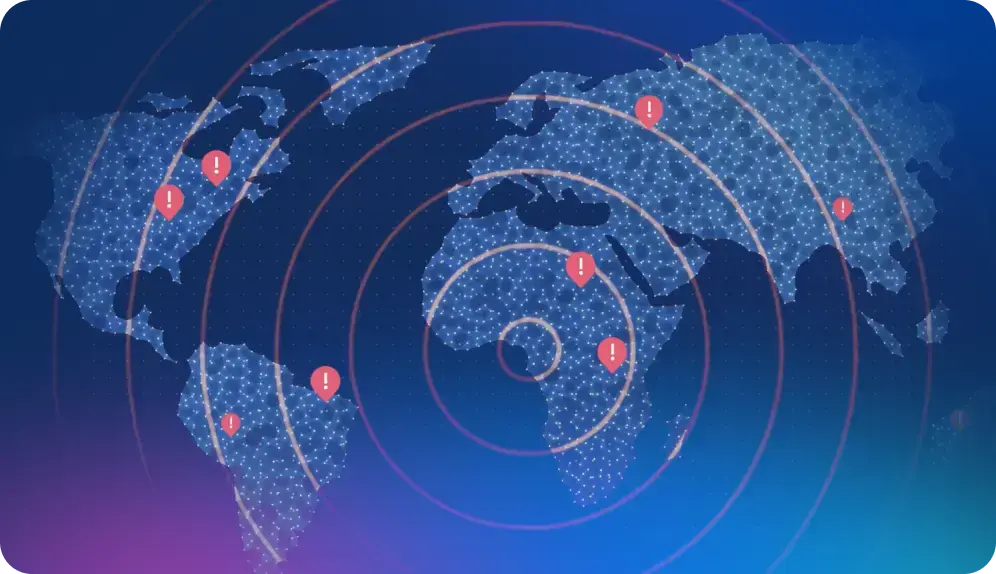
AI didn't just make fraud faster. It made it a system. We analyzed millions of identity interactions to map how identity attacks are evolving across regions, attack types, and sophistication levels — and what organizations need to rethink to keep pace.
See the Data