Healthcare
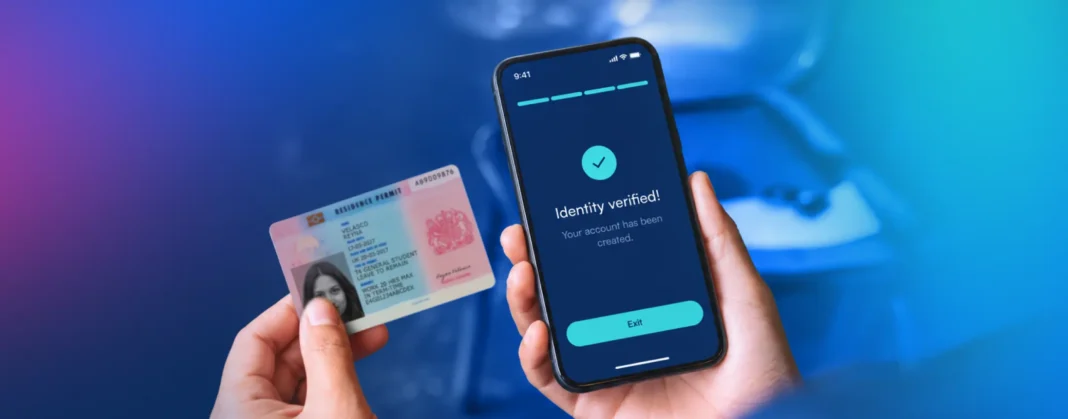
Microblink enables health systems, telehealth platforms, insurers, and pharmacy operators verify the right patient at every interaction across touchpoints, from initial onboarding through ongoing care, without the registration delays that frustrate patients and staff alike.
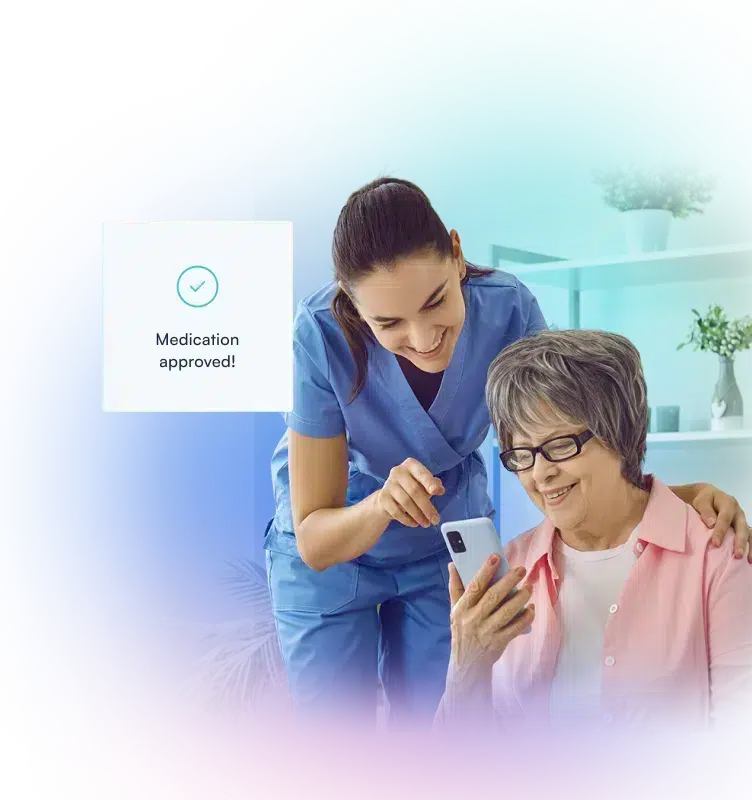
Medical identity theft is one of the fastest-growing and most damaging forms of identity fraud. A stolen medical identity doesn’t trigger a credit alert — it silently corrupts a patient record with someone else’s diagnoses, medications, and procedures. Patients discover the breach when they’re denied coverage for a condition they don’t have, or when a provider makes a treatment decision based on a record that isn’t theirs. The cost is measured in patient safety outcomes, not just dollars.
Digital healthcare amplifies the exposure. Telehealth platforms verify patients at a distance. Insurance portals process claims with no human in the loop. Prescription fulfillment systems rely on identity records established at enrollment. HIPAA requires that covered entities verify patient identity before accessing protected health information — but many systems still rely on self-reported data that a fraudster can replicate in minutes. Microblink’s Identity Intelligence OS helps healthcare operators build identity verification that is fast enough for patient intake workflows, accurate enough to satisfy HIPAA requirements, and robust enough to detect medical identity theft before it corrupts the record.
SECURING THE CUSTOMER JOURNEY
Microblink covers the four moments where patient identity and fraud exposure intersect in digital healthcare:
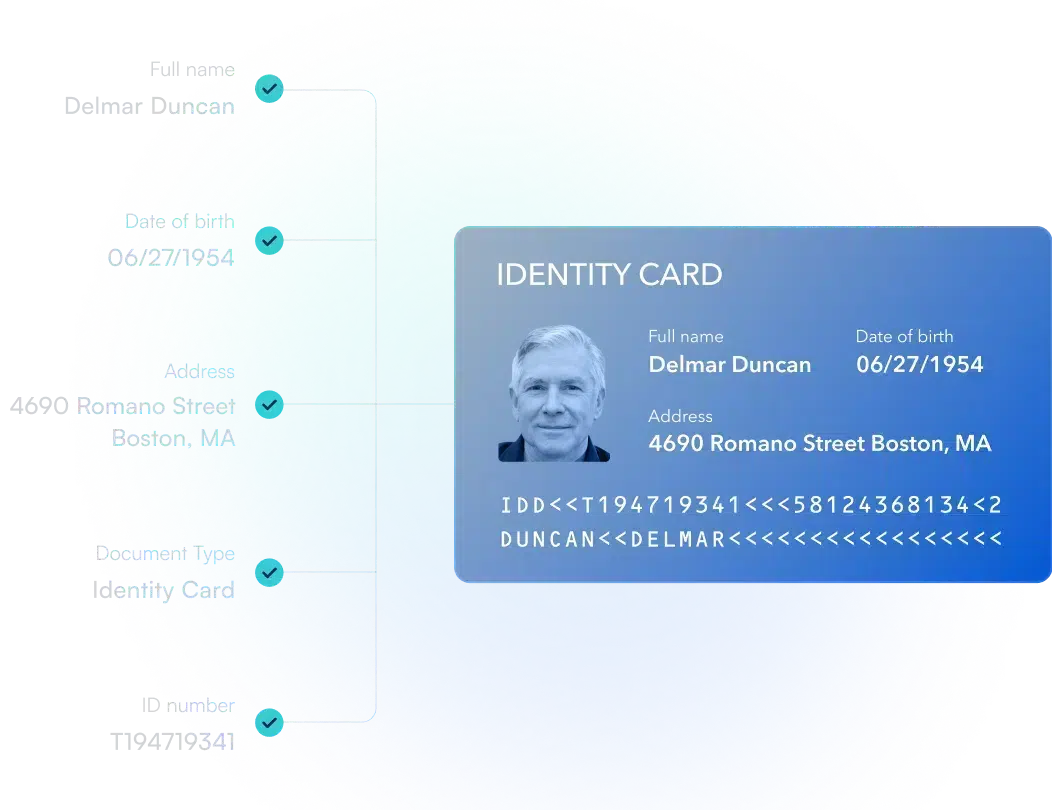
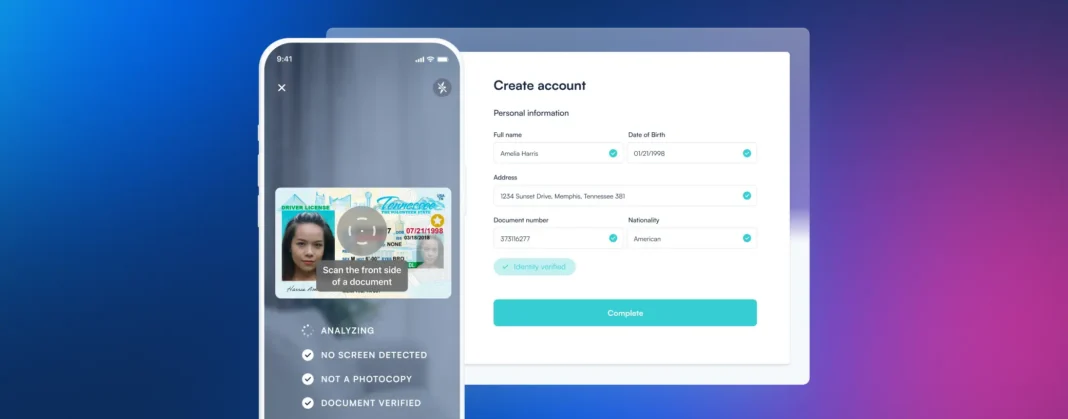
Accurate patient identity starts at registration. Microblink's document capture eliminates manual data entry at intake — extracting patient information from government-issued IDs in under three seconds, populating registration forms accurately, and producing a verified identity record that links the patient to their medical record.
At Omnicare Medical Center, implementing BlinkID reduced total wait time from registration to test results by over an hour and increased daily patient throughput from 20 tests per day to a single-day high of 582.
Remote care depends on knowing the person on the other end of the video call is who they claim to be.
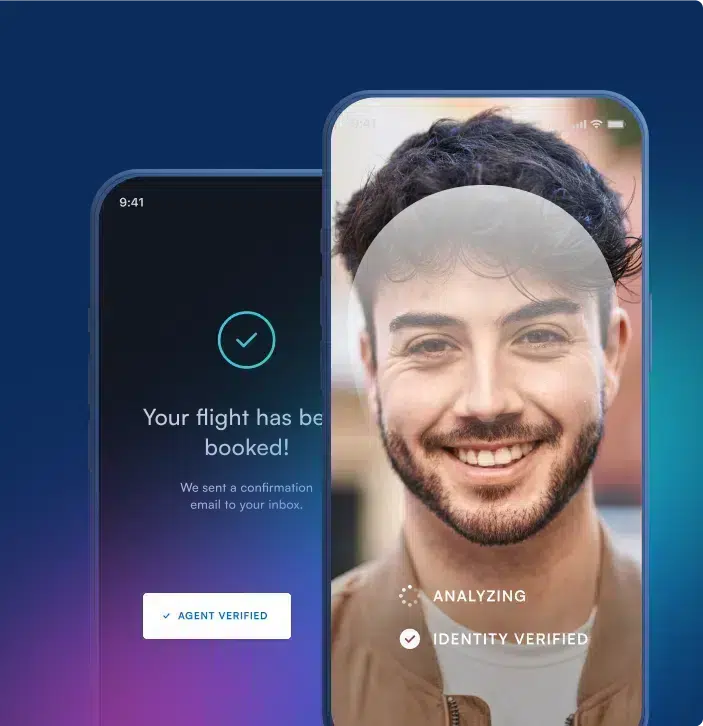
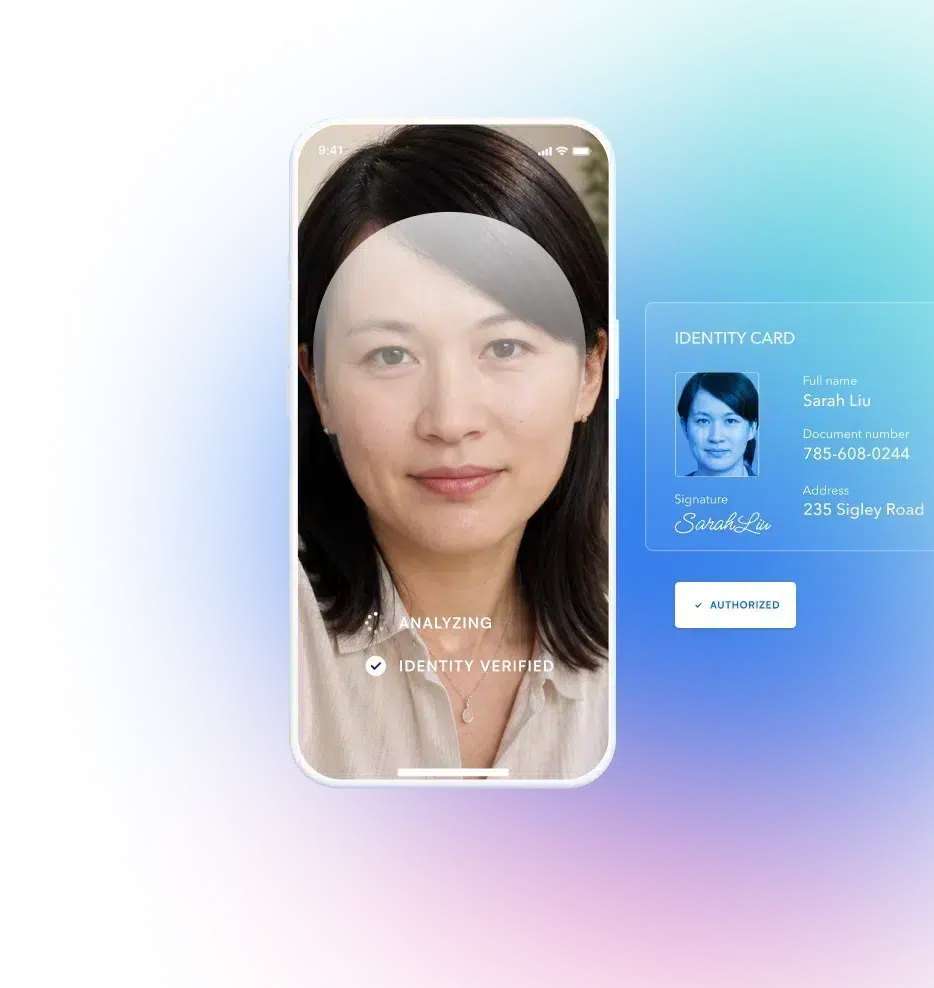
Microblink adds identity verification to telehealth onboarding and session access — combining document verification with facial biometric matching to confirm the patient before care begins.
This protects providers from delivering care under a false identity and satisfies the identity verification requirements that telehealth regulators increasingly expect.
Accessing protected health information, updating medication records, or changing insurance details are high-risk events that require confirmation of the real patient's identity before they proceed.
Microblink adds step-up verification at these access points — ensuring that the person requesting changes to a patient record can prove they are who they claim to be, not just that they have a username and password.
Prescription fraud, drug-seeking behavior, and controlled substance diversion are persistent problems for pharmacy operators and telehealth prescribing platforms.
Microblink adds age verification and identity confirmation to prescription and refill flows, confirming the real patient is requesting the medication and that they meet the age and identity requirements for controlled substance access.
Accurate patient identity starts at registration. Microblink's document capture eliminates manual data entry at intake — extracting patient information from government-issued IDs in under three seconds, populating registration forms accurately, and producing a verified identity record that links the patient to their medical record.
At Omnicare Medical Center, implementing BlinkID reduced total wait time from registration to test results by over an hour and increased daily patient throughput from 20 tests per day to a single-day high of 582.
The Microblink Difference
Why Microblink
Microblink helps healthcare teams verify the real patient behind every visit, record access, and prescription request so they can prevent identity fraud and protect records without slowing care.
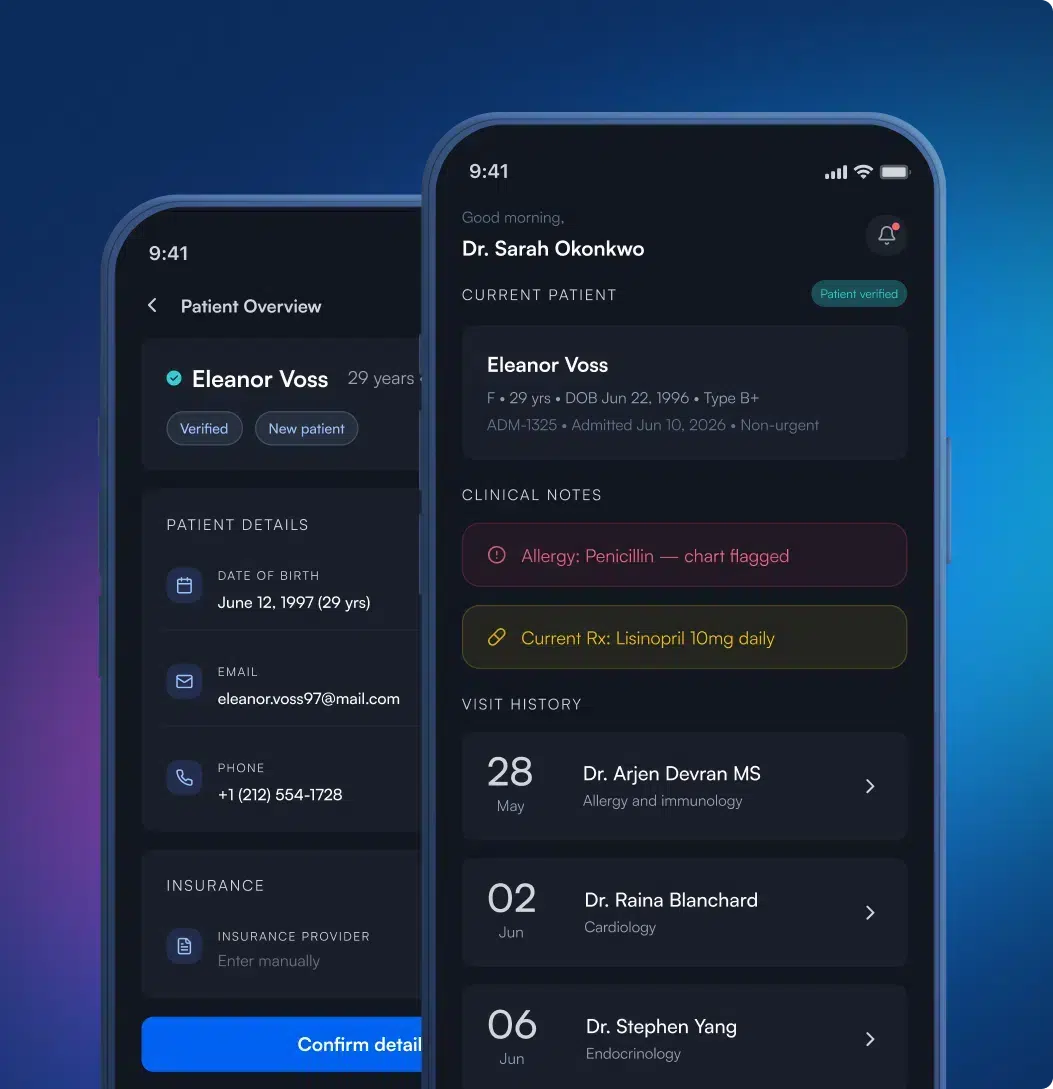
The registration process is where healthcare identity fraud and operational inefficiency both begin. Microblink's adaptive document capture removes manual data entry from the intake workflow — staff scan the patient's ID, the platform extracts and populates the registration data accurately, and the intake process moves from minutes to seconds. Omnicare Medical Center went from 20 tests per day to 582 tests in a single day after implementing BlinkID for patient registration. The same throughput gain applies whether the setting is a clinic, an urgent care, or a high-volume testing center.
In March 2026, Microblink became the only identity verification vendor to meet all performance thresholds in the U.S. Department of Homeland Security's RIVR evaluation. 0.00% System Error Rate. 3.15% Document False Reject Rate. 0.88% Document False Accept Rate. Every other participating vendor failed at least one threshold. For healthcare operators whose identity verification decisions affect patient safety and HIPAA compliance, that accuracy margin is not a marginal technical distinction — it's a patient safety consideration.
Healthcare data is among the most sensitive personal information that exists. Microblink supports on-device processing and regional cloud endpoints, meaning patient identity data — including ID document images and biometric data — can be processed without leaving the device or the compliant infrastructure environment. No patient image is stored or transmitted by Microblink unless the operator's workflow requires it.
Patient identity doesn't stop mattering after intake. Telehealth sessions, prescription refills, insurance claim submissions, and access to patient portals all create moments where confirming the right patient matters. Microblink's identity layer spans the full patient journey, not just the registration desk — giving care teams and compliance officers a consistent identity record that updates over time.
Health systems serving internationally mobile patient populations, telehealth platforms operating across state and national borders, and insurers with global coverage all need identity verification that works with the documents their patients actually present. Microblink supports 2,500+ ID document types across 195+ countries and territories.
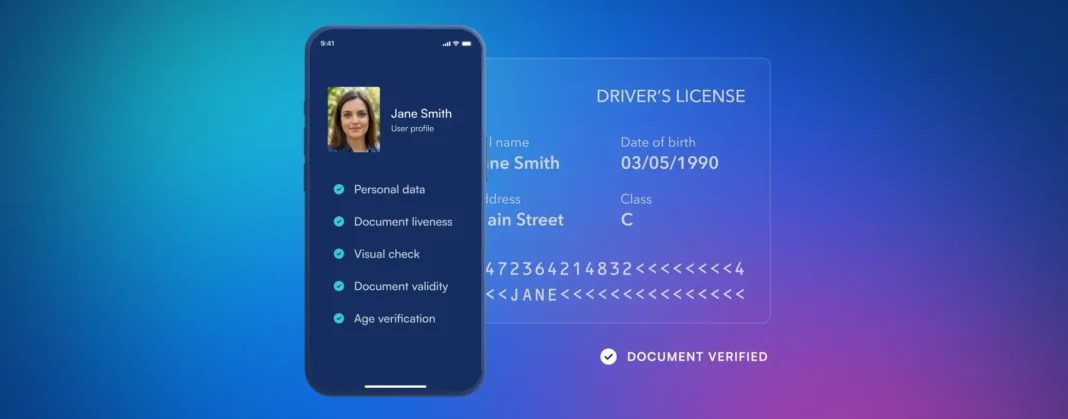
Manual ID data entry at patient registration is slow, error-prone, and creates inaccurate records that compound downstream. Microblink’s document capture extracts patient identity data from a government-issued ID in under three seconds, populating registration forms without transcription.
Microblink adds document verification and biometric matching to telehealth onboarding and session access, confirming the person on the call is the patient of record before care begins. This satisfies the identity verification expectations of state telehealth regulators and protects providers from liabilities
Patient portals, EHR systems, and insurance portals that allow patients to access their own records also create an attack surface for unauthorized access if identity controls are weak. Microblink adds step-up identity verification to sensitive record access events so that the patient of record, not someone with a stolen password, is making the request.
Microblink confirms the requesting patient’s identity and age before the prescription is approved — whether the request comes through a telehealth platform, a patient portal, or a pharmacy fulfillment system. The check is fast enough not to interrupt routine refills for established patients; it applies the right scrutiny when the risk profile warrants it.
Clinical staff need patient intake workflows that don’t create queues. Compliance teams need identity records that satisfy HIPAA and state telehealth requirements. IT and security teams need verification that doesn’t introduce data risks. Microblink serves all three by building identity into the clinical workflow rather than bolting it on as a separate compliance step.
Testimonials
By automating ID data extraction, we were able to reduce total wait time — from registration to test results — by over an hour, while also increasing the number of patients we could test per day exponentially.
With limited resources and staff, on our busiest days, we were only able to complete about 20 tests per day. After implementing BlinkID, we hit a high mark of 582 tests in one day.
— Xavier Ewing
Omnicare Medical Center
IT and Operations Manager
Microblink has helped make our inspection workflows significantly more efficient.
By reducing manual data entry and accelerating identity lookups, our officers can spend less time on administrative tasks and more time focusing on professional interactions with travelers.
— Fredrik Dahl-Jorgensen
IT Division at Tolletaten
Director of Systems Development
By automating ID data extraction, we were able to reduce total wait time — from registration to test results — by over an hour, while also increasing the number of patients we could test per day exponentially.
With limited resources and staff, on our busiest days, we were only able to complete about 20 tests per day. After implementing BlinkID, we hit a high mark of 582 tests in one day.
— Xavier Ewing
Omnicare Medical Center
IT and Operations Manager
Microblink has helped make our inspection workflows significantly more efficient.
By reducing manual data entry and accelerating identity lookups, our officers can spend less time on administrative tasks and more time focusing on professional interactions with travelers.
— Fredrik Dahl-Jorgensen
IT Division at Tolletaten
Director of Systems Development
Latest
FAQ
Have another question?
Contact our team!
Microblink provides the document verification, biometric matching, and auditable decision record that HIPAA-covered entities need to confirm patient identity before accessing protected health information. Every verification decision is logged with calibratable thresholds and full explainability, giving compliance officers a defensible record for audits. On-device processing options ensure patient identity data stays within the compliant infrastructure environment without being transmitted to or stored by Microblink.
Microblink’s document verification and facial biometric matching work remotely via mobile SDK and web API — meaning telehealth platforms can verify patient identity before a consultation begins, not just at the initial account creation. The patient presents a government-issued ID on their device; the platform verifies the document and matches the face to the ID image. This confirms the person on the call is the patient of record, satisfying the identity verification expectations of state telehealth regulators.
Microblink supports on-device processing — patient ID document images and biometric data are processed on the patient’s device, not transmitted to external servers. This means sensitive patient data doesn’t leave the compliant environment unless the operator’s workflow requires it. Regional cloud endpoints are also available for operators with specific data residency requirements. No patient image is stored by Microblink by default.
BlinkID extracts patient data from a government-issued ID in under three seconds, eliminating manual form entry at registration. At Omnicare Medical Center, automating ID data extraction reduced total patient wait time — from registration to test results — by over an hour. Daily throughput increased from approximately 20 patients per day to a single-day high of 582. The throughput gain scales with patient volume — the higher the intake load, the more impactful the elimination of manual entry becomes.
Designed for modern digital onboarding, Microblink helps businesses prevent fraud, reduce friction, and maintain compliance without slowing down the customer experience.

We appreciate your interest in our products and will get back to you shortly.
If you want to see our demo in action and talk about your use case, feel free to book a meeting .
If you want to see our demo in action and talk about your use case, book a meeting right now.
An email has been sent to you with full booking details.
We look forward to showcasing our solutions to you soon.
AI didn't just make fraud faster. It made it a system. We analyzed millions of identity interactions to map how identity attacks are evolving across regions, attack types, and sophistication levels — and what organizations need to rethink to keep pace.
See the Data