Telecommunications
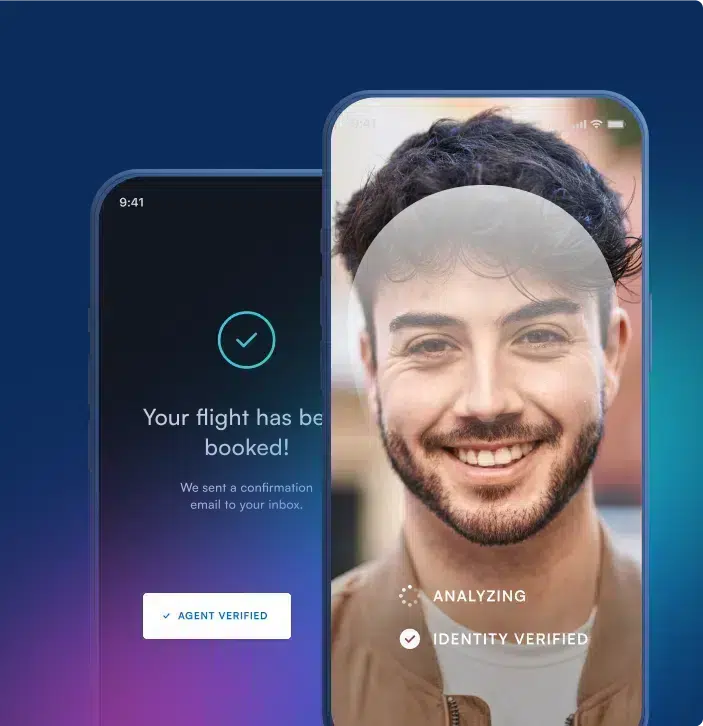
Telecommunications providers are on the front line of identity fraud in ways that other industries aren't. Mobile numbers are the authentication layer for banking, healthcare, and commerce, which makes them high-value targets. Microblink helps telecoms verify real subscribers at onboarding, close the account recovery window that SIM swap exploits, and speed up retail POS flows that currently rely on manual data entry .
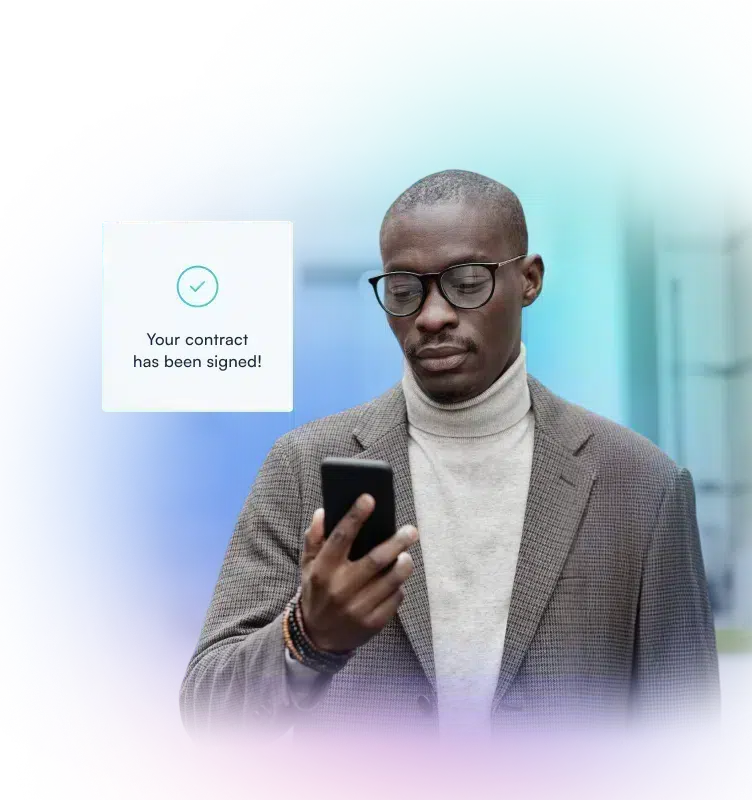
SIM swap fraud doesn’t start in a bank app. It starts at the carrier. A fraudster who can convince a telecom to transfer a victim’s number to a new SIM can bypass SMS-based authentication for financial accounts, email, and healthcare portals — all from a single successful social engineering call. Mobile numbers are increasingly used as authentication factors across every industry, which means the telecom’s ability to verify who is asking for an account change is no longer just a telecom problem. It’s a financial services problem, a healthcare problem, and a trust problem that affects every user on the network.
At the same time, telecom fraud is rising on the account origination side. Stolen and synthetic identities are used to open accounts for device financing abuse, fraudulent subscription creation, and prepaid account fraud. Retail POS locations struggle with manual ID data entry that creates inaccurate records and slows customer acquisition. Microblink’s Identity Intelligence OS helps telecom providers close these gaps across the full subscriber lifecycle — from activation to account recovery — with identity controls calibrated to the risk of each interaction.
SECURING THE CUSTOMER JOURNEY
Microblink covers the four moments of highest identity risk in the telecom subscriber lifecycle:
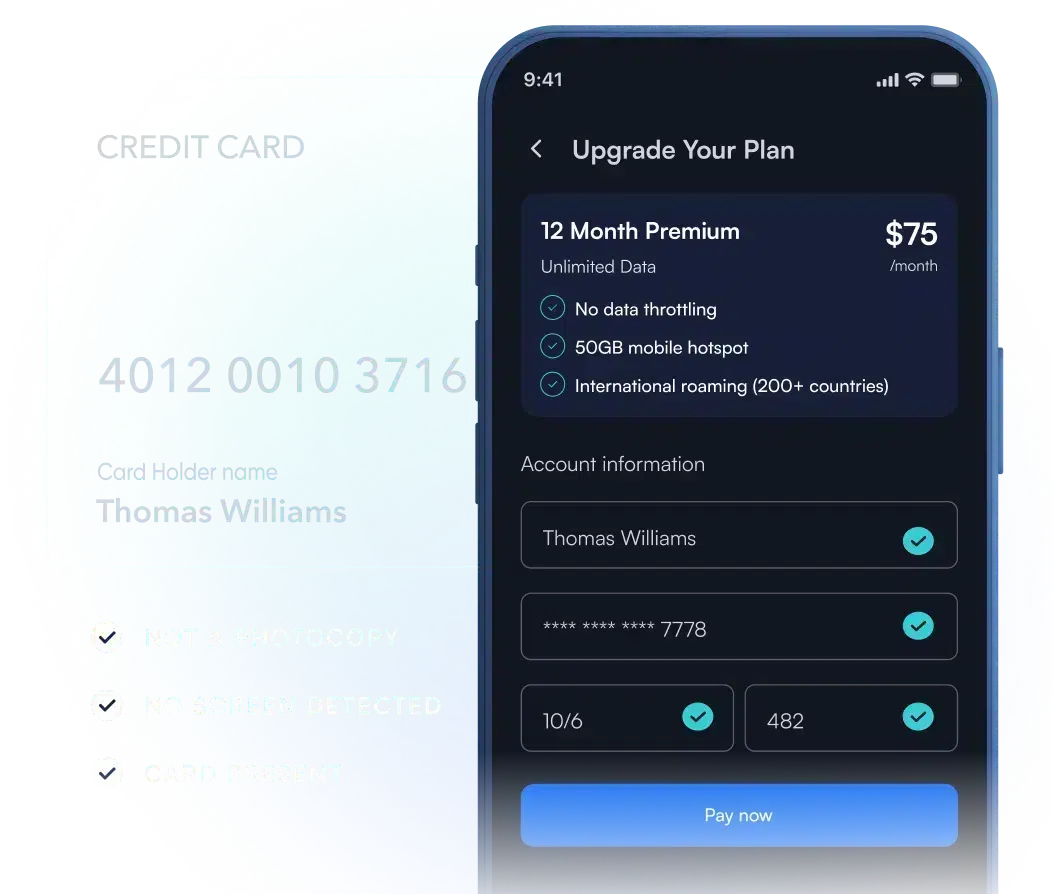
Fraudulent new account creation using stolen or synthetic identities drives device financing abuse and subscription fraud.
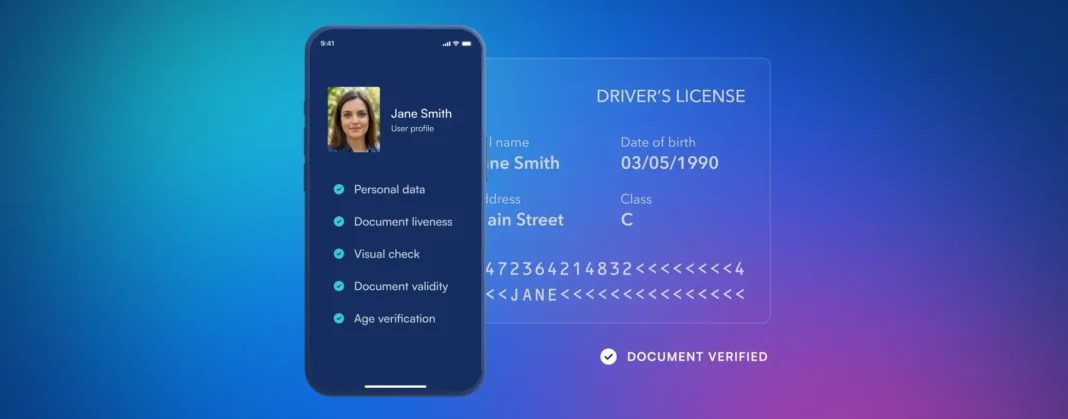
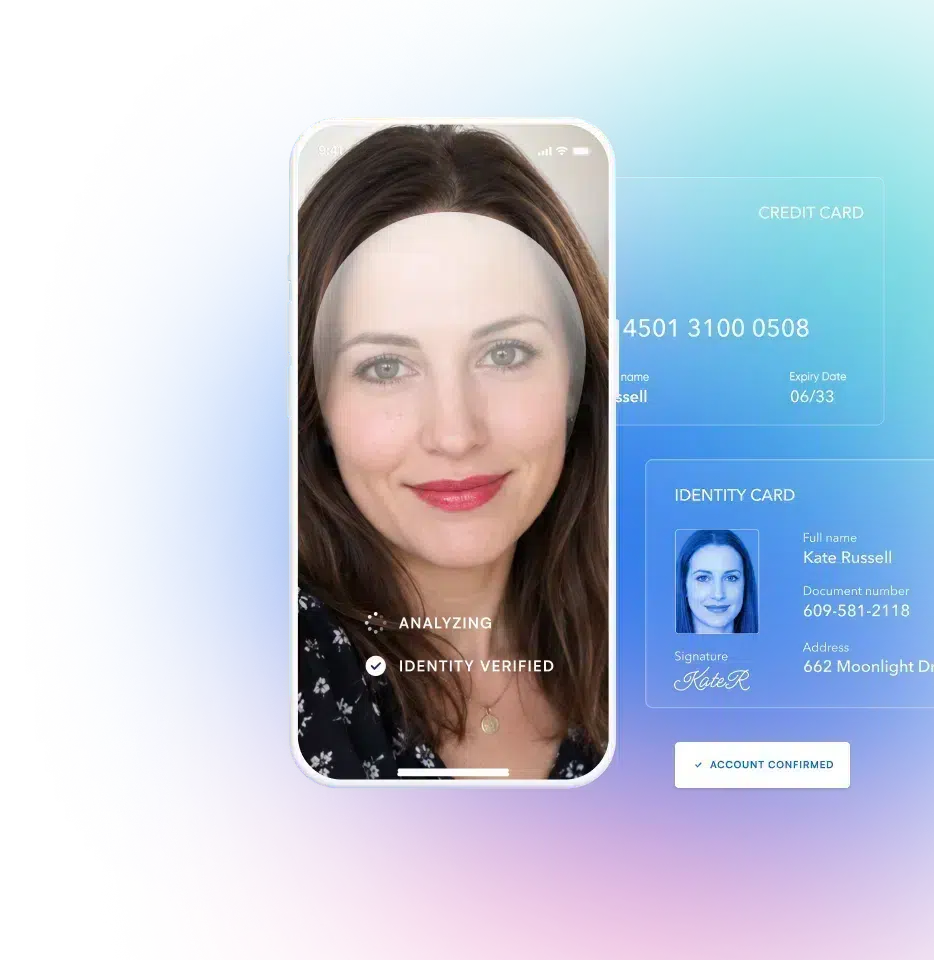
Microblink's adaptive ID capture speeds the onboarding process — eliminating manual data entry at retail POS locations and digital channels alike — while document verification and biometric matching confirm the real person behind every new activation.
Legitimate subscribers get through fast; fraudulent applications are caught at the point of entry.
SIM swap fraud exploits weak account recovery flows.
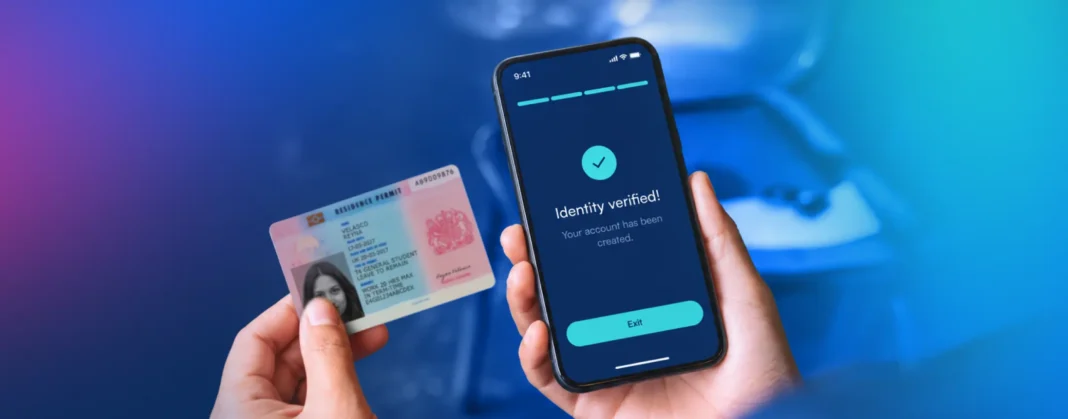
When a subscriber claims to have lost access to their number or device, Microblink adds a strong identity confirmation step — requiring the real account holder to present a verified ID and pass a biometric match before the transfer proceeds.
Fraudsters with social engineering scripts and basic personal data can't pass a live biometric check.
Sensitive account changes — additional line activations, plan upgrades that include device financing, international roaming enablement, and account transfer requests — all carry elevated fraud risk.
Microblink triggers step-up verification at these moments, confirming the real subscriber is making the change.
This closes the window between a compromised password and a completed fraudulent transaction.
Premium service abuse, unauthorized international calls, and billing fraud typically require account access that was established through earlier identity failures.
When Microblink's identity layer is in place across onboarding and account changes, the downstream billing fraud surface shrinks significantly.
For telecoms offering embedded financial services or device financing, the identity record created at activation becomes the foundation for managing ongoing account risk.
Fraudulent new account creation using stolen or synthetic identities drives device financing abuse and subscription fraud.
Microblink's adaptive ID capture speeds the onboarding process — eliminating manual data entry at retail POS locations and digital channels alike — while document verification and biometric matching confirm the real person behind every new activation.
Legitimate subscribers get through fast; fraudulent applications are caught at the point of entry.
The Microblink Difference
Why Microblink
Microblink helps telecom operators verify the real subscriber behind every activation, SIM swap, and account change so they can stop fraud without slowing customer service.
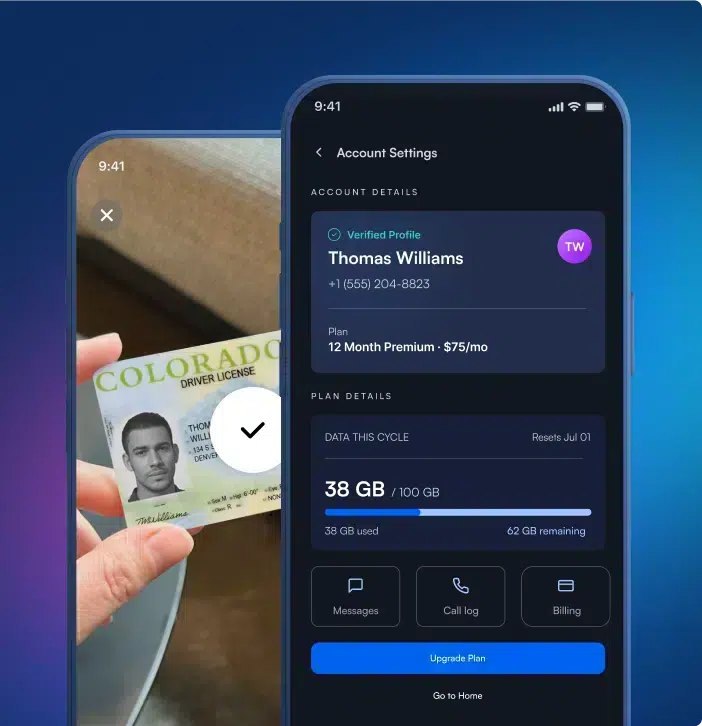
Most telecom fraud controls treat every account change as equally high-risk — or not risky at all. Microblink takes a risk-based approach, applying stronger verification checks at the moments of actual exposure: SIM swap requests, new line activations, device financing applications, and account recovery flows. Routine account interactions move without interruption; high-risk events trigger the right check at the right moment.
In March 2026, Microblink became the only identity verification vendor to meet all performance thresholds in the U.S. Department of Homeland Security's RIVR evaluation — the most rigorous independent IDV benchmark available. 0.00% System Error Rate. 3.15% Document False Reject Rate. 0.88% Document False Accept Rate. Every other participating vendor failed at least one threshold. For telecoms running high-volume identity verification at retail locations and digital channels, that accuracy difference reduces both fraud and false declines on legitimate subscribers.
Telecom customers activate at retail stores, online, and via mobile apps — often in the same market. Microblink works across all three channels, eliminating manual data entry at retail POS locations with sub-3-second ID capture and 40% higher document capture success. The same identity record, the same thresholds, and the same verification quality apply whether the subscriber is activating in a store or on their phone.
Telecoms handling subscriber identity data across multiple jurisdictions face data residency and privacy requirements that affect how verification can be processed and stored. Microblink supports on-device processing and regional cloud endpoints — meaning sensitive identity data can stay within required geographic boundaries without sacrificing verification quality or speed.
Telecoms and MVNOs serving internationally mobile subscriber bases need to verify identity documents from every country their customers arrive from. Microblink supports 2,500+ ID document types across 195+ countries and territories, with coverage for the full range of national IDs, passports, and residence permits that international subscribers present.
SIM swap fraud succeeds when carriers process transfer requests without verifying the real account holder. Adding a Microblink identity confirmation step to SIM swap and port-out flows requires the subscriber to present a live biometric match to the ID on record.
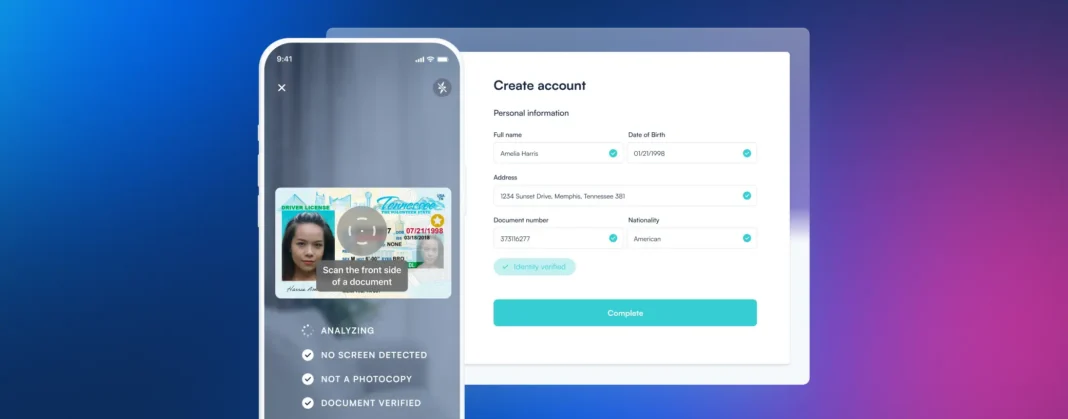
Microblink’s adaptive ID capture eliminates manual entry, extracting subscriber data from a government ID in under three seconds, populating the activation form accurately, and producing a verification record that satisfies regulatory requirements. Staff spend less time typing; subscribers spend less time waiting.
Microblink verifies the real person behind every new line activation and device financing application, combining document verification with biometric matching to block synthetic and stolen identity fraud before the device leaves the store.
Telecom subscribers whose mobile numbers are used as authentication factors for banking, healthcare, or corporate accounts face elevated risk when their carrier’s account security is weak. Microblink helps telecoms offer a stronger identity layer for high-value account events.
Fraud teams need to close SIM swap and account takeover gaps without alienating the subscribers who need account access most. Operations teams need retail and digital activation flows that are fast and accurate. Compliance teams need verification records that satisfy regulatory requirements across jurisdictions. Microblink serves all three by building identity into every high-risk moment of the subscriber lifecycle.
Testimonials
We looked at multiple vendors before we chose to partner with Microblink.
One of our biggest requirements was to have somebody who thought about data privacy and control in the same way we did.
We wanted a partner who talked like us and shared our philosophy on technology.
— Pankaj Gogia
Applied Recognition
CEO
Microblink has transformed our registration process.
The automation and accuracy of BlinkID and Verify have reduced registration times, improved customer satisfaction, and given our agents more confidence in compliance.
It’s a game-changer for how we onboard new customers.
— Jay Pandey
Tune Talk (Malaysian telecom operator)
Chief Technology Officer
We looked at multiple vendors before we chose to partner with Microblink.
One of our biggest requirements was to have somebody who thought about data privacy and control in the same way we did.
We wanted a partner who talked like us and shared our philosophy on technology.
— Pankaj Gogia
Applied Recognition
CEO
Microblink has transformed our registration process.
The automation and accuracy of BlinkID and Verify have reduced registration times, improved customer satisfaction, and given our agents more confidence in compliance.
It’s a game-changer for how we onboard new customers.
— Jay Pandey
Tune Talk (Malaysian telecom operator)
Chief Technology Officer
Latest
FAQ
Have another question?
Contact our team!
Microblink adds a biometric identity confirmation step to SIM swap, port-out, and account recovery requests — requiring the real subscriber to present a live match to the ID document already on file. This blocks the core SIM swap attack vector: a fraudster who has obtained personal data through social engineering but cannot produce a live biometric match to the subscriber’s face. The check fires at the account recovery event; routine subscriber interactions are unaffected.
BlinkID extracts subscriber data from government-issued IDs in under three seconds, eliminating manual form entry at retail POS activations and delivering 40% higher document capture success than traditional approaches. Retail staff scan the subscriber’s ID; the platform populates the activation form automatically with accurate data. Subscribers activate faster and with fewer errors in the identity record.
Microblink’s identity verification provides the subscriber authentication foundation that STIR/SHAKEN, CNAP, and related regulatory frameworks assume at the account level. By confirming the real person behind every new activation and high-risk account change, telecoms can demonstrate that subscriber identity records are accurate, verified, and auditable — a foundation that strengthens compliance posture across all regulatory requirements, not just the telecom-specific ones.
Microblink supports 2,500+ ID document types across 195+ countries and territories. MVNOs and international operators can verify subscribers presenting national IDs, passports, and residence permits from any market without building separate verification stacks by region. One integration, one set of calibratable thresholds, and one audit trail applies across every market.
Designed for modern digital onboarding, Microblink helps businesses prevent fraud, reduce friction, and maintain compliance without slowing down the customer experience.

We appreciate your interest in our products and will get back to you shortly.
If you want to see our demo in action and talk about your use case, feel free to book a meeting .
If you want to see our demo in action and talk about your use case, book a meeting right now.
An email has been sent to you with full booking details.
We look forward to showcasing our solutions to you soon.
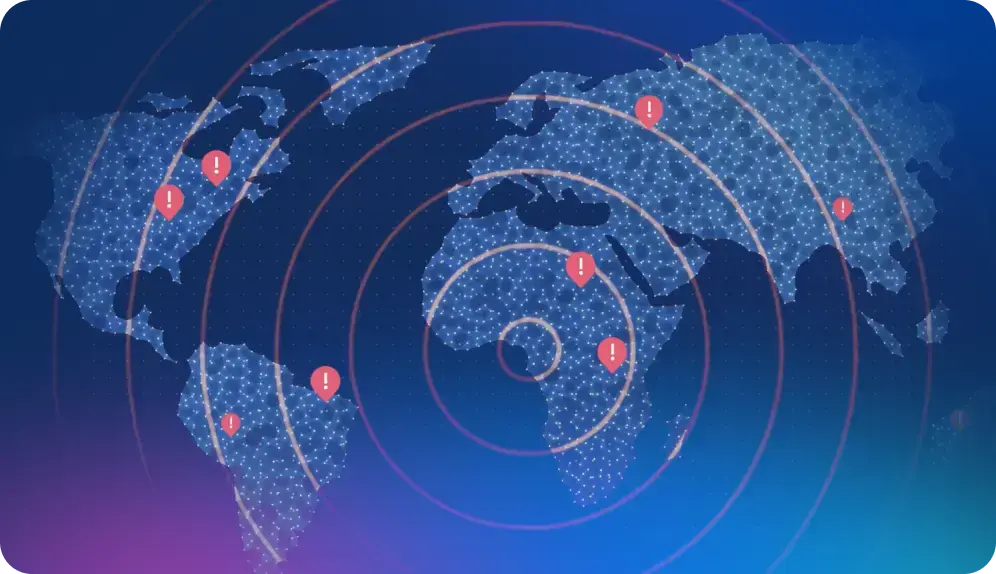
AI didn't just make fraud faster. It made it a system. We analyzed millions of identity interactions to map how identity attacks are evolving across regions, attack types, and sophistication levels — and what organizations need to rethink to keep pace.
See the Data