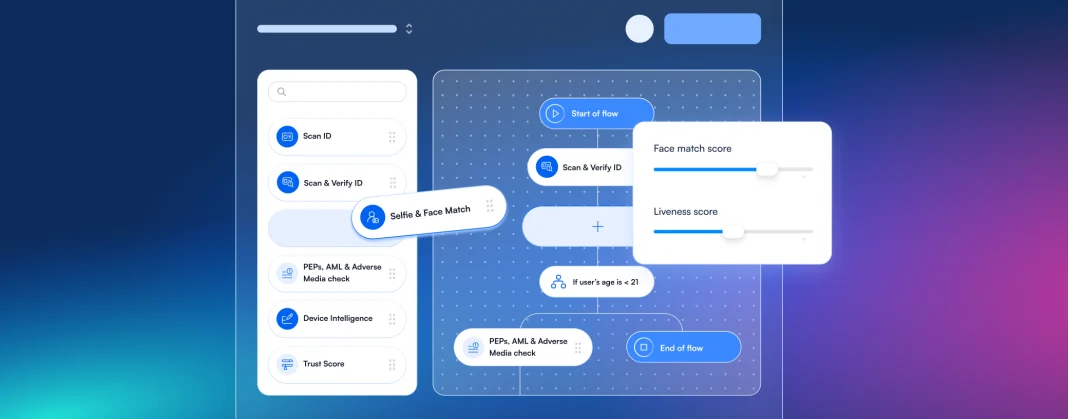
Top Guest Verification Tools in 2026: AI Solutions for Fraud and Compliance

Navigating guest verification in 2026 requires more than a basic ID check. For fraud decision-makers in hospitality, travel, and adjacent high-volume industries, the right platform has to balance fraud prevention, compliance readiness, guest experience, and operational efficiency.
Modern guest verification tools now combine document scanning, biometric liveness detection, payment verification, and workflow automation to stop high-risk bookings before they become chargebacks, compliance gaps, or security incidents. The best platforms also make it easier to defend disputes, reduce manual review workloads, and preserve a frictionless arrival experience for legitimate guests.
Below, we compare five leading guest verification tools for 2026, with a focus on what matters most to compliance officers, risk managers, heads of security, and finance leaders: identity assurance, integration flexibility, operational fit, and evidence quality.
Competitor comparison table
| Theme | Microblink | SuiteVerify | ChargeAutomation | Vouched | Enso Connect |
|---|---|---|---|---|---|
| Compliance Features | Strong KYC and AML support through global document verification, biometric matching, and evidence for chargeback disputes. | Comprehensive compliance trail with biometric ID checks, signed agreements, occupancy records, rolling deposits, and automated chargeback defense. | Covers core compliance needs with ID verification, payment matching, signed agreements, and deposit workflows. | Enterprise-grade identity proofing with real-time fraud detection and rigorous document authentication for high-risk use cases. | Flexible compliance setup with conditional vetting, multilingual agreements, and detailed chargeback reports, with deeper screening available via partners. |
| Industry Focus | Best suited to enterprise hospitality, fintech, and platforms needing embedded identity verification across global user bases. | Designed for professional vacation rental operators and property managers running multi-property portfolios with connected operations. | Well matched to boutique hotels and vacation rentals that want to combine guest screening with payments and upsells. | Built for enterprises, high-volume operators, and luxury or high-risk properties where fraud prevention is mission critical. | Ideal for hospitality teams seeking a unified digital guest journey across booking channels, property types, and languages. |
| AI Capabilities | Industry-leading document extraction, facial matching, and liveness detection with strong support against spoofing and deepfakes. | Solid biometric verification and workflow automation, though deep criminal background screening depends on partner integrations. | Practical AI focused on ID capture, name matching, and live photo checks rather than deeper risk intelligence. | Most security-intensive AI stack here, with advanced anti-spoofing, altered document detection, mask defense, and real-time fraud scoring. | Native AI is lighter, but the platform stands out for rule-based verification logic and partner-enabled screening layers. |
| User Experience | Can deliver a smooth white-labeled flow, but the end-user experience depends heavily on how well the host implements it. | Very seamless for operators and guests thanks to native PMS connections, automated access triggers, and reduced manual handoffs. | Guest-friendly web portal blends verification, payments, agreements, and upsells into one accessible pre-arrival flow. | Fast verification results keep the flow moving, though strict capture standards can create extra retries for some guests. | Strong guest experience through its digital Boarding Pass, Apple Wallet support, and consolidated check-in journey. |
| Developer Experience | Excellent for developers with powerful APIs and SDKs, but it requires real technical resources and customization time. | More operator-friendly than developer-first, with 150+ native PMS integrations, though full value comes from its broader ecosystem. | Generally easier to adopt than SDK-heavy tools, but limited native hardware and IoT integration may require external connections. | API-first and powerful for custom deployments, but not ideal for teams wanting a turnkey interface without integration work. | Flexible configuration and partner activation options are valuable, but setup can become complex when building conditional workflows. |
1. Microblink
Platform summary
Microblink is an AI-first identity verification provider built for organizations that need high-assurance, embedded guest verification at scale. For enterprise hospitality and travel brands, its Identity Intelligence OS adds a continuous, risk-based verification layer from booking through post-stay chargeback defense, helping security, compliance, and finance teams reduce fraud without adding friction to the guest journey.
Key benefits
- High-speed verification in real-world conditions. Microblink’s adaptive ID capture delivers sub-3-second document extraction and reports a 40% higher capture success rate than traditional methods. That matters in unpredictable arrival environments like hotel lobbies, airport kiosks, and mobile booking flows where image quality is rarely perfect.
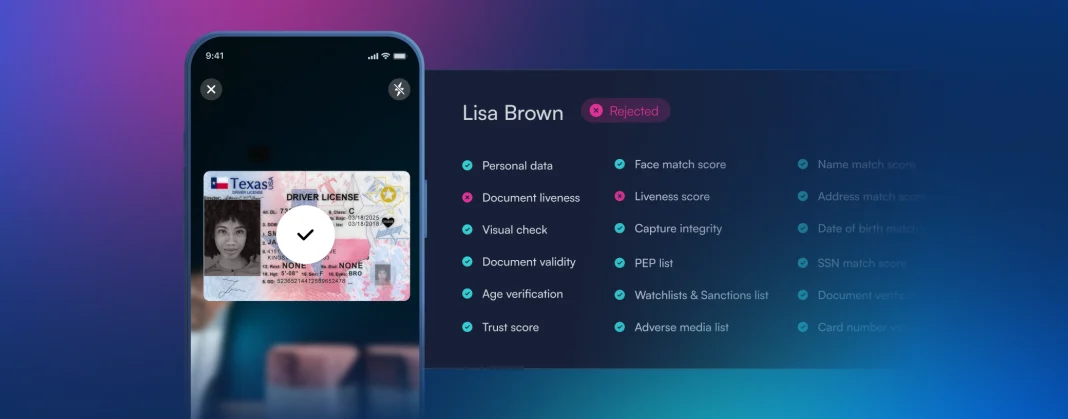
- Stronger fraud prevention across identity and payment signals. Microblink combines document verification, liveness-enabled facial biometrics, and payment card capture into a unified decisioning layer. This helps teams confirm that the guest, the ID, and the payment instrument all match before access or service is granted.
- Global coverage with one integration. The platform supports more than 2,500 ID document types across 195+ countries and territories. For international operators, that reduces fallback logic, manual exception handling, and the risk of inconsistent verification outcomes across markets.
- Better evidence for downstream disputes and investigations. Microblink creates a clear chain of verified identity data that can support fraud reviews and chargeback defense. That gives compliance, risk, and finance stakeholders stronger documentation when they need to justify decisions or contest illegitimate disputes.
Core features
- Adaptive ID Capture. The platform is designed to extract document data quickly and accurately even in lower-light, high-motion, or device-variable conditions. That improves conversion while reducing the need for manual re-entry or assisted verification.
- Cross-Modal Verification. Microblink can connect document scanning, selfie biometrics with liveness, and card capture through BlinkCard in a single workflow. For fraud decision-makers, this creates a more complete trust signal than any one verification step alone.
- Global Document Coverage. Support for thousands of document types makes Microblink particularly strong for enterprises serving international guests. One deployment can cover passports, driver’s licenses, and other government IDs across major travel corridors.
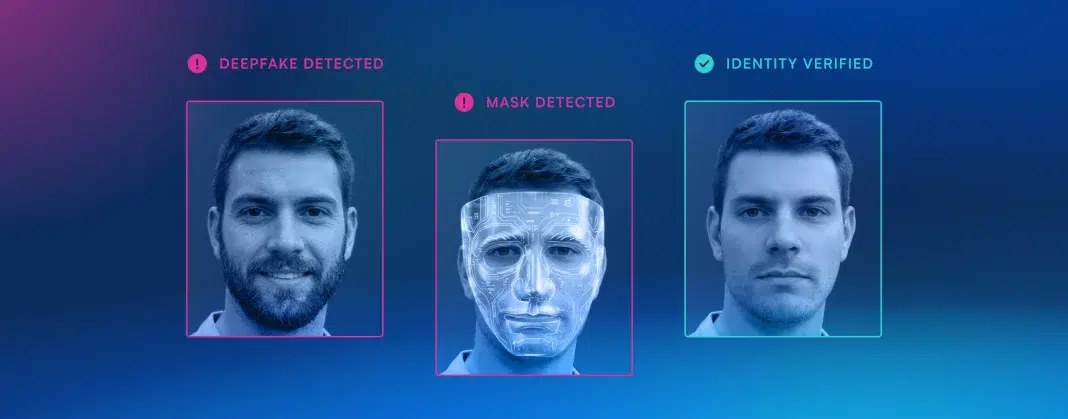
- Identity Intelligence OS. The platform uses AI and behavioral signals to detect deepfakes, synthetic IDs, and screen replays in real time. That is increasingly important as fraud rings use AI-generated artifacts to bypass basic onboarding checks.
Primary use cases
- Instant digital check-in and arrival verification. Hotels, airlines, and travel operators can scan IDs and passports without manual data entry at the front desk or gate. This reduces queue times while maintaining a high-assurance identity check before service delivery.
- Pre-booking card-not-present fraud prevention. Microblink can add passive verification to reservation flows to confirm that the user legitimately controls the payment instrument. That helps stop fake bookings and stolen-card transactions before they turn into revenue loss or operational disruption.
- Chargeback defense and dispute resolution. The platform creates a documented chain linking the guest, the presented ID, and the payment method used. That gives finance and risk teams stronger evidence to contest friendly fraud and illegitimate payment disputes.
- Loyalty account takeover protection. Microblink can trigger step-up verification during high-risk moments such as account changes or large points redemptions. This helps protect loyalty programs from account abuse while preserving the experience for legitimate customers.
Recent updates
- DHS RIVR evaluation success. In March 2026, Microblink became the only identity verification vendor to meet all performance thresholds in the U.S. Department of Homeland Security’s RIVR evaluation. Reported results included a 0.00% System Error Rate, 3.15% Document False Reject Rate, and 0.88% Document False Accept Rate.
- Product portfolio update. BlinkReceipt has been rebranded under the name Actual, while continuing to provide the same consumer-permissioned data capabilities. This reflects broader platform consolidation around Microblink’s identity and intelligence stack.
Pros and cons
- Pro: Enterprise-grade accuracy and speed. Microblink’s document AI and adaptive capture capabilities are built for fast, high-confidence verification across mobile, web, and kiosk environments. For organizations managing high volumes or premium guest experiences, that can improve both pass rates and operational efficiency.
- Pro: Exceptional global coverage and fraud depth. Support for 2,500+ document types and 195+ countries gives multinational teams a single verification layer for diverse guest populations. Its ability to detect deepfakes, synthetic IDs, and replay attacks also makes it well suited for evolving fraud threats.
- Con: Best value comes with thoughtful implementation. Microblink is strongest when embedded into a broader booking, check-in, or risk orchestration flow rather than treated as a simple standalone widget. Organizations that want fast time-to-value should ensure product, engineering, and fraud teams are aligned before rollout.
Limitations
- Implementation still requires technical ownership. Microblink offers robust SDKs, APIs, and integration flexibility, but enterprise teams still need internal resources to design the ideal journey. If your organization wants a purely out-of-the-box operator portal, a more packaged tool may feel simpler at first.
- It is focused on identity intelligence, not full property operations. Microblink does not try to replace PMS tools, housekeeping systems, or guest messaging platforms. Teams looking for an all-in-one hospitality operations suite will need to pair it with the rest of their stack.
- Pricing and fit skew toward serious fraud and compliance needs. Its strongest advantages show up in high-volume, high-risk, or globally distributed environments where identity assurance directly affects revenue and compliance outcomes. Smaller operators with limited fraud exposure may not need that level of sophistication.
2. SuiteVerify
Platform summary
SuiteVerify is a guest screening and operations platform designed for professional vacation rental operators and hospitality teams managing larger property portfolios. Its main appeal is operational connectivity: it ties guest verification to PMS workflows, smart lock triggers, security deposits, and chargeback evidence so teams can automate more of the pre-arrival process.
Core features
- Native PMS integration. SuiteVerify connects with more than 150 property management systems to sync verification results across the operating stack. That allows a successful identity check to trigger downstream actions like access provisioning or housekeeping workflows.
- Automated security deposits. The platform uses recurring Stripe authorization refreshes to keep security deposits valid for longer stays. This reduces the risk that holds expire before checkout and leaves operators financially exposed.
- Automated chargeback defense. SuiteVerify compiles biometric match results, signed agreements, IP logs, and other reservation evidence into a structured dispute package. For finance teams, that can reduce manual evidence gathering and speed up response times.
Primary use cases
- Unified property operations. Teams use SuiteVerify when they want identity verification to connect directly to access control and operational workflows. This is especially useful for multi-property operators that need standardized, low-touch pre-arrival processes.
- Extended-stay protection. For longer reservations, the rolling deposit functionality helps maintain financial coverage beyond the initial booking window. That makes the platform particularly relevant for mid-term rentals or high-damage-risk properties.
- Compliance documentation. Operators in tightly regulated markets can use the platform to maintain a digital paper trail of verified guest identities and occupancy records. This can make audits and inspector requests easier to handle.
Recent updates
SuiteVerify recently expanded its integration ecosystem to support more than 150 PMS platforms and improved its automated chargeback defense tooling. Those updates further strengthen its value for operators trying to unify guest screening, operational automation, and dispute readiness.
Pros and cons
- Pro: Strong operational automation. SuiteVerify goes beyond identity checks by feeding successful verifications into door access and back-office workflows. That can reduce manual handoffs and lower the risk of staff errors during check-in.
- Pro: Good financial controls for hospitality operators. Its combination of rolling deposits and automated dispute evidence directly supports revenue protection. For finance and risk teams, that makes the platform more than a security layer; it becomes a margin-protection tool.
- Con: Value is highest inside its broader ecosystem. Organizations that only want standalone identity verification may not realize the full benefit of the product. The strongest ROI appears when the surrounding operations stack is already aligned with its integrations and workflows.
Limitations
- Ecosystem dependency can affect flexibility. SuiteVerify is most effective when used alongside the broader SuiteOp environment and connected operational tools. If your long-term strategy prioritizes modular vendor independence, that dependence may be a consideration.
- It may be too heavyweight for small portfolios. The platform is designed for professional operators with enough volume to justify automation across systems. Smaller teams may find the setup and feature set more expansive than their actual risk profile requires.
- Deep background screening may require partners. While biometric ID verification is handled natively, more specialized criminal background checks depend on third-party services. Organizations with advanced screening requirements should verify exactly which checks are native versus partner-enabled.
3. ChargeAutomation
Platform summary
ChargeAutomation combines guest verification, payment collection, and upsell workflows in a single pre-arrival experience. It is best suited to boutique hotels and vacation rental operators that want a practical, guest-friendly tool for securing funds, collecting agreements, and reducing fraud before arrival.
Core features
- Integrated payment collection. ChargeAutomation combines ID verification with balance collection and security deposit handling in one workflow. This helps operators lock down both identity and payment readiness before a guest arrives.
- Personalized upsell portal. The check-in flow can double as a guest-facing digital guidebook with offers for upgrades and add-ons. That creates a revenue opportunity inside a process that is usually treated as pure compliance overhead.
- Biometric name matching. The platform compares reservation data with the name extracted from the government ID and collects a live photo. This creates a basic but useful control against mismatched identities and stolen-card bookings.
Primary use cases
- Contactless check-in. Operators use ChargeAutomation to collect agreements, deposits, and identity data before arrival. This reduces front-desk or host intervention while keeping the experience simple for guests.
- Ancillary revenue generation. Teams can present upgrades and additional services inside the same flow used for verification and payment collection. That can improve overall booking profitability without adding another customer touchpoint.
- Fraud prevention for online reservations. Name matching between reservation, ID, and live capture helps flag suspicious bookings. While not as deep as enterprise identity proofing, it provides a practical line of defense for everyday fraud scenarios.
Recent updates
ChargeAutomation recently improved its digital guest guidebook interface to increase conversion on personalized upsell offers. The update also strengthened mobile responsiveness, which is important since most guests complete pre-arrival tasks on their phones.
Pros and cons
- Pro: Clear ROI beyond fraud prevention. ChargeAutomation can help generate revenue through upsells while also securing deposits and identity data. For finance leaders, that makes the business case easier than a tool positioned only as a cost center.
- Pro: Accessible adoption path. The platform is easier to deploy than API-heavy identity infrastructure and is approachable for operators without deep engineering support. That lowers the barrier to professionalizing pre-arrival compliance workflows.
- Con: It is not a full operational automation layer. ChargeAutomation is strongest in payments, agreements, and guest-facing pre-arrival flows rather than end-to-end property orchestration. Teams needing native smart lock or IoT automation may need to fill gaps elsewhere.
Limitations
- Native hardware integration is limited. Unlike more operations-centric platforms, ChargeAutomation does not natively manage smart locks or connected property devices. That can create extra integration work if your workflows depend heavily on access automation.
- Screening depth is relatively basic. The platform focuses on core identity and payment matching rather than deep risk intelligence or advanced background screening. High-risk environments may need a second layer for stronger fraud detection.
- The experience is web-based rather than app-led. Its mobile-friendly portal is convenient, but some operators prefer a dedicated native app for premium concierge-style experiences. That is more of a brand and guest experience consideration than a pure compliance issue.
4. Vouched
Platform summary
Vouched is an enterprise-grade identity verification engine built for high-risk, high-volume use cases where security depth matters more than turnkey simplicity. Its strengths are advanced anti-spoofing, real-time fraud detection, and rigorous document authentication, making it a strong option for enterprises protecting high-value inventory or sensitive digital journeys.
Core features
- Advanced anti-spoofing technology. Vouched is designed to detect manipulated documents, screen replays, high-resolution playback attacks, and physical masks. That makes it relevant for organizations facing more sophisticated attack patterns than basic selfie checks can stop.
- Real-time fraud detection. The platform evaluates biometric and document signals as the verification happens rather than after the fact. This helps teams stop risky users before a reservation is finalized or an account is granted access.
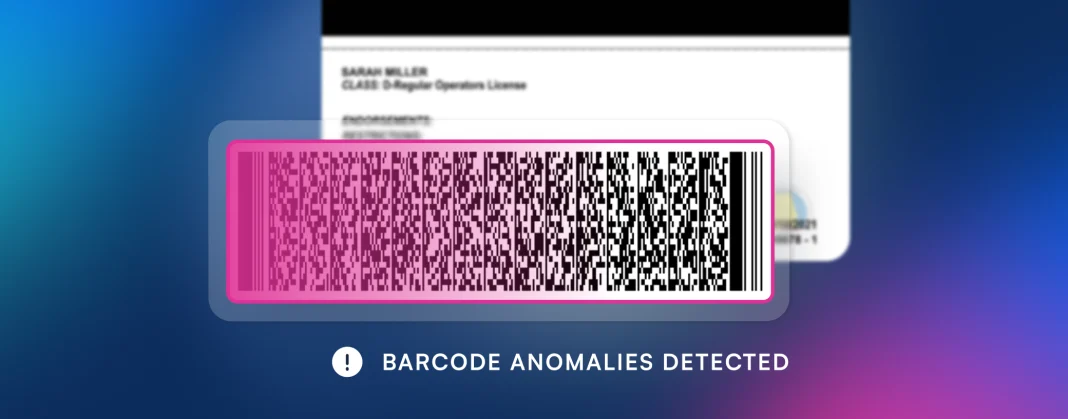
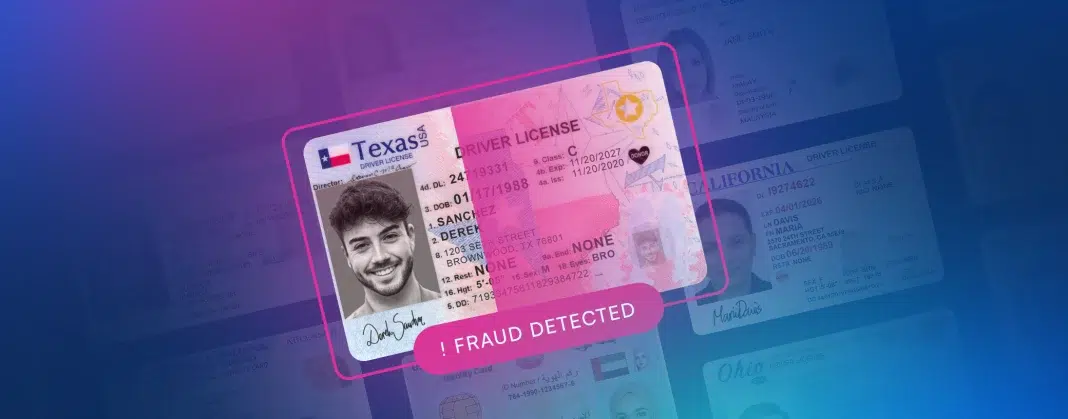
- Comprehensive document authentication. Vouched checks for data consistency, document security features, and authenticity indicators across supported IDs. This gives compliance teams stronger confidence that a document is not merely readable, but legitimate.
Primary use cases
- High-risk property protection. Luxury properties and premium inventory operators can use Vouched to apply stricter identity proofing before arrival. This is useful when the cost of a bad approval is materially higher than the cost of a little extra friction.
- Scalable compliance operations. Large teams can use real-time automation to handle verification volume without matching it with headcount growth. That is valuable for enterprises trying to scale securely while keeping review queues manageable.
- Identity theft prevention. Vouched’s deeper authentication helps catch stolen credentials and synthetic identity attempts. That protects both the operator and the legitimate consumer tied to the compromised identity.
Recent updates
Vouched recently enhanced its AI to improve detection of deepfakes and digitally altered images during liveness checks. These improvements are aimed at combating the rise of AI-enabled identity fraud in high-stakes environments.
Pros and cons
- Pro: Deep security controls. Vouched is one of the strongest options in this group for advanced spoofing resistance and high-assurance identity proofing. That makes it appealing for risk teams with low tolerance for sophisticated fraud.
- Pro: Fast decisions despite heavy analysis. The platform is built to return results in real time rather than pushing more traffic into manual review. This helps maintain conversion while still applying stringent fraud controls.
- Con: Strong controls can create more user friction. Because the system is tuned to detect subtle attack signals, legitimate users may need to retry in poor lighting or low-quality capture conditions. Organizations should balance its security depth against their tolerance for onboarding friction.
Limitations
- The platform is geared toward enterprise buyers. Vouched’s capabilities and commercial model are better aligned with high-volume or high-risk organizations than smaller operators. Teams with simpler requirements may find it more robust than they need.
- False rejections can increase if capture quality is poor. Strict anti-spoofing parameters are valuable, but they can also create friction when users submit damaged IDs or low-quality selfies. That means implementation should include clear UX guidance and fallback logic.
- It is primarily an API-led verification engine. Vouched is not positioned as a complete hospitality operations platform. Organizations without technical integration support may prefer a more packaged deployment model.
5. Enso Connect
Platform summary
Enso Connect is a guest experience platform that layers flexible verification rules into a broader digital journey. It is a strong fit for hospitality teams that want conditional workflows, multilingual agreements, and a single guest-facing experience spanning verification, communication, and access.
Core features
- Customizable vetting conditions. Enso Connect lets teams create conditional rules based on channel, property type, or guest profile. This allows operators to apply more friction where risk is high and reduce it where trust is already established.
- Embedded verification partners. The platform includes basic native verification and allows teams to activate deeper screening partners when needed. That modular model can help organizations tailor cost and control levels to different booking types.
- Comprehensive chargeback reports. Enso Connect can compile evidence such as IP addresses, device types, signed agreements, and smart lock history. That gives finance and operations teams a stronger package when disputes arise.
Primary use cases
- Tailored guest journeys. Teams use Enso Connect to build different onboarding paths for direct bookings, OTA traffic, repeat guests, or high-risk reservations. This supports a more risk-based operating model than one-size-fits-all verification.
- Post-approval access control. Its digital Boarding Pass can be used to revoke or withhold access if risk signals change before arrival. That provides a useful fail-safe when new information appears late in the guest journey.
- Multilingual compliance workflows. The platform supports digital agreements in 200+ languages. For internationally oriented teams, that helps reduce ambiguity and improve consistency in guest-facing compliance documents.
Recent updates
Enso Connect recently expanded its Boarding Pass functionality to include Apple Wallet integration. That makes the guest-facing experience more streamlined and helps consolidate access details into a familiar mobile format.
Pros and cons
- Pro: Highly flexible risk orchestration. Enso Connect stands out for allowing teams to build different verification rules for different booking contexts. That can help fraud and compliance leaders reduce unnecessary friction while still tightening controls where exposure is highest.
- Pro: Strong guest experience design. By combining verification, agreements, guidebooks, and access into one flow, the platform reduces fragmentation for travelers. That can improve completion rates and reduce support requests during pre-arrival.
- Con: Flexibility comes with setup complexity. The more conditional logic a team builds, the more planning is required to avoid conflicting rules or edge-case failures. Organizations without a clear workflow strategy may underuse the platform’s strengths.
Limitations
- Advanced screening depends on partners. Enso Connect’s native verification is lighter than more specialized identity proofing tools. Teams needing stronger biometric assurance or deeper fraud intelligence may need to add third-party services and cost.
- Configuration can become complex quickly. Conditional workflows are powerful, but they require process discipline and careful mapping. That can lengthen implementation time compared with simpler, more opinionated tools.
- Some features are tier-dependent. Advanced reporting and integrations may be limited to higher subscription levels. Buyers should validate which controls are included in the plan they are actually considering.
Which guest verification tool is right for you in 2026?
The right choice depends on how you prioritize fraud depth, operational automation, and deployment model.
- Choose Microblink if you need enterprise-grade, embedded identity verification with global document coverage, deepfake resistance, and strong evidence for downstream fraud and chargeback defense.
- Choose SuiteVerify if your top priority is tying guest verification directly into PMS, access, and deposit workflows across a larger hospitality portfolio.
- Choose ChargeAutomation if you want a practical pre-arrival workflow that combines verification, payment collection, and upsell revenue in one place.
- Choose Vouched if your environment is high-risk and you need stronger anti-spoofing and document authentication than lighter-weight tools provide.
- Choose Enso Connect if your team wants flexible, conditional guest journeys that blend compliance controls with a polished digital arrival experience.
For most enterprise fraud decision-makers, the biggest differentiator is not whether a platform can scan an ID. It is whether the tool can turn identity, biometric, and payment signals into a consistent risk decision that reduces fraud, supports compliance, and preserves conversion at scale.
FAQs
What is automated guest verification software?
Automated guest verification software uses AI, biometric matching, and document scanning to confirm a guest’s identity before check-in or service access. It helps reduce manual review, prevent fraud, improve chargeback defensibility, and maintain stronger compliance records.
How does biometric liveness detection work?
Biometric liveness detection prompts a user to capture a live selfie and then analyzes whether the person is physically present rather than a photo, replay, or deepfake. The system compares that live capture to the portrait on the ID document to confirm the user is the legitimate document holder.
Can guest verification tools help win chargeback disputes?
Yes. Many platforms compile evidence such as ID data, biometric match results, IP address, timestamps, signed agreements, and device details to support dispute responses. For finance and risk teams, that documentation can materially improve outcomes in friendly fraud and unauthorized transaction cases.
What is Guest Verification?
Guest verification is the automated process of authenticating the identity of individuals booking accommodations, rentals, or services to ensure they are exactly who they claim to be. Top guest verification tools leverage advanced technologies like biometric facial recognition, government-issued ID document scanning, and real-time background checks to seamlessly screen users. By integrating these solutions directly into the digital booking flow, property managers and hospitality businesses can confidently confirm guest identities without adding unnecessary friction to the customer experience.
Why is it Important?
Implementing robust guest verification is critical for mitigating financial fraud, preventing property damage, and ensuring the physical safety of your staff and local communities. In an era where digital booking fraud, identity theft, and unauthorized credit card chargebacks are on the rise, relying on manual identity checks is no longer sufficient. Furthermore, automated verification helps businesses maintain strict compliance with global Know Your Customer (KYC) and Anti-Money Laundering (AML) regulations, ultimately protecting your brand’s reputation and bottom line from costly legal liabilities.
How to Choose the Best Software Provider
Selecting the right guest verification software requires a strategic methodology focused on accuracy, integration capabilities, and user experience. When evaluating providers, prioritize platforms that offer comprehensive global ID coverage and utilize AI-driven liveness detection to thwart sophisticated spoofing attempts. Additionally, the best tools should seamlessly integrate with your existing Property Management Systems (PMS) via robust APIs, ensuring a frictionless onboarding journey for the legitimate guest while providing your risk team with a secure, centralized dashboard for compliance monitoring.
What should fraud decision-makers prioritize when comparing guest verification tools?
Fraud decision-makers should look beyond whether a platform can simply scan an ID. The most important evaluation criteria are usually identity assurance, fraud detection depth, evidence quality, global coverage, workflow flexibility, and integration fit.
For identity assurance, look for tools that combine document authentication, biometric face matching, and liveness detection rather than relying on one signal alone. For fraud prevention, assess whether the platform can detect spoofing attempts, altered documents, synthetic identities, screen replays, or mismatches between the guest, ID, and payment method. For compliance and dispute management, verify that the system creates a defensible audit trail with timestamps, device data, match results, signed agreements, and other evidence that can be used in investigations or chargeback responses.
Operational fit also matters. Some tools are best for API-led enterprise deployments, while others are stronger for PMS-connected hospitality workflows or guest-facing pre-arrival automation. Teams should also evaluate international document support, fallback and manual review options, reporting quality, and how easily verification results can trigger downstream decisions such as access approval, payment collection, or step-up review.
In practice, the best platform is the one that fits your risk model and operating environment, not just the one with the longest feature list.
How do guest verification tools reduce fraud without hurting conversion?
The strongest guest verification platforms reduce fraud by applying more intelligence, not just more friction. Instead of forcing every guest through the same heavy process, modern tools use risk-based logic to tailor the verification flow based on booking channel, geography, reservation value, device signals, prior guest history, or payment risk.
For lower-risk bookings, that may mean a fast document scan and passive checks in the background. For higher-risk scenarios, the platform can trigger stronger controls such as selfie liveness, cardholder matching, additional document review, or manual escalation. This helps operators stop suspicious reservations without making every legitimate traveler go through an unnecessarily burdensome process.
User experience is also a major factor in conversion. Platforms with better image capture, clearer prompts, stronger mobile performance, and support for imperfect lighting or camera conditions typically produce higher completion rates. For fraud decision-makers, that means the most effective system is often the one that pairs strong anti-spoofing with a well-designed guest journey. A tool that catches fraud but causes excessive abandonment, support tickets, or front-desk intervention may create as much business pain as it prevents.
Which integrations matter most for enterprise guest verification deployments?
For enterprise and mid-market operators, integration quality often determines whether a guest verification platform becomes a strategic control or just another disconnected point solution. The most important integrations usually include property management systems, booking engines, payment processors, CRM or loyalty systems, access control tools, case management platforms, and internal fraud or compliance workflows.
PMS and reservation integrations are critical because they allow verification to happen in the context of the booking rather than as a separate manual task. Payment integrations help connect identity checks to cardholder verification and chargeback defense. Access control integrations allow successful verification to trigger digital check-in, smart lock activation, or boarding pass issuance only after approval. CRM and loyalty integrations can support step-up verification when account changes or high-value redemptions occur.
For larger organizations, API and webhook support are especially important. They let fraud, security, and engineering teams orchestrate decisions across multiple systems, apply custom business rules, and ensure that verification outcomes feed investigations, reporting, and downstream controls. A platform may perform well in isolation, but if it cannot integrate cleanly into the booking, payment, and access stack, its operational value will be limited.
Can guest verification tools support KYC, AML, and hospitality compliance requirements?
They can support those requirements, but they should not automatically be treated as a complete compliance program on their own. Guest verification tools are most useful as an enabling layer that helps organizations collect, validate, and document identity information in a more consistent and defensible way.
For KYC-related needs, platforms can verify government IDs, match a user’s live selfie to the document, and maintain records showing who was verified, when, and by what method. For AML or higher-risk screening environments, some tools also support enhanced checks through watchlist screening, risk scoring, or partner integrations, though those capabilities vary significantly by vendor. In hospitality, guest verification can also help with occupancy recordkeeping, age-restricted access, fraud prevention, and local registration or audit requirements.
The key point for compliance officers and internal auditors is that technology should be mapped to policy. Teams should confirm what is handled natively, what depends on partners, what evidence is stored, how long records are retained, and whether the process aligns with their legal, privacy, and regulatory obligations across jurisdictions. A strong verification platform can materially improve compliance readiness, but governance, review procedures, and data handling controls still need to come from the organization.
How important is global ID coverage for hospitality and travel operators?
Global ID coverage is extremely important for operators serving international guests, cross-border travelers, or multiple property types across regions. A platform with limited document support can create unnecessary manual reviews, inconsistent approval rates, and avoidable guest friction, especially when travelers are asked to submit passports, driver’s licenses, or national IDs from many different countries.
Broad document coverage helps ensure that the same verification process works across major guest segments without requiring country-by-country workarounds. It also improves operational consistency for fraud, compliance, and support teams because fewer bookings fall into exception handling queues. For enterprise buyers, this matters not only for conversion but also for risk control. Inconsistent verification standards across markets can lead to blind spots that fraudsters exploit.
Fraud decision-makers should evaluate not just how many documents a vendor supports, but how well it performs across real-world capture conditions, mobile devices, language differences, and edge cases such as glare, wear, low light, or partial image quality. Strong global coverage becomes even more valuable when paired with biometric matching and payment verification, since that gives teams a more complete view of whether the guest, the ID, and the transaction all align.