
Online Gambling Fraud: How It Works & How to Stop It


In 2018, the Supreme Court changed the game by opening the doors wide for online gambling across the United States. This sparked a new, exhilarating era of digital betting. Since then, the industry has only surged, significantly boosting the economy. According to US Census data, gambling tax revenue soared to over $500M in just the third quarter of 2023 alone, with New York taking the lead by contributing nearly $190M of that total. This influx of cash has been a windfall, but it’s not without its shadows.
As online gambling skyrockets, so do the risks of fraud, a concern highlighted by a Wall Street Journal report. Despite its growth, the US finds itself playing catch-up with European efforts to curb gambling fraud. It’s crucial for gambling platforms and their financial allies to tackle this challenge head-on, ensuring the digital betting landscape is not only exciting but also safe and fair for all.
The Landscape of Online Gambling Fraud
Contemporary gambling fraud is more than just online casino fraud; it spans areas such as online betting platforms and monetized esports and video games. Here are some of the most common types of fraud and how to detect them.
Bonus Abuse & Multi-Accounting
Fraudsters use bots, fake accounts, or even real user credentials to exploit welcome bonuses, free spins, and referral perks. Some may spin up dozens of accounts to abuse promotions or launder funds.
How to Prevent Bonus Abuse:
- Device fingerprinting: Spot when multiple accounts are created from the same browser, IP, or device configuration.
- Behavioral analysis: Monitor suspicious user patterns (e.g., repeated logins with minimal gameplay or high withdrawal activity).
- Geolocation tracking: Detect account manipulation across jurisdictions or via VPNs.
Using these techniques in tandem helps flag bonus fraud before it becomes a cost center.
Payment Fraud and Chargebacks
Fraud prevention in online gambling must include real-time transaction monitoring to detect stolen card use, friendly fraud, and “hit-and-run” players who deposit and cash out without actual gameplay.
Tools for Detecting Payment Fraud:
- Velocity checks (multiple deposits in short succession)
- Card BIN/IP mismatches
- Chargeback analytics (to identify repeat offenders)
- Geographic anomalies
Pairing this with identity document verification can help operators determine whether a transaction is linked to a real player or a fraud ring.
Identity Verification & Synthetic Identity Fraud
As synthetic identity fraud grows, verifying user identity during sign-up is crucial. Operators need to determine whether submitted IDs are real — or well-crafted deepfakes or forgeries.
Questions to Consider:
- How do I know if an ID is real?
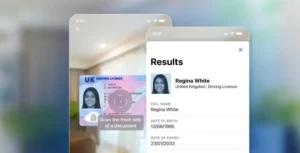
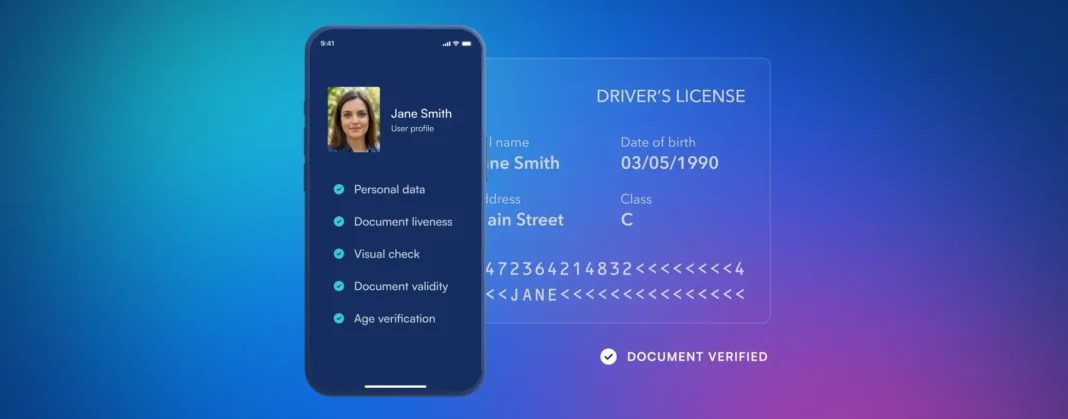
Use digital document verification backed by AI. This ensures the ID has authentic security features (like holograms or font types) and matches the user’s selfie in real time. - Why are players abandoning the sign-up process?
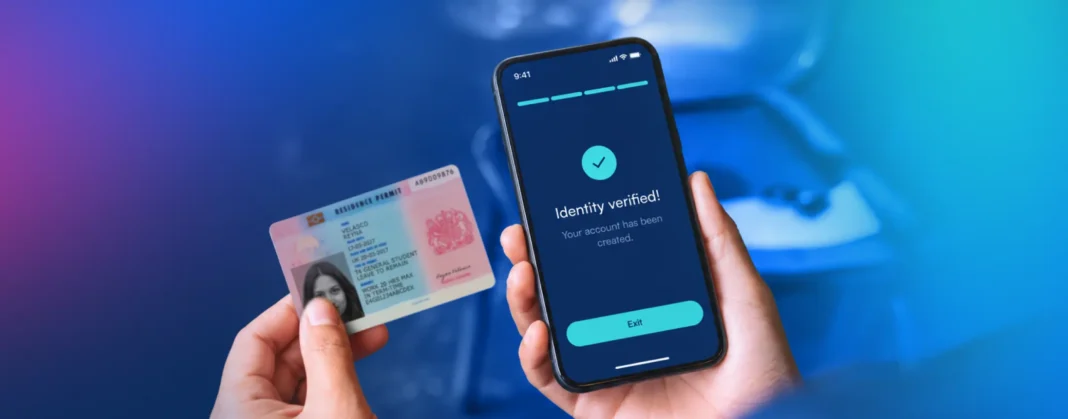
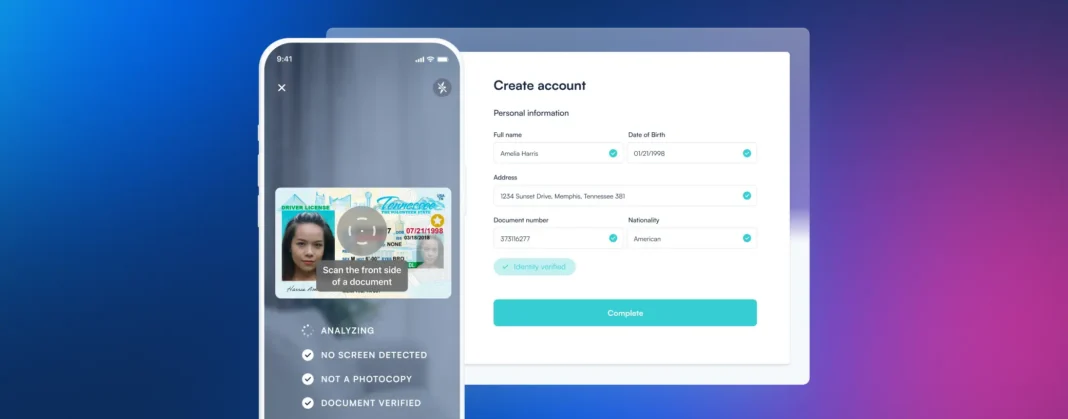
Long or buggy ID checks often cause churn. Use mobile-first flows with fast document scanning and passive liveness checks to reduce drop-off. - What’s the best way to detect synthetic identities?
Look for red flags like unmatched selfie and document photos, non-existent address records, or reused document templates.
Leverage biometric matching and data cross-checks with global watchlists and sanctions lists to strengthen AML compliance. made with that account.
Advanced Technologies and Tools in Fraud Prevention
There are many ways fraudsters can disguise the use of credit card fraud or identity theft in gambling. They can carefully plan out attacks, stretching smaller spurts of illegitimate activity over longer durations or keeping the overall scale to a minimum.
These possibilities highlight the importance of artificial intelligence (AI) and machine learning (ML) in fraud detection and prevention.
AI and ML tools can process information faster and more accurately than human observers. Platforms can use these tools to scan ID documents and process them efficiently. Once collected, ML tools can compare documents and behaviors across a user’s history, referencing threat intelligence from across the global industry to verify identity more acutely.
KYC Compliance and Regulatory Expectations
Operators in regulated markets are also required to perform robust KYC (Know Your Customer) checks, monitor for suspicious activity, and maintain audit trails.
What That Means for You:
- Verify user identity before deposit or withdrawal
- Screen against AML and sanctions lists
- Log verification events for audits and compliance reviews
- Store data securely under GDPR or local data privacy laws
Fines for non-compliance can be steep — and reputational damage even worse.
How Microblink helps stop gambling fraud in its tracks
Microblink’s BlinkID enables frictionless ID capture allowing banks, financial institutions, online gambling platforms, online casinos, and other organizations to meet and exceed KYC and AML requirements, secure their platforms against fraud, and maintain optimal customer experiences.
Contact us today to discover how Microblink can help you stay one step ahead of fraud.