
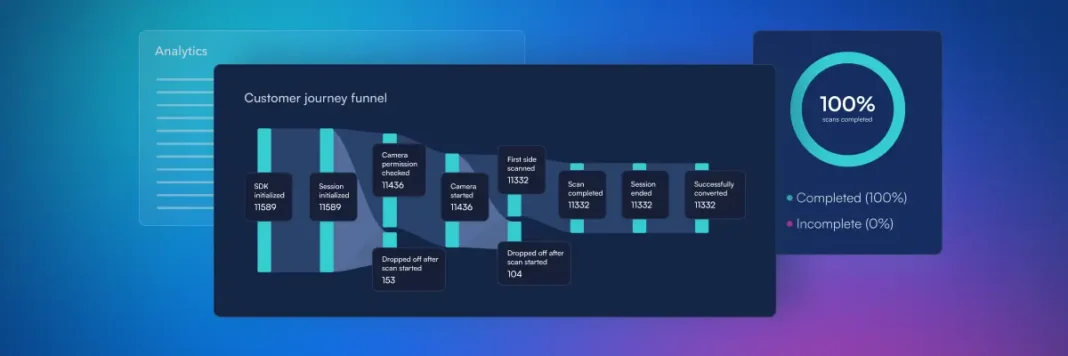
Traditionally, identity verification teams have measured success primarily through accuracy, fraud detection rates and proces...
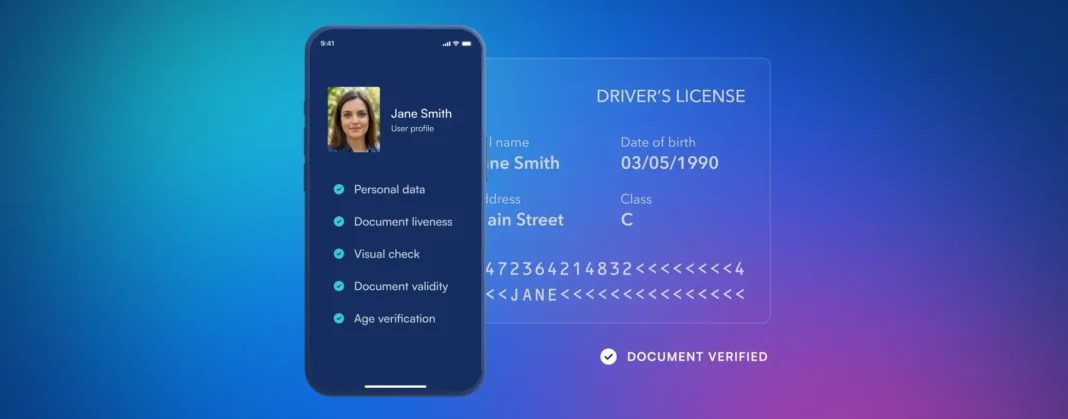
For organizations operating across multiple countries, verifying a government-issued identity document is rarely as simple as...
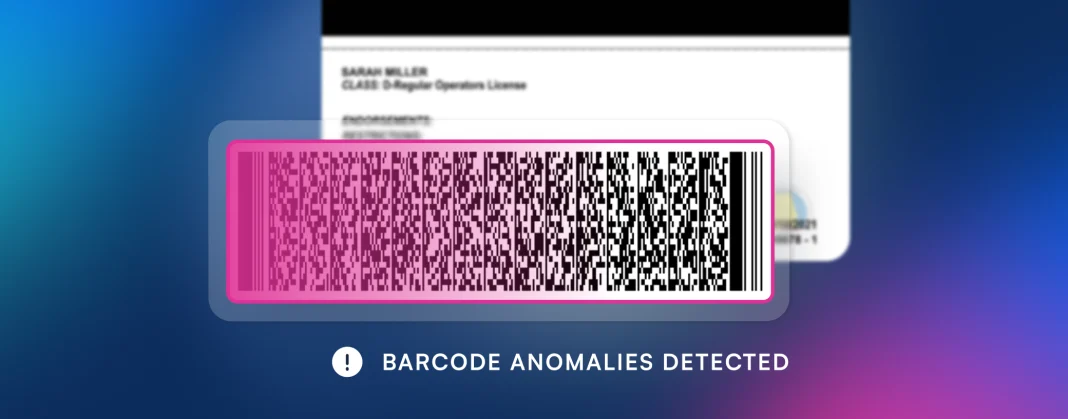
For years, document fraud has largely been a visual problem. Fraud analysts learned to look for blurry fonts, mismatched type...

Customer authentication is the process of verifying that a user is who they claim to be before granting access to an account...

Identity verification doesn’t fail because systems aren’t accurate enough. Typically, it fails because users drop off before...

Bank account verification is no longer just a compliance checkbox. For product teams, it represents one of the most sensitive...

Deepfakes have moved from internet novelty to operational threat. What started as manipulated videos has evolved into highly...
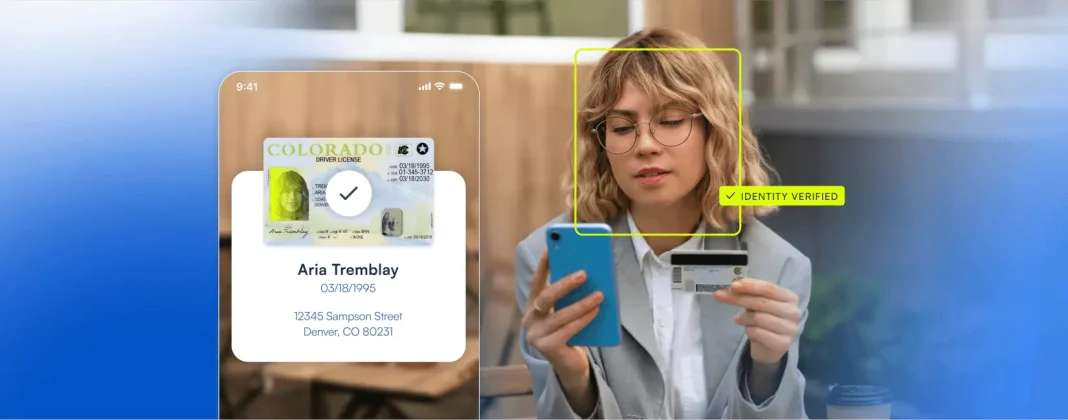
The future of travel is moving toward one simple idea: your identity is your boarding pass. Biometric boarding is transformin...

As passenger volumes increase and fraud becomes more sophisticated, traditional identity verification methods—manual document...

Hospitality fraud is no longer limited to stolen credit cards or fake bookings. Today, fraud in the hospitality industry is f...

In digital-first industries, the guest satisfaction score has become one of the most important indicators of business health...

Fraud in the hospitality industry is no longer a back-office nuisance. It is a structural risk to revenue, compliance, and gu...

For years, a convenient narrative has shaped the identity verification market: document verification is commoditized. The log...

The EU Entry Exit System (EES) represents one of the most significant changes to cross-border travel and identity verificatio...
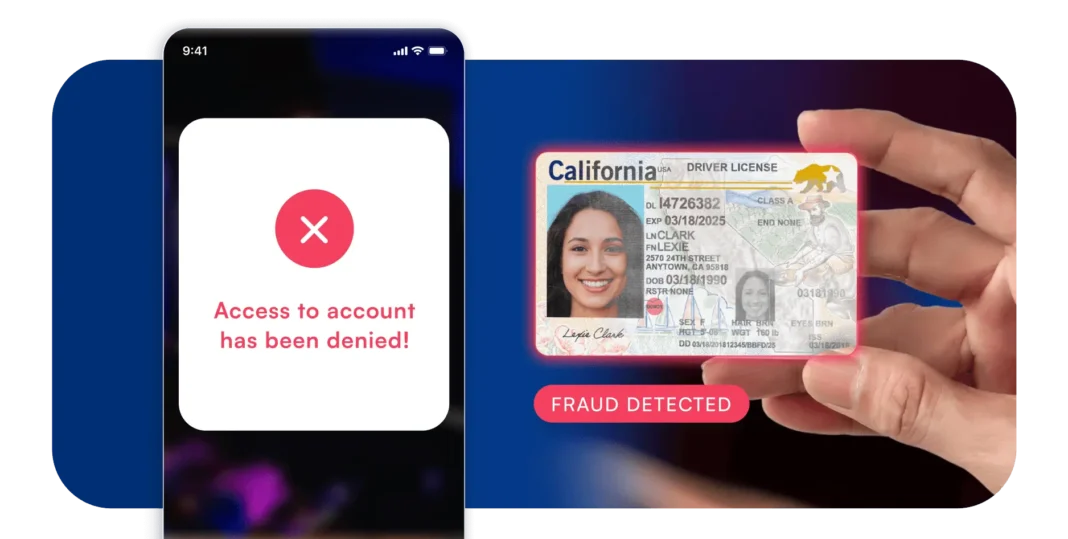
Deepfake detection has moved from an abstract security concern to a frontline risk priority. As synthetic media attacks grow...
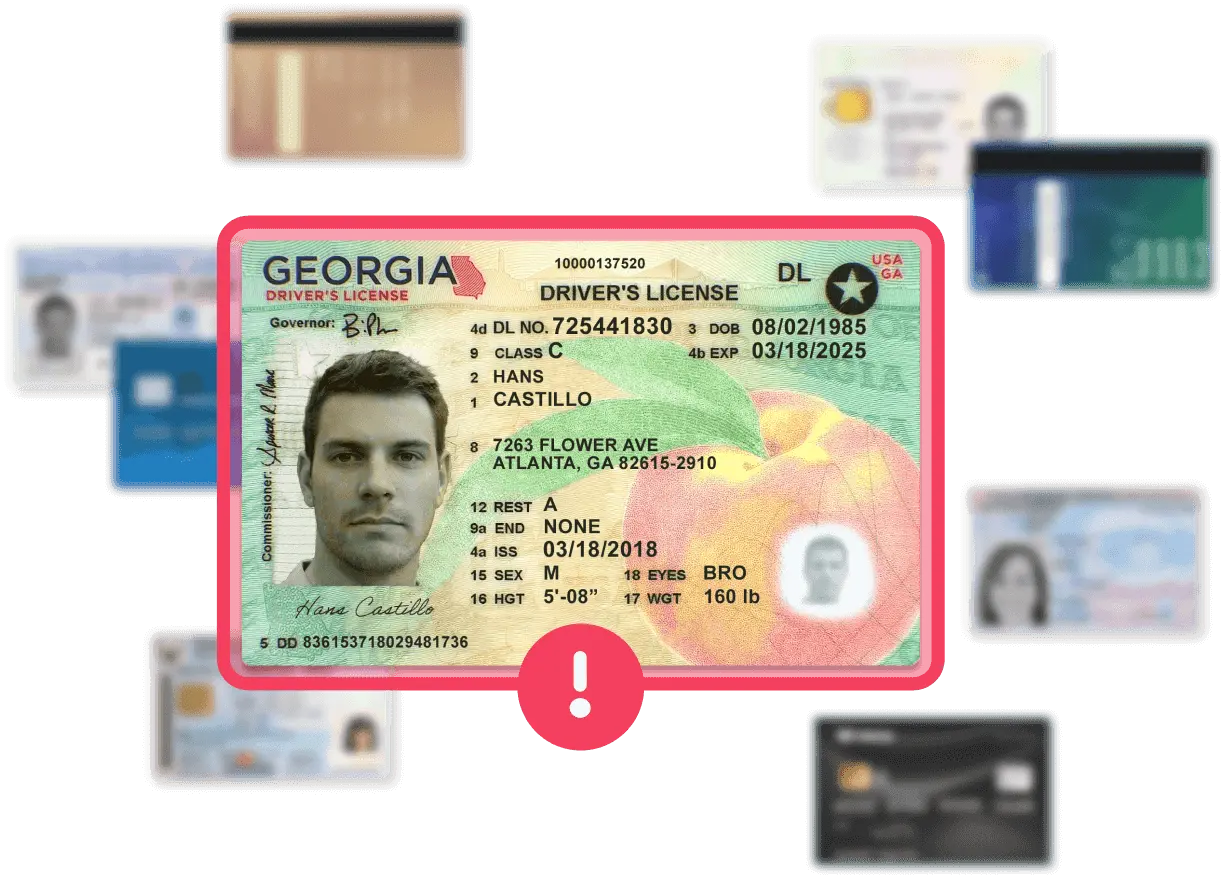
Join Microblink’s Fraud Lab as they trace the path from leaked identity data to the attacks it can enable and the defenses built to detect them.
Register to join