

Selfie verification has become a common part of digital identity verification because it answers an important question that d...

Account takeovers (ATO) remain one of the most significant forms of identity fraud in 2026.. In 2025, more than 6 million U.S...
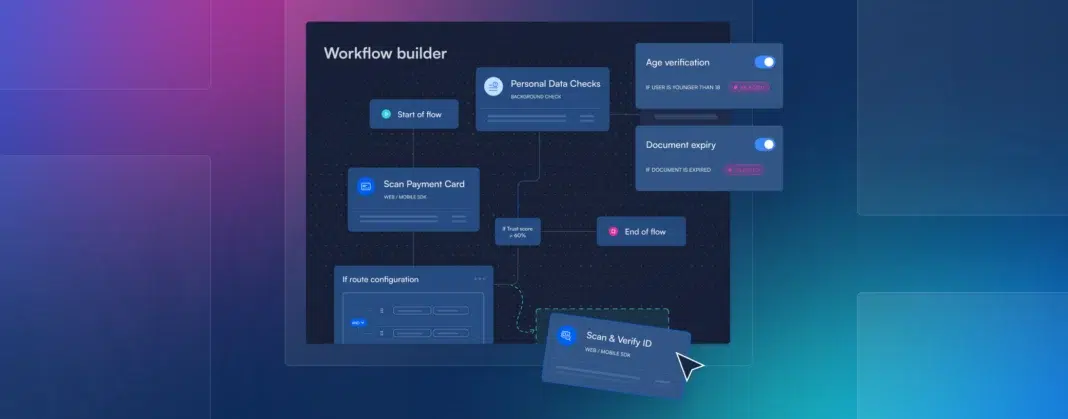
Identity verification is becoming more sophisticated, but managing that complexity shouldn’t make it harder for develop...

Fraud prevention teams face a difficult balancing act. Every organization wants to stop fraudulent transactions, but overly a...

Bank account verification is no longer just a compliance checkbox. For product teams, it represents one of the most sensitive...

Model Context Protocol (MCP) for Identity is a standardized way to manage how identity data is discovered, shared, and used a...

Agent-to-Agent (A2A) verification is the process of verifying not just individual users, but the agents, intermediaries, and...

Agentic Commerce Protocol (ACP) Compliance refers to an organization’s ability to securely support transactions initiated not...

Identity fraud doesn’t happen at a single moment anymore. It happens across sessions, across devices, across time. A user can...

Expanding into new markets used to mean localization, payments, and logistics. Today, it means something far more complex: ve...

Bank document verification used to be a checkpoint. Now it’s a battlefield. Compliance teams are under pressure from every di...

ConfirmID is an identity verification solution designed to help organizations confirm that a user is who they claim to be dur...
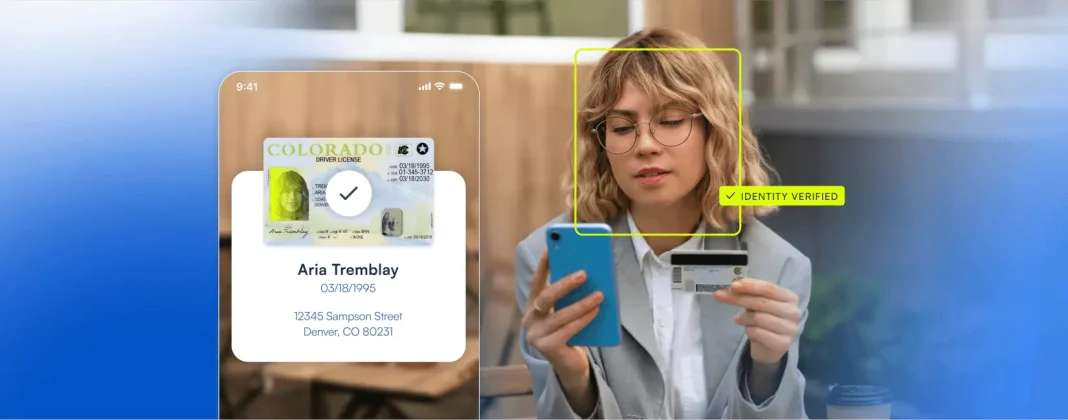
The future of travel is moving toward one simple idea: your identity is your boarding pass. Biometric boarding is transformin...

As passenger volumes increase and fraud becomes more sophisticated, traditional identity verification methods—manual document...

In digital-first industries, the guest satisfaction score has become one of the most important indicators of business health...
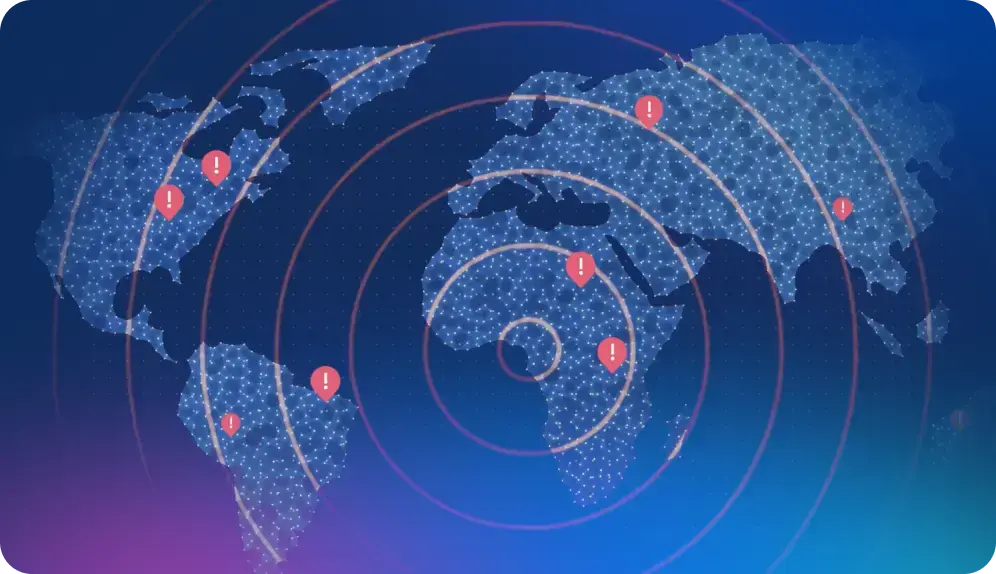
AI didn't just make fraud faster. It made it a system. We analyzed millions of identity interactions to map how identity attacks are evolving across regions, attack types, and sophistication levels — and what organizations need to rethink to keep pace.
See the Data