
Technology is always evolving, and so are we.
Learn with us.
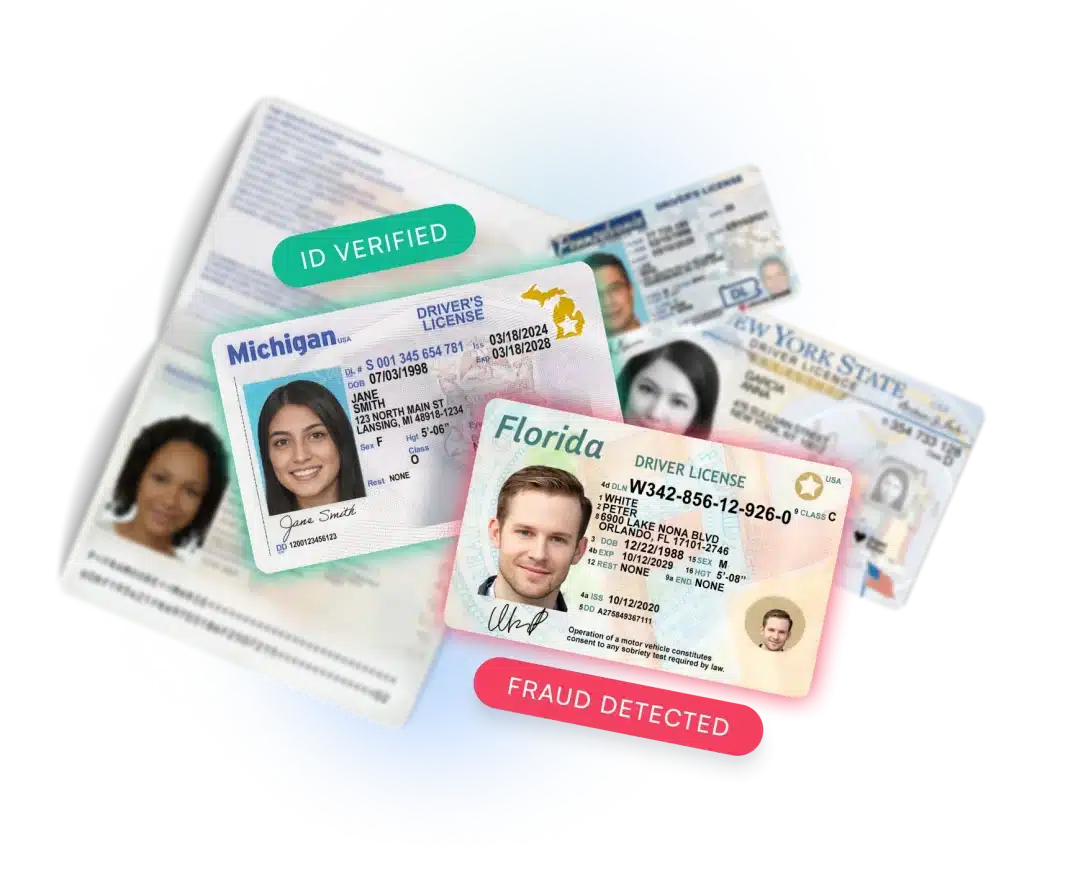
In today’s digital-first landscape, robust identity verification is no longer optional; it’s a critical component of secure o...
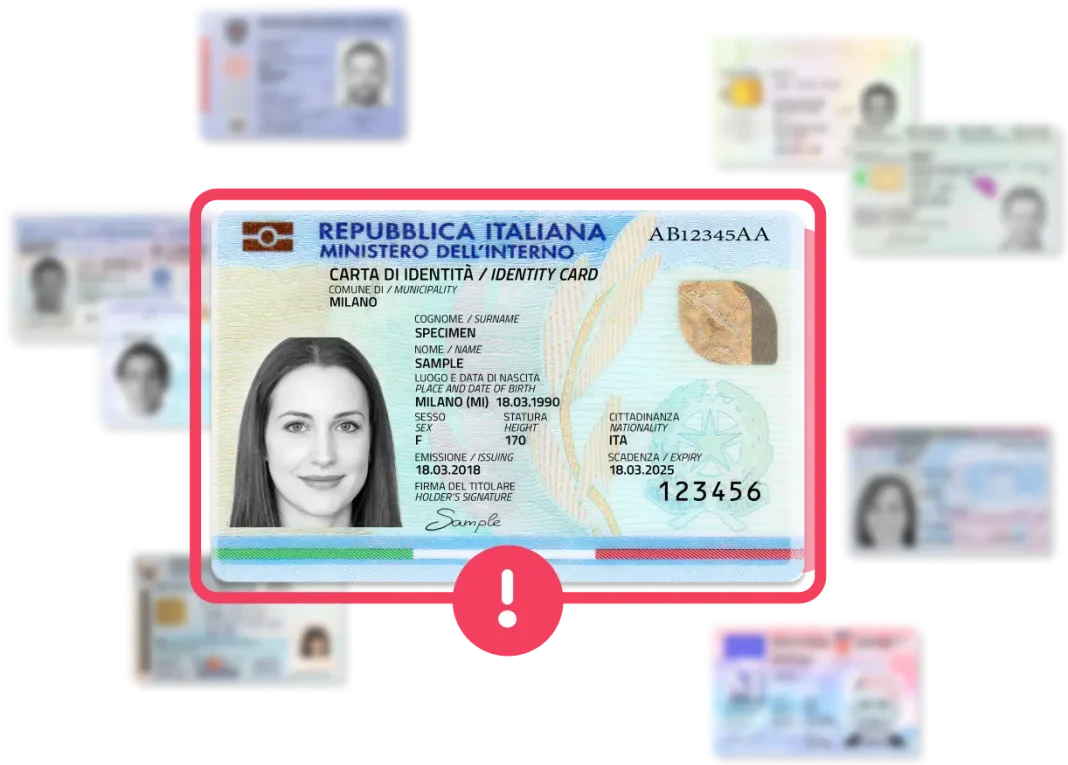
Card-not-present (CNP) fraud remains one of the most significant threats in the digital payments landscape, requiring busines...

Agentic payments represent a fundamental shift in how digital transactions are initiated, authorized, and monitored. Instead...
Agentic commerce is not just e-commerce with better autocomplete. It’s a structural shift in how transactions happen. Autonom...

Years of frontline engagement I’ve had with customers, partners, regulators, and industry peers across the identity and fraud...
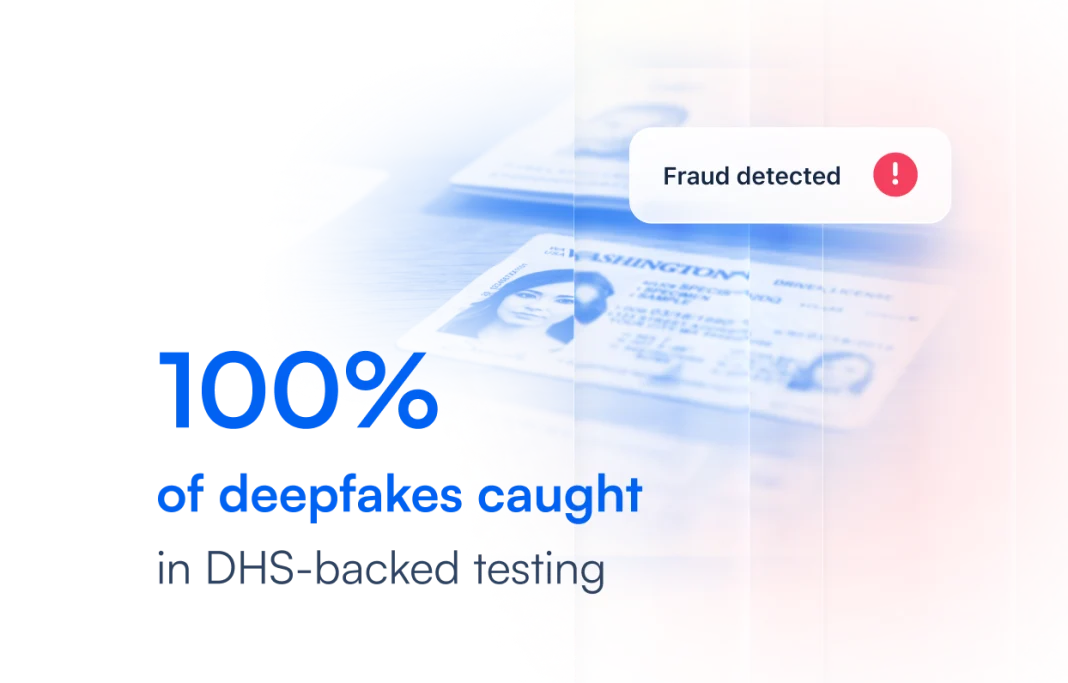
Intro In 2026, deepfakes are no longer a fringe threat. Thanks to generative AI, bad actors can now create convincing synthet...
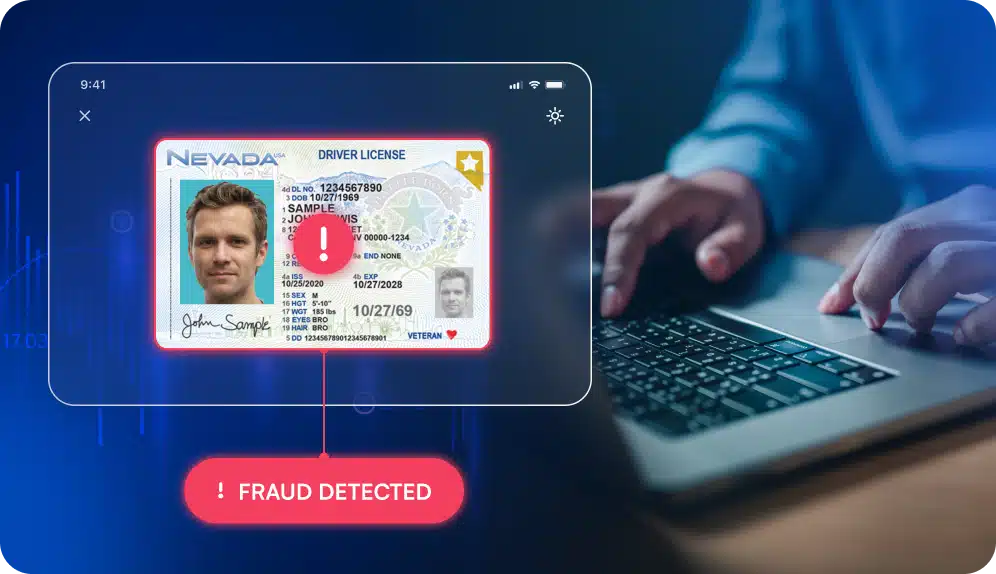
The Strategic Importance of Fraud Prevention APIs in 2026 As digital transactions and remote onboarding become the global sta...

Synthetic media attacks are no longer a theoretical risk or a future problem. They are actively being used to bypass identity...
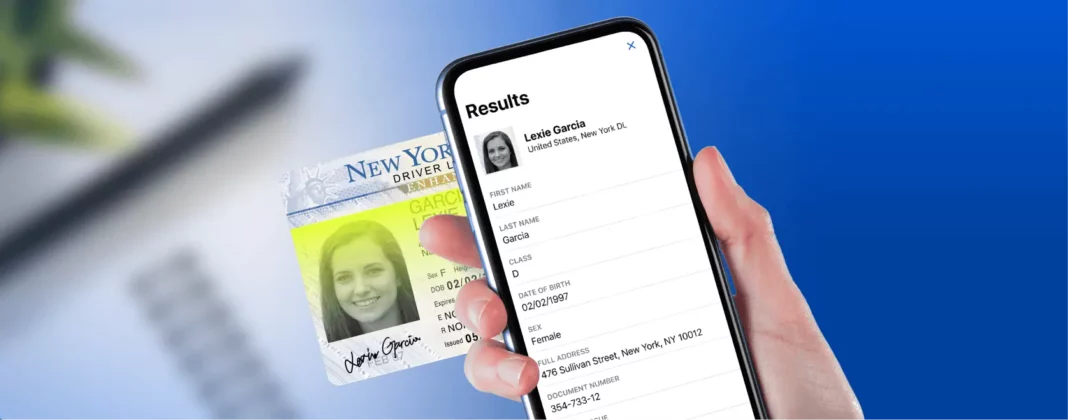
Document fraud has evolved far beyond blurry photocopies and obvious forgeries. Today’s attackers use high-quality templates...

As the year winds down, I’ve found myself reflecting on what actually moved the needle in 2025. Not just in terms of technolo...

Fraud has outgrown rules engines and manual review queues. Synthetic identities, stolen credentials, and automated attacks no...

Digital onboarding is the defining moment for users who engage with modern banking and financial products. The first interact...

As businesses scale in an increasingly digital economy, the stakes for secure and efficient transaction processing have never...
As financial technology continues to expand, the sophistication of digital fraud has grown right alongside it, making robust...

As digital products scale and fraud grows more sophisticated, user authentication APIs have become a critical layer of applic...
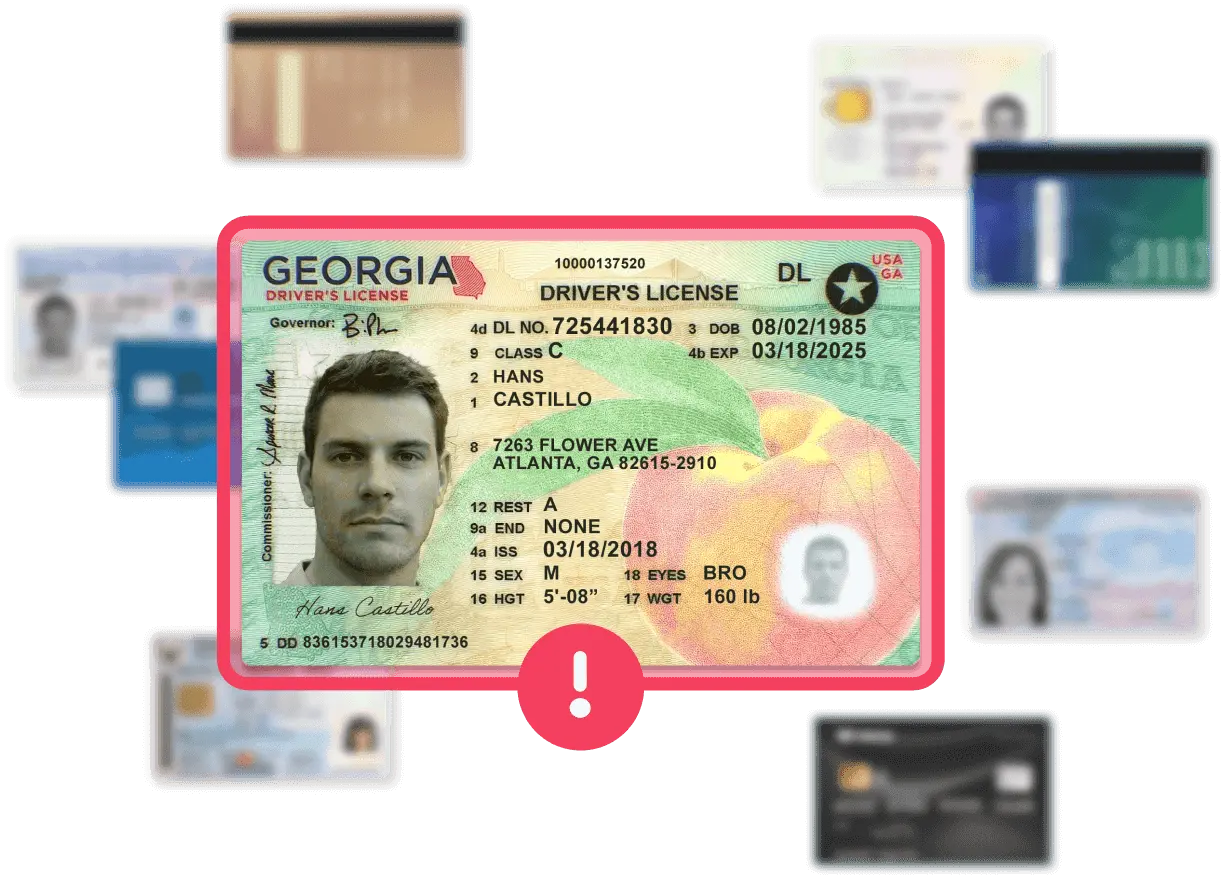
Join Microblink’s Fraud Lab as they trace the path from leaked identity data to the attacks it can enable and the defenses built to detect them.
Register to join