
Best Identity Verification Platforms for Banks in 2026: 10 Options Compared


A bank checks identity twice. First at account opening, where the Customer Identification Program rule requires it to collect and verify a name, date of birth, address and ID number. Then again whenever something risky happens on the account, like a large wire, a new device or a password reset. The right platform handles both, proves a real person is present, and leaves a record an examiner can follow.
This guide compares ten identity verification platforms that banks and credit unions use for that job: Microblink, Socure, Jumio, Entrust, LexisNexis Risk Solutions, Persona, Alloy, Trulioo, Mitek and GBG. For checks across every industry, see our guide to the best identity verification platforms.

To see how Microblink verifies new account holders and confirms customers before high-risk transfers, start with its identity verification for financial services page.
Key takeaways
- Microblink is our pick for banks that need to prove a genuine ID and a live person, with on-device processing and independent test results. It was the only system to meet every threshold in the DHS RIVR evaluation.
- Look past account opening. Wires, password resets and new devices are where account takeover happens, so the platform should re-verify customers at those moments too.
- U.S. banks usually pair a document and selfie check with an identity data check, such as Socure or LexisNexis, to cover the CIP rule’s name, date of birth, address and ID number.
| Platform | Best for | How it verifies | Starting price |
|---|---|---|---|
| Microblink | Genuine ID and live customer, plus step-up checks | ID, liveness and card scan checks | BlinkID from $210 a month |
| Socure | U.S. banks | Identity data and fraud scores | $0.80 per document check |
| Jumio | Banks with international customers | ID, selfie and ongoing monitoring | Quote |
| Entrust | Banks that also buy cards and authentication | ID, selfie and re-verification | Quote |
| LexisNexis Risk Solutions | Large U.S. banks | Identity data and device signals | Quote |
| Persona | Digital banks | ID plus government records | From $250 a month |
| Alloy | Banks using several vendors | One rule set across partners | Quote |
| Trulioo | Customers in many countries | Local data and ID checks | Quote |
| Mitek | Banks already using Mitek deposit | ID, face match and liveness | Quote |
| GBG | UK and Australian banks | ID, data and address checks | Quote |
Swipe to see more →
How we ranked these platforms
We weighed six criteria, in this order: independent proof of accuracy; defense against deepfakes, AI-generated IDs and injection attacks; evidence a bank can give examiners, such as audit trails and explainable decisions; control over where data is processed; fit with bank systems and step-up checks after onboarding; and whether pricing is published.
That order favors platforms with third-party test results, because vendors’ own accuracy claims are hard to compare. Every review lists its gaps, since most banks combine two or more of these tools.
1. Microblink

Best for: Banks and credit unions that need to prove a genuine ID and a live customer, at account opening and before high-risk transactions.
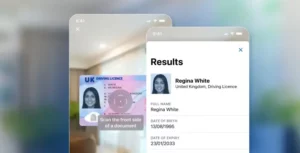
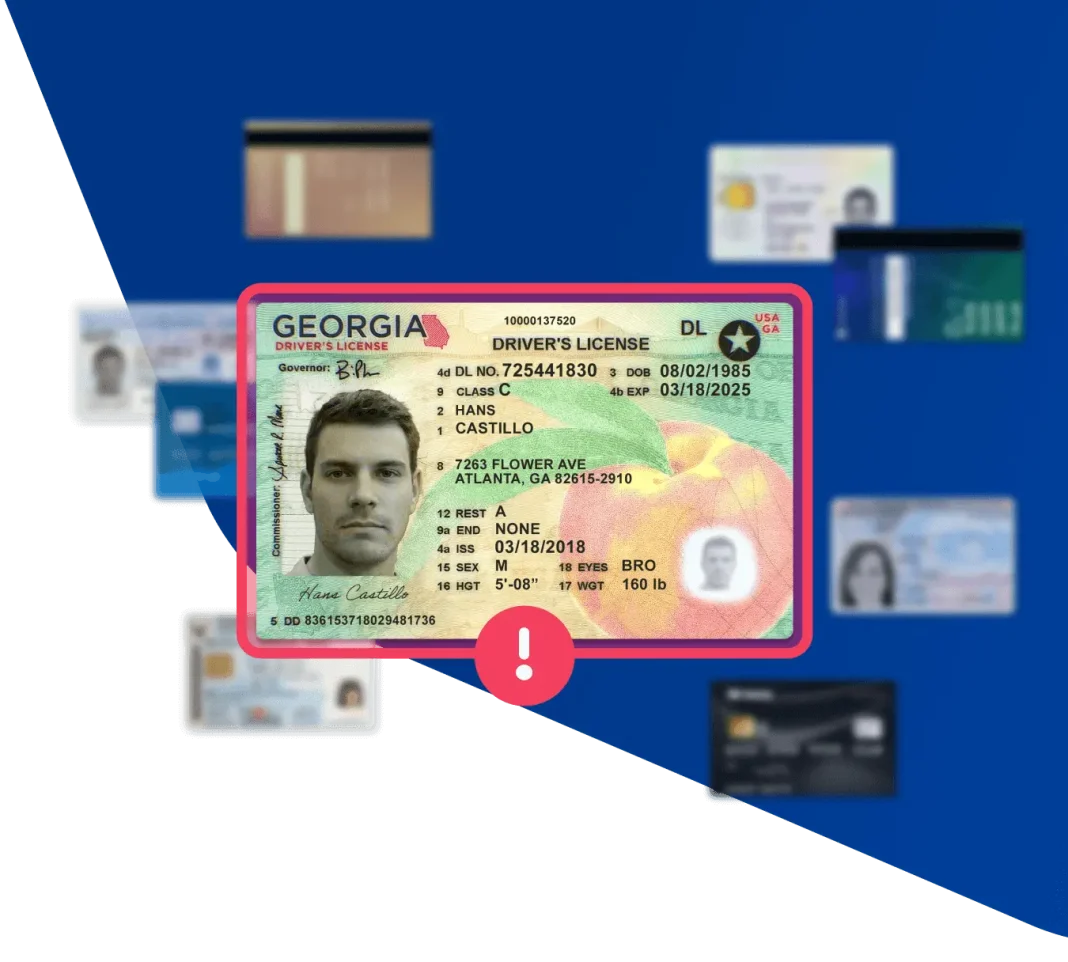
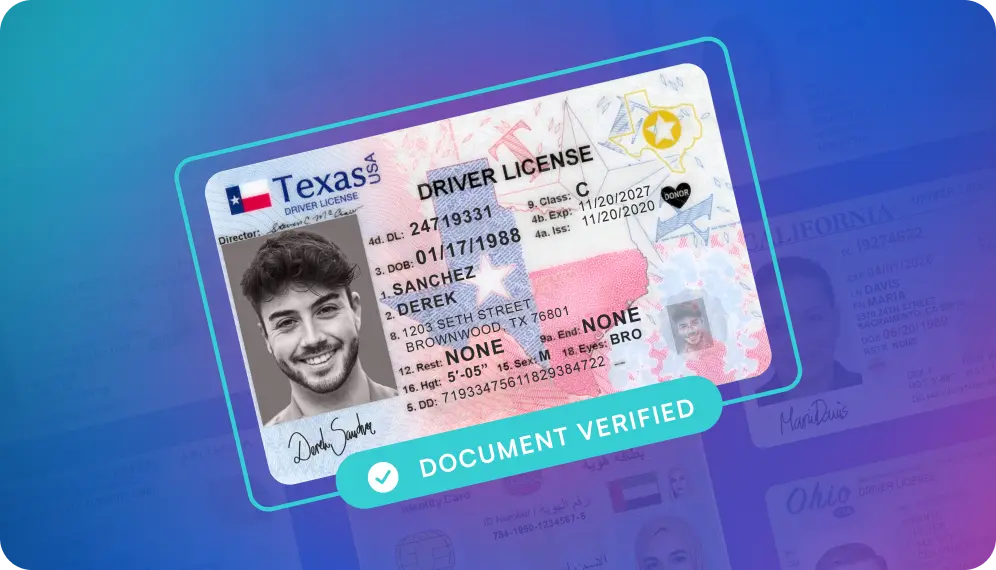
Microblink verifies identity documents and faces with AI it builds in-house. BlinkID Verify checks that an ID is genuine across 2,500+ ID types in 195+ countries and territories, catches IDs shown on a screen or photocopied, and matches the photo to a live selfie. BlinkID returns capture results in under 3 seconds, and Microblink processed 2.9 billion identities in 2025.
It ranks first because of independent proof. In the U.S. Department of Homeland Security’s Remote Identity Validation Rally (RIVR), Microblink was the only one of seven document systems to meet every threshold, with a 0.88% false accept rate and a 3.15% false reject rate (announced by Microblink in March 2026; DHS does not endorse vendors). For a bank, that means fewer fake accounts without turning away real customers.
Deepfakes are the newest threat to remote account opening, and Microblink’s deepfake detection scored 100% on the IDNet benchmark. Its Fraud Lab creates more than 100,000 fraudulent images a month to train and test its models against new attacks.
Banks also get control. Checks can run in the cloud with regional endpoints or entirely on the customer’s device, which helps when data can’t leave a country. Thresholds are adjustable and every decision is explainable, which gives compliance teams a clear record for audits and exams.
Verification doesn’t stop at onboarding. BlinkCard asks a customer to scan their physical bank card before a large transfer, a password reset or a higher transfer limit. Patent-pending card liveness confirms the card is really there, so the scan works as a possession factor in multifactor checks without hardware tokens.
What it does well
- Document, selfie and liveness checks in one flow, with deepfake and injection attack detection.
- On-device or regional cloud processing for data residency rules.
- Step-up checks with a physical card scan before wires, transfers and password resets.
Watch out for
- It doesn’t score Social Security numbers or credit files, so U.S. banks add a data check such as Socure or LexisNexis for CIP and synthetic identities.
Where it fits: digital account opening and step-up checks for retail banks, credit unions and digital banks, especially where deepfakes are getting through or data residency matters. Self-serve BlinkID plans start at $210 a month.
Deepfakes reaching account opening?
Verify the real customer at onboarding and before high-risk transfers
Microblink checks the ID, the face and liveness in one flow, and a card scan confirms the account holder before wires and password resets. It was the only system to meet every DHS RIVR threshold. Test it on your bank’s own flows.
2. Socure

Best for: U.S. banks that want identity data, fraud scores and document checks from one vendor.
Socure verifies identities against a large U.S. identity graph and scores fraud risk with its Sigma models, including separate scores for identity fraud and synthetic identities. Decisions run on its RiskOS platform, and Socure says 19 of the top 20 U.S. banks use it.
Its document check covers 6,000 document types in 190 countries, and watchlist screening draws on 25,000+ sources. In July 2026 Socure released Sigma V4.5, its first transformer-based model, and in September it raised money at a $5.2 billion valuation.
What it does well
- Identity data checks that cover the CIP’s name, date of birth, address and Social Security number.
- A self-serve Launch plan with $1,000 in free monthly credits, so smaller banks can test it.
Watch out for
- Sigma scores rely on U.S. data such as Social Security numbers, so they add little for non-U.S. customers.
- Socure describes its liveness as Level 2 but names no testing lab.
Where it fits: account opening at U.S. banks and credit unions, where a data-first check catches synthetic and stolen identities. On the Launch plan, a document check costs $0.80, and a check that adds watchlist screening costs $0.90.
3. Jumio

Best for: Banks with customers in many countries that want document checks plus ongoing risk monitoring.
Jumio is one of the longest-running identity verification providers in financial services. It says it covers more than 5,000 ID types across 200 countries and territories, and it runs data centers in the U.S., the EU and Singapore, which helps banks with data residency rules.
Its 2026 work focuses on what happens after onboarding. Jumio Watch, launched in April, can flag a customer whose risk changes months after they open an account, which supports a bank’s ongoing due diligence. Since June, Jumio accepts digital IDs from 60+ countries, and its iOS liveness SDK holds an iBeta Level 2 letter from September 2025.
What it does well
- Government database and address checks alongside document and selfie verification.
- Sanctions, PEP and adverse media screening with ongoing monitoring in the same platform.
Watch out for
- AML screening data comes from ComplyAdvantage rather than Jumio’s own lists.
- We found no business verification product for commercial accounts.
Where it fits: account opening for banks and credit unions with international customers that want verification, screening and monitoring from one contract. Pricing is by quote.
4. Entrust

Best for: Banks that want identity verification bundled with card issuance and no-code onboarding flows.
Entrust Identity Verification is the platform Onfido built before Entrust bought it in 2024. It supports 2,500+ documents across 195+ countries, adds watchlist reports, and lets compliance teams build onboarding flows without code in Workflow Studio. Entrust also sells card issuance and authentication to banks, so one vendor can cover more of the stack.
Its consumer banking platform reuses the selfie from onboarding to re-verify customers at high-risk moments. The Philippines’ Security Bank runs its digital onboarding on it, and Entrust’s motion liveness earned an iBeta Level 1 letter in July 2026.
What it does well
- Reusing the onboarding selfie for later re-verification.
- Hosting in the EU, the U.S. or Canada.
Watch out for
- Its newest iBeta Level 2 letters date from 2022, under the Onfido name, so ask for current results.
- There’s no transaction monitoring, and pricing is by quote.
Where it fits: banks that already buy cards or authentication from Entrust and want onboarding on the same contract, or want compliance teams to change flows themselves without engineering work.
5. LexisNexis Risk Solutions

Best for: Large U.S. banks that want identity data, document checks and device intelligence from one provider.
LexisNexis Risk Solutions is a long-standing data provider to U.S. banks. InstantID checks identity details against its public and proprietary records, and IDVerse adds document and biometric checks for government IDs from 220+ countries, with up to 300 checks per document and detection of deepfakes and injection attacks.
ThreatMetrix links devices, locations and behavior across what LexisNexis says are more than 3 billion digital identities, which helps catch account takeover after onboarding. Its 2026 Cybercrime Report found that 11% of frauds in 2025 involved a synthetic identity.
What it does well
- Deep U.S. identity data for CIP checks and synthetic identity detection.
- Device and behavior signals for login and transaction risk.
Watch out for
- Full coverage usually means buying several products, and pricing is by quote.
- Its G2 rating covers ThreatMetrix, since InstantID and IDVerse aren’t rated separately.
Where it fits: account opening and fraud review at large U.S. banks and card issuers that already use LexisNexis data and want documents and devices from the same source.
6. Persona

Best for: Digital banks and fintech partners that want configurable flows and U.S. government record checks.
Persona verifies people and businesses through no-code Workflows and Dynamic Flow, covering 200+ countries and territories. In the U.S. it can check Social Security records through eCBSV, driver’s license records through AAMVA and taxpayer IDs through the IRS, which covers much of a CIP check.
Its summer 2026 release added checks for AI-generated documents, mobile driver’s licenses and EU digital identity wallets. Graph links accounts that share devices, IP addresses or other details, which helps expose fraud rings opening many accounts. For banks, that means fewer synthetic and duplicate accounts reaching manual review.
What it does well
- Government database checks for U.S. customers alongside documents and selfies.
- Watchlist screening and business verification in the same platform.
Watch out for
- Its liveness letters from iBeta date from 2023.
- The Essential plan needs a 12-month contract, and higher plans aren’t priced publicly.
Where it fits: digital banks and banking-as-a-service teams that change onboarding flows often. The Essential plan starts at $250 a month, and start-ups can apply for a year of free services.
7. Alloy

Best for: Banks and credit unions that want to combine several identity vendors under one set of rules.
Alloy is an identity and fraud decisioning platform built for banks, credit unions and fintechs. It routes each applicant through hundreds of data partners, applies your rules and returns one decision with an audit trail. Alloy says more than 900 financial institutions and fintechs use it.
It also covers what happens after onboarding, with transaction monitoring across ACH, wire, card and real-time payments, and perpetual KYC that re-runs checks when customer data changes. In April 2026 it added Plaid’s fraud and identity tools to its network.
What it does well
- Testing a new data source against your current one before switching.
- Case management and audit trails that compliance teams can show examiners.
Watch out for
- It has no document or liveness engine of its own, so accuracy depends on the partners you contract.
- Each data partner is usually its own line item, and its G2 rating rests on only four reviews.
Where it fits: the decision layer for banks that use several identity and fraud vendors and want one place for rules, cases and reporting. Pricing is by quote.
8. Trulioo

Best for: Banks verifying customers and businesses in many countries against local data sources.
Trulioo verifies people and businesses worldwide. It says it covers 195 countries, 14,000+ ID documents, 450+ data partners and 6,000+ watchlists, so it can confirm a customer against local records where a document check alone isn’t enough. For U.S. banks, that helps most with customers who have no U.S. credit file, such as international students.
Its 2026 work leans toward banks and business customers. A UBO Discovery Agent launched in July finds beneficial owners that registries miss, and a partnership with Fiserv, which supplies core systems to many U.S. banks and credit unions, followed in October.
What it does well
- Database verification without a document where local rules allow.
- Business verification with beneficial owner discovery for commercial accounts.
Watch out for
- Trulioo says its liveness is iBeta Level 2, but we couldn’t find a Trulioo letter on iBeta’s public list.
- There’s no transaction monitoring, and pricing is by quote.
Where it fits: banks with international retail or commercial customers that need checks against local data in many markets.
9. Mitek

Best for: Banks that already use Mitek for mobile check deposit and want identity checks from the same vendor.
Mitek is a long-time supplier to banks, best known for mobile check deposit. Its Verified Identity Platform, MiVIP, adds document checks, face matching, passive liveness, deepfake and injection attack detection, and AML and PEP screening. Mitek says it’s trusted by more than 7,000 organizations.
In May 2026 MiVIP joined the FICO Marketplace, so banks can add it to FICO decisioning workflows. MiPass adds passwordless biometric login and step-up checks, and Check Fraud Defender was built into Tyfone’s digital banking platform for community banks in April 2026. For a credit union, that means deposit, login and onboarding checks can come from one vendor.
What it does well
- Identity, authentication and check fraud tools from one bank-focused vendor.
- IDLive Face and IDLive Doc for liveness and document presentation attacks.
Watch out for
- Mitek doesn’t publish document or country coverage numbers for MiVIP, so ask for them.
- Pricing is by quote.
Where it fits: community banks and credit unions already using Mitek for deposits that want onboarding and step-up checks on the same contract.
10. GBG

Best for: Banks that want document, data and address checks on one platform, especially in the UK and Australia.
GBG sells GBG Go, an identity and fraud platform available in 70+ countries that combines document and selfie checks with data and address verification. Its Loqate address product is widely used to clean up address data at sign-up, which supports the address part of a CIP check.
In June 2026 GBG and Equifax expanded their partnership to the U.S., adding Equifax identity and fraud data to GBG Go to help detect synthetic identities. In October GBG added Realeyes face credentials for duplicate account checks and re-verification when a customer changes device or requests an unusual withdrawal.
What it does well
- Address verification through Loqate, with a 4.5 rating on G2.
- Face-based re-verification for high-risk account events.
Watch out for
- GBG Go’s G2 rating rests on a single review.
- Its U.S. data coverage is newer than its UK and Australian coverage, and pricing is by quote.
Where it fits: banks in the UK, Australia and other markets where GBG’s data is strongest, and U.S. banks that want Equifax data inside one onboarding flow.
How to choose an identity verification platform for your bank
Start with the checks your bank has to run, then the fraud you’re actually seeing:
- For CIP at a U.S. bank, pair a document and selfie check with an identity data check such as Socure, LexisNexis or Persona’s government record checks.
- If deepfakes or AI-generated IDs are reaching your account opening flow, ask each vendor for independent test results, not only its own numbers.
- If account takeover is the bigger problem, look for step-up checks before wires, transfers and password resets, such as a card scan or selfie re-verification.
- If you already use several vendors, Alloy keeps the rules, cases and audit trail in one place.
Then treat the shortlist like any other critical vendor. The 2023 interagency guidance on third-party risk management expects banks to review a vendor’s security, data handling and business continuity before signing. Ask where data is processed, how long it’s kept and what evidence each decision leaves for your examiners. Run each platform on your own past applications, and compare fraud caught, false declines and manual review volume.
Which identity verification platform should your bank choose?
For U.S. banks, the strongest setup pairs a document and selfie check with an identity data check, then adds step-up checks for high-risk moments. Socure and LexisNexis lead on U.S. data, Alloy ties several vendors together, and Jumio, Entrust and Trulioo suit banks with international customers.
If deepfakes and fake IDs are your biggest risk, or your data has to stay on the device or in-country, start with Microblink. It was the only system to meet every DHS RIVR threshold, and it covers both account opening and step-up checks before high-risk transfers.
Book a Microblink demo and test it on your bank’s own account opening and step-up flows.
Deepfakes reaching account opening?
Verify the real customer at onboarding and before high-risk transfers
Microblink checks the ID, the face and liveness in one flow, and a card scan confirms the account holder before wires and password resets. It was the only system to meet every DHS RIVR threshold. Test it on your bank’s own flows.
Frequently asked questions
What is the best identity verification platform for banks?
It depends on what your bank needs to prove. Microblink is the strongest choice for confirming a genuine ID and a live person, with independent DHS results. Socure and LexisNexis Risk Solutions lead on U.S. identity data, Jumio and Trulioo suit international customers, and Alloy combines several vendors. Most banks use two or more.
How do banks verify customer identity?
Most banks check a government ID with document and selfie verification, confirm the customer’s details against identity data such as credit header or government records, and screen them against sanctions and PEP lists. After onboarding, they re-verify customers at high-risk moments, such as a large wire, a new device or a password reset.
What does the Customer Identification Program rule require?
Under the CIP rule, a U.S. bank must collect a customer’s name, date of birth, address and identification number, such as a Social Security number, before opening an account. It must then verify that identity within a reasonable time using documents, non-documentary methods such as database checks, or both, and keep records of how it did so.
What is the difference between identity verification and KYC for banks?
Identity verification proves a customer is who they say they are, usually with an ID, a selfie and data checks. KYC is the broader compliance program around it, including sanctions and PEP screening, risk ratings and ongoing due diligence. Our guide to KYC tools for banks covers the compliance side.
How can banks stop deepfakes during remote account opening?
Use a platform with liveness detection, deepfake detection and injection attack detection, which catches fake camera feeds that replace a live selfie. Ask vendors for independent results rather than their own numbers. Microblink, for example, scored 100% on the IDNet deepfake benchmark.
Can identity verification help stop wire and Zelle fraud?
Yes, when it’s used for step-up checks after onboarding. Before a large wire, a Zelle transfer to a new payee or a password reset, a bank can ask the customer to take a new selfie or scan their physical card. That confirms the real account holder is present, which helps stop account takeover and gives the bank evidence if the customer later disputes the payment.
How much does identity verification cost for banks?
Most enterprise platforms, including Jumio, Entrust, LexisNexis, Alloy, Trulioo, Mitek and GBG, are priced by quote, usually per check. Socure’s Launch plan charges $0.80 per document check, Persona’s Essential plan starts at $250 a month, and Microblink’s self-serve BlinkID plans start at $210 a month. Volume, data checks and screening add to the price.
To price Microblink for your bank’s volume, talk to the Microblink team.