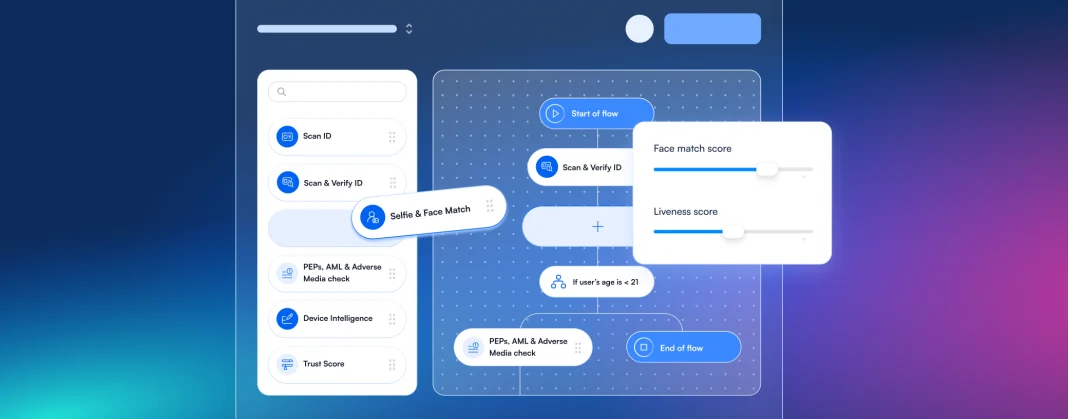
Injection Attack Detection
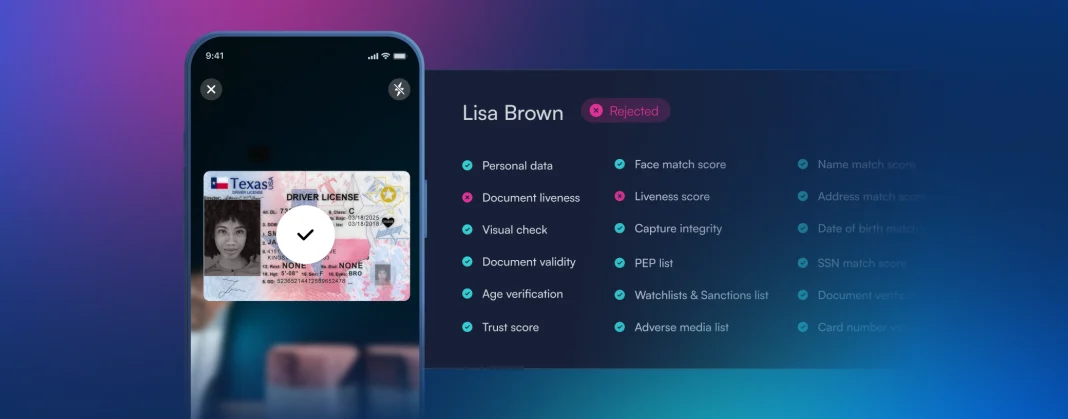
Microblink’s Injection Attack Detection enables organizations to detect and block sophisticated attacks that bypass live capture by feeding manipulated images, video, or synthetic media directly into identity verification systems. By combining secure capture, device integrity analysis, biometric verification, and real-time signal validation, organizations can prevent attackers from injecting fraudulent media into onboarding and authentication workflows. Designed for modern identity systems, Microblink helps organizations secure verification pipelines against emerging injection-based attacks without adding friction for legitimate users.

CHALLENGE
Modern fraud attacks increasingly target the verification pipeline itself rather than the user interface.
THE SOLUTION
Microblink protects identity verification workflows by validating not just the user, but the integrity of the capture environment itself. The platform analyzes device, session, and media signals in real time to detect injected content, synthetic streams, emulator-based attacks, and virtual camera manipulation before verification is completed. Rather than assuming that incoming images or video originate from a trusted live capture session, Microblink continuously evaluates whether media is authentic, live, and securely captured from a legitimate source. Combined with on-device processing and hardened SDKs, this creates a layered defense against increasingly sophisticated identity injection attacks.
How it works
Captures selfie and generates a protected payload to help ensure the image originates from a genuine live flow rather than an injected, replayed, or external source.
Verify that the selfie was captured through a trusted path and checks for signs of tampering, replay, substitution, or manipulation before verification.
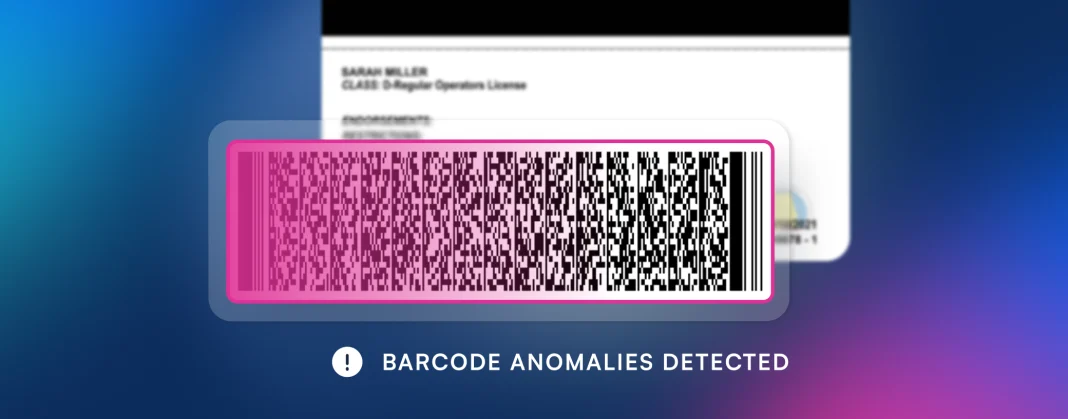
Analyze signals associated with compromised capture flows, including injected media, manipulated sources, and bypassed live camera capture.
Based on detected risk, either allow verification to continue, route the case for manual review, or reject the interaction entirely
KEY BENEFITS

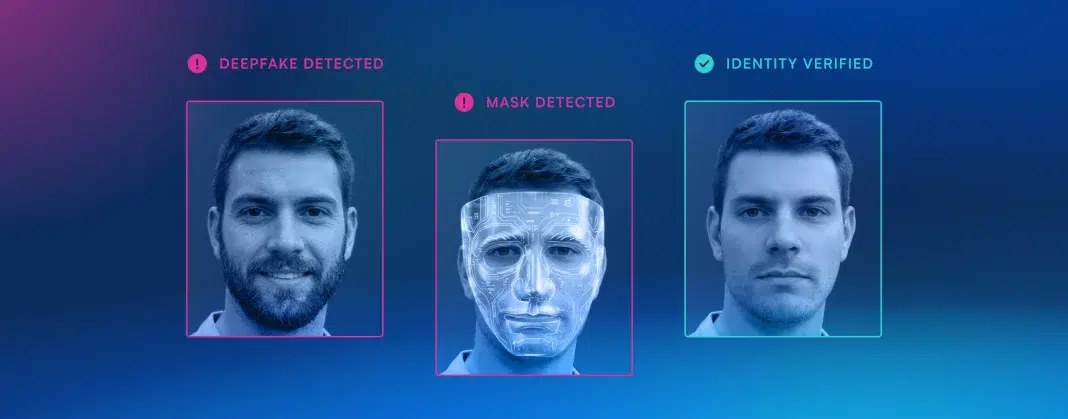
Identify manipulated images, synthetic streams, and injected video before fraudulent users can pass verification.

Detect attempts to bypass secure capture environments using emulated devices or virtualized media inputs.

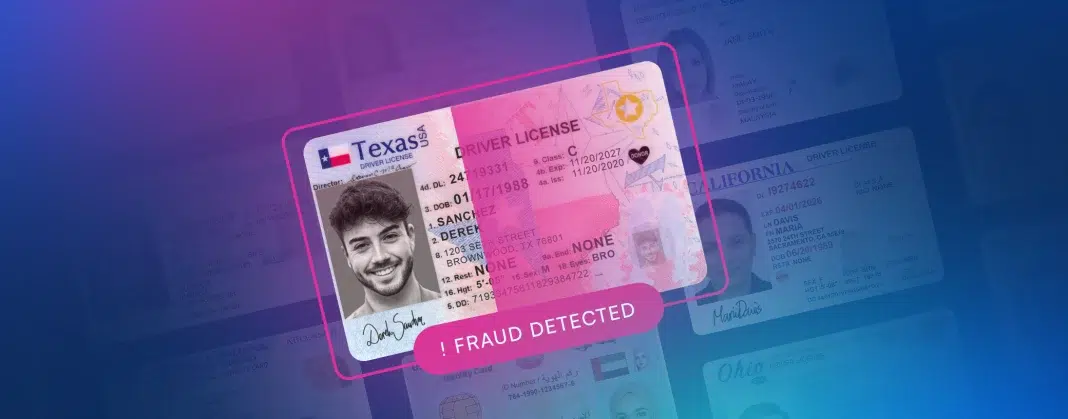
Ensure biometric and document verification systems evaluate real users instead of pre-recorded or AI-generated media.

Block advanced attacks designed to bypass onboarding and authentication workflows.

Apply advanced injection detection without introducing unnecessary friction for legitimate users.
Identify manipulated images, synthetic streams, and injected video before fraudulent users can pass verification.
Detect attempts to bypass secure capture environments using emulated devices or virtualized media inputs.
Ensure biometric and document verification systems evaluate real users instead of pre-recorded or AI-generated media.
Block advanced attacks designed to bypass onboarding and authentication workflows.
Apply advanced injection detection without introducing unnecessary friction for legitimate users.
Features & Functionality
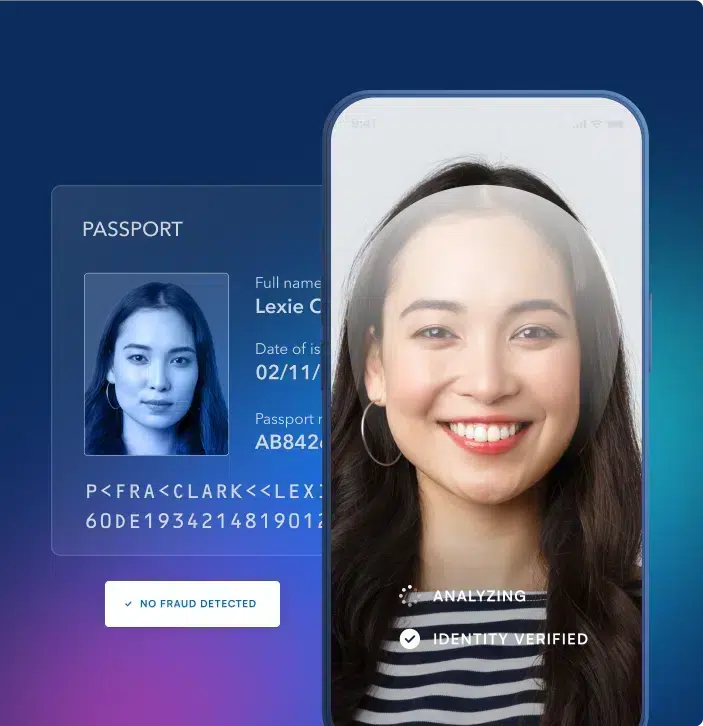
Microblink secures identity verification at the capture layer, where modern injection attacks increasingly target onboarding and authentication systems. Instead of relying solely on traditional liveness checks, the platform continuously validates the integrity of incoming media, device environments, and capture sessions in real time.

AI-driven analysis detects anomalies associated with injected streams, emulator-based attacks, synthetic media, and virtual camera manipulation before verification decisions are made. By combining secure capture with biometric verification and document verification, Microblink helps organizations ensure that identity workflows begin with trusted input rather than manipulated media.
On-device processing further reduces exposure by handling sensitive identity signals within hardened SDKs rather than relying entirely on server-side validation. Flexible APIs and SDKs allow organizations to integrate injection attack defense directly into existing onboarding and authentication workflows, creating a resilient verification environment built for emerging identity threats.
Microblink secures identity verification at the capture layer, where modern injection attacks increasingly target onboarding and authentication systems. Instead of relying solely on traditional liveness checks, the platform continuously validates the integrity of incoming media, device environments, and capture sessions in real time.
AI-driven analysis detects anomalies associated with injected streams, emulator-based attacks, synthetic media, and virtual camera manipulation before verification decisions are made. By combining secure capture with biometric verification and document verification, Microblink helps organizations ensure that identity workflows begin with trusted input rather than manipulated media.
On-device processing further reduces exposure by handling sensitive identity signals within hardened SDKs rather than relying entirely on server-side validation. Flexible APIs and SDKs allow organizations to integrate injection attack defense directly into existing onboarding and authentication workflows, creating a resilient verification environment built for emerging identity threats.
Testimonials
Microblink was very easy to integrate and allowed us to move quickly without compromising on security or compliance.
The SDK gave us a strong plug-and-play starting point, and the Microblink team was highly responsive throughout testing and rollout.
Overall, it was a very smooth experience.
— Mathieu Hartvick
Instacart
Software Engineer and Project Lead
Banco Azteca was able to easily implement BlinkID across multiple mobile applications and use cases, whether users were trying to open a bank account or apply for a loan.
We couldn’t be more impressed with how agile and versatile it is, seamlessly integrating with our onboarding processes while delivering accurate, real-time results.
— Francisco León
Banco Azteca
IT Director
By integrating Microblink’s technology into our platform for automotive lenders across Mexico, we’ve been able to dramatically accelerate and optimize ID verification.
We’ve achieved a 98% success rate, making the entire KYC process faster, smoother, and more reliable for our business and our customers.
— Fabián Ramírez
Latin ID
Product owner
Microblink was very easy to integrate and allowed us to move quickly without compromising on security or compliance.
The SDK gave us a strong plug-and-play starting point, and the Microblink team was highly responsive throughout testing and rollout.
Overall, it was a very smooth experience.
— Mathieu Hartvick
Instacart
Software Engineer and Project Lead
Banco Azteca was able to easily implement BlinkID across multiple mobile applications and use cases, whether users were trying to open a bank account or apply for a loan.
We couldn’t be more impressed with how agile and versatile it is, seamlessly integrating with our onboarding processes while delivering accurate, real-time results.
— Francisco León
Banco Azteca
IT Director
By integrating Microblink’s technology into our platform for automotive lenders across Mexico, we’ve been able to dramatically accelerate and optimize ID verification.
We’ve achieved a 98% success rate, making the entire KYC process faster, smoother, and more reliable for our business and our customers.
— Fabián Ramírez
Latin ID
Product owner
Latest
FAQ
Have another question?
Contact our team!
An injection attack occurs when malicious data, code, or media is inserted into a system through input fields or APIs, causing the system to process it as legitimate and potentially bypass security controls.
Presentation attacks involve showing fake content to a camera, while injection attacks bypass the camera entirely by inserting manipulated data directly into the system.
Common threats include API parameter tampering, document injection, deepfake media injection, and code-based attacks like SQL injection that manipulate backend systems.
Microblink uses AI-powered input validation, anomaly detection, and secure processing to identify and block malicious inputs before they are processed or executed.
Discover how Microblink can help your organization secure identity workflows, prevent data manipulation, and defend against advanced injection attacks.

We appreciate your interest in our products and will get back to you shortly.
If you want to see our demo in action and talk about your use case, feel free to book a meeting .
If you want to see our demo in action and talk about your use case, book a meeting right now.
An email has been sent to you with full booking details.
We look forward to showcasing our solutions to you soon.