
Por que a verificação de identidade precisa de análise de dados, e não apenas de precisão
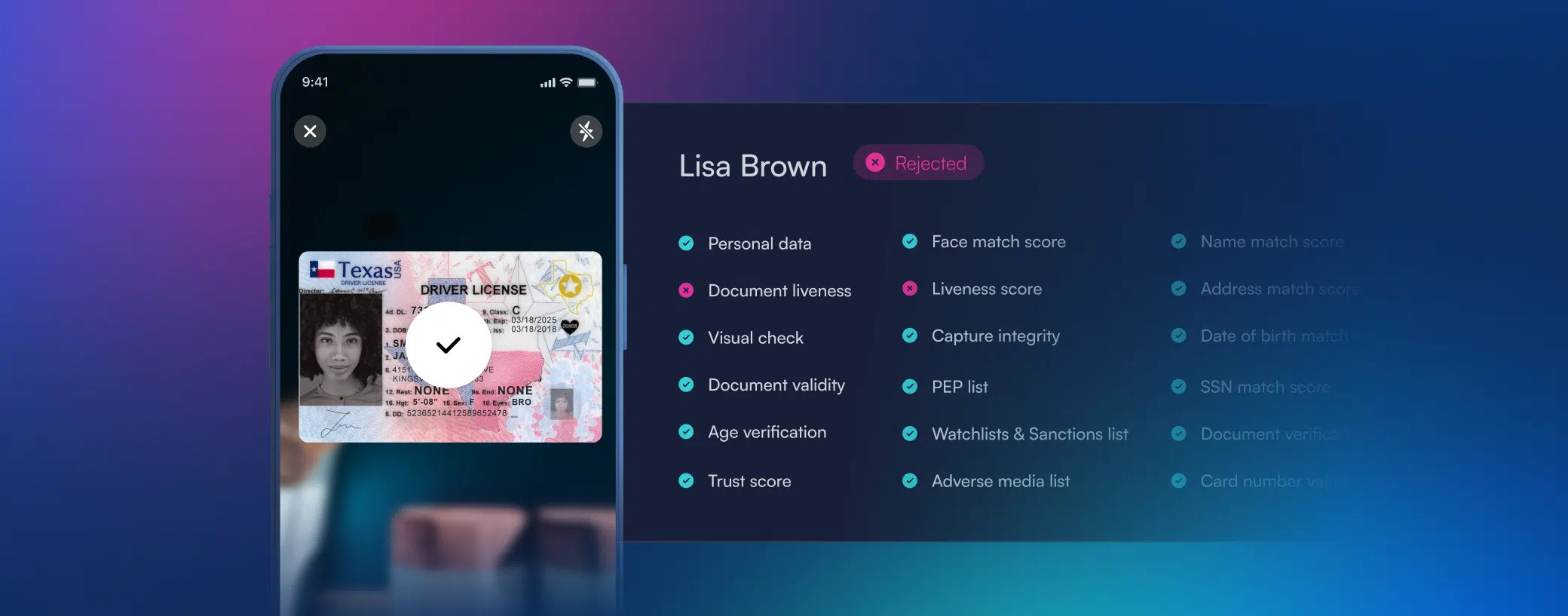

Há anos, as organizações que avaliam soluções de verificação de identidade têm se concentrado em um conjunto conhecido de critérios. Índices de precisão, abrangência de documentos, recursos de detecção de fraudes e velocidade de processamento têm determinado, em grande parte, qual plataforma se destaca. Esses recursos continuam sendo essenciais, mas hoje uma questão diferente está começando a surgir. Depois de criar um processo de verificação de identidade rápido e preciso, como saber se ele está funcionando da melhor maneira possível?
A resposta não está em mais um ponto percentual de precisão dos documentos. Está na visibilidade. Os relatórios e as análises são hoje reconhecidos como uma área importante de avaliação, o que indica que os compradores estão cada vez mais interessados não apenas em saber se a verificação funciona, mas também em compreender como os usuários percorrem a própria jornada de verificação.
Essa distinção pode parecer sutil, mas, para as organizações responsáveis pelo cadastro digital, pagamentos e verificação de identidade, ela tem implicações comerciais significativas.
As taxas de conclusão revelam apenas parte da história
A maioria das plataformas de verificação de identidade pode informar aos clientes quantos usuários concluíram a verificação e quantos não o fizeram. Essas métricas são úteis, mas também são incompletas. Saber que 12% dos usuários abandonaram um fluxo de integração não explica por que esses usuários saíram nem o que pode ser feito para melhorar a experiência.
Cada jornada de integração malsucedida tem um custo. Pode tratar-se de um cliente em potencial de um banco que nunca abriu uma conta, de um consumidor que abandonou o processo de finalização da compra antes de adicionar um meio de pagamento ou de um cliente de telecomunicações que nunca concluiu o cadastro do chip. Em negócios digitais de alto volume, esses não são simplesmente problemas de experiência do usuário. São oportunidades de receita perdidas.
Infelizmente, os relatórios tradicionais muitas vezes deixam as equipes de produto na dúvida. O processo de captura de documentos foi confuso? Os usuários tiveram dificuldades com as permissões da câmera? Eles foram obrigados a tentar várias vezes antes de desistir? Algum tipo específico de documento ou região geográfica apresentou taxas de conclusão mais baixas? Sem respostas para essas perguntas, as organizações acabam fazendo suposições em vez de tomar decisões fundamentadas.
A prevenção de fraudes e a conversão não são mais temas separados
A verificação de identidade tem sido tradicionalmente vista como um investimento em segurança. As organizações adotam tecnologias de verificação para prevenir fraudes, cumprir obrigações regulatórias e estabelecer confiança durante o processo de integração de novos usuários. O sucesso é normalmente medido pela eficácia na detecção de identidades fraudulentas e pela eficiência na aprovação de usuários legítimos.
Mas há outro indicador que merece a mesma atenção: quantos usuários legítimos não conseguem concluir o processo.
Há muito tempo existe a percepção de que controles mais rigorosos contra fraudes inevitavelmente geram mais atritos. O endurecimento dos requisitos de verificação reduz o risco, mas retarda o processo de cadastro, enquanto a simplificação da experiência melhora a conversão em detrimento da segurança. Na prática, essa escolha é frequentemente motivada menos por políticas e mais pela falta de conhecimento.
Quando as organizações compreendem exatamente onde os usuários legítimos enfrentam dificuldades, elas podem melhorar a experiência sem comprometer as defesas contra fraudes. Em vez de se perguntar se a segurança ou a conversão devem ter prioridade, elas podem identificar obstáculos desnecessários e removê-los, preservando a integridade do processo de verificação.
Uma análise da jornada de verificação
É aqui que a análise comportamental vai além de um simples recurso de geração de relatórios.
Em vez de tratar a verificação de identidade como um evento único de aprovação ou reprovação, a análise revela o que acontece ao longo de toda a jornada. Os funis de conversão por etapa mostram exatamente onde os usuários abandonam o processo. A análise de atrito destaca tentativas repetidas de captura, tempos prolongados de captura e mensagens de orientação que indicam que os usuários estão enfrentando dificuldades. A análise de coortes permite que as organizações comparem o desempenho entre tipos de documentos, países, sistemas operacionais, dispositivos e períodos de tempo para identificar tendências que, de outra forma, permaneceriam invisíveis.
Analisadas em conjunto, essas percepções oferecem algo de que as organizações sempre careceram: uma compreensão clara de como o desempenho da verificação afeta os resultados comerciais.
Uma queda na taxa de conversão não é mais apenas um número em um painel de controle. As equipes podem determinar se o problema se limita aos dispositivos Android, está relacionado a um tipo específico de documento ou surgiu após o lançamento de uma versão do produto. Em vez de confiar na intuição, elas podem identificar a causa raiz e agir com confiança.
A análise comportamental está se tornando uma vantagem competitiva
O mercado de verificação de identidade chegou a um ponto interessante em sua evolução. Recursos como painéis de autoatendimento, relatórios operacionais e exportação de dados estão se tornando rapidamente funcionalidades esperadas. A verdadeira oportunidade está em um nível mais profundo: ajudar as organizações a compreender não apenas o que aconteceu, mas por que aconteceu.
Isso significa identificar os pontos em que usuários legítimos abandonam o processo de verificação. Significa revelar fontes ocultas de atrito que as taxas de conclusão, por si só, não conseguem revelar. E significa fornecer às equipes de produto, combate à fraude e operações os dados de que precisam para melhorar continuamente tanto a experiência do usuário quanto o desempenho dos negócios.
Para organizações que lidam com grandes volumes de cadastros e transações de pagamento, cada ponto percentual de conversão faz diferença. Melhorar as taxas de conclusão não significa apenas deixar os usuários mais satisfeitos. Isso resulta em mais contas com saldo, mais compras concluídas e mais jornadas de cadastro bem-sucedidas.
Da verificação à otimização
A verificação de identidade sempre teve como objetivo estabelecer confiança. Cada vez mais, porém, trata-se também de compreender o desempenho.
A próxima geração de plataformas de identidade não se limitará a determinar se uma identidade é legítima. Elas ajudarão as organizações a compreender como os usuários legítimos vivenciam o processo de verificação, onde surgem os obstáculos e como essas informações podem ser utilizadas para melhorar os resultados ao longo do tempo.
Porque o futuro da verificação de identidade não se resume apenas a tomar melhores decisões. Trata-se de tornar essas decisões visíveis.