
Navegue pelas postagens do blog repletas de insights do setor.
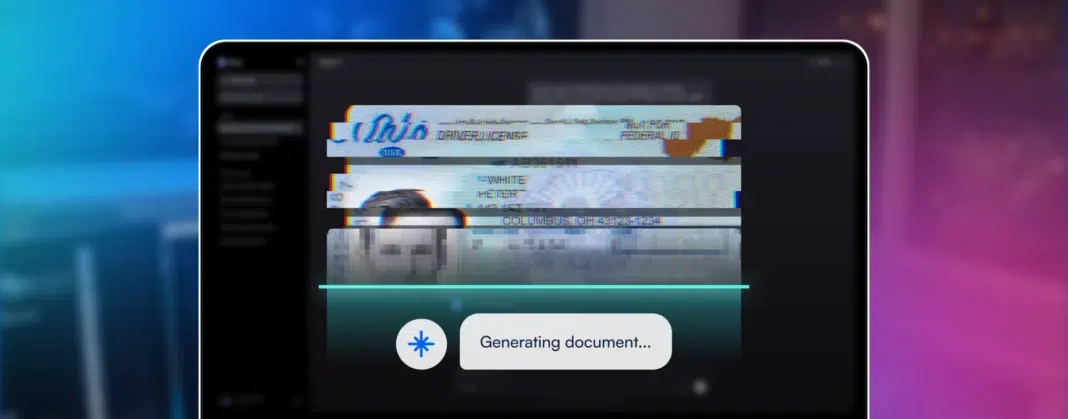
Generative AI is changing the economics of fraud. Criminals can now create convincing fake identities, clone voices, manipula...

November is the start of the holiday shopping season, especially for the millions celebrating Singles Day in China and parts...
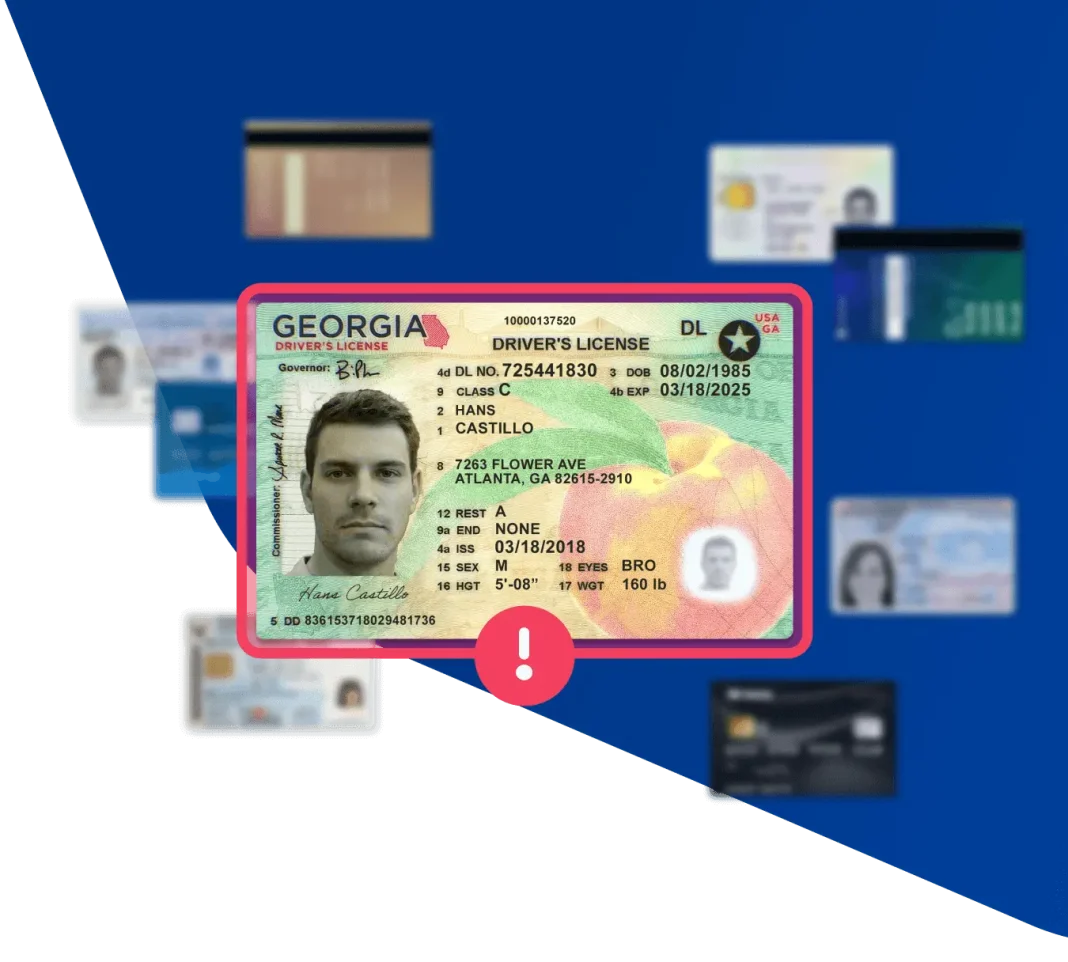
A single stolen identity document can be the starting point for thousands of fraudulent attempts. With generative AI, attacke...

On October 13, Jamie Dimon told analysts that JPMorgan Chase would not let outside AI agents operate inside customer accounts...
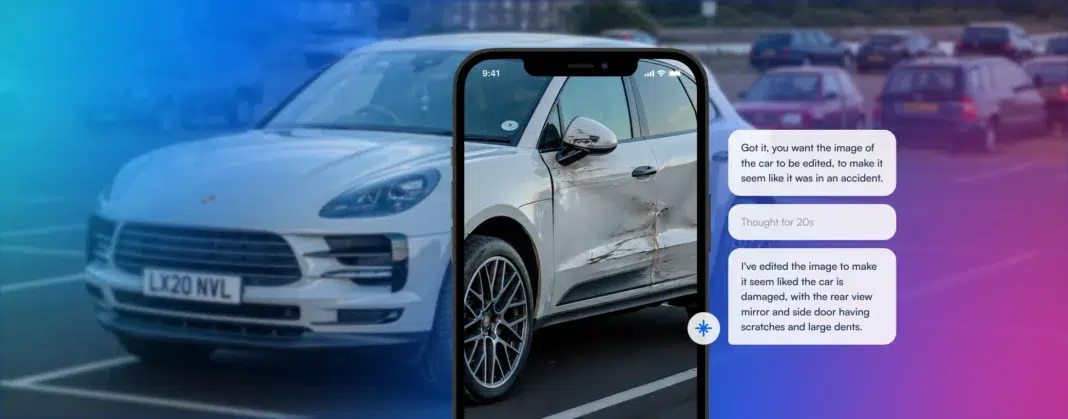
Generative AI has made it possible to create convincing photographs of events that never happened, documents that never exist...
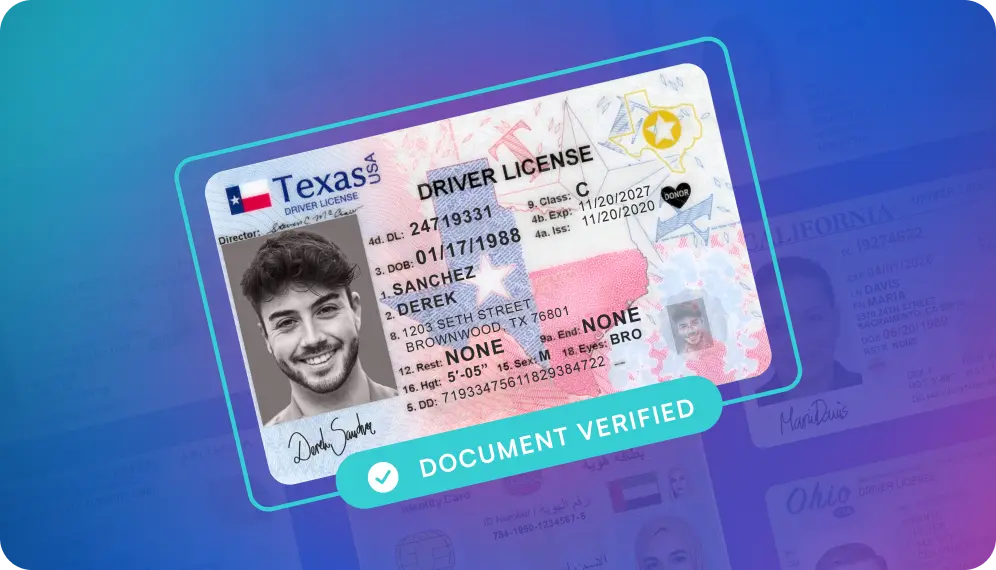
Only one of seven commercial document validation systems evaluated by the U.S. Department of Homeland Security (DHS) met all...
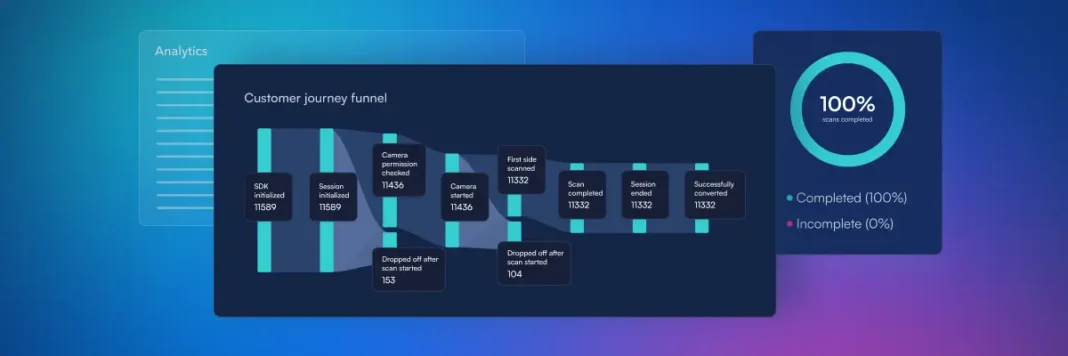
Traditionally, identity verification teams have measured success primarily through accuracy, fraud detection rates and proces...
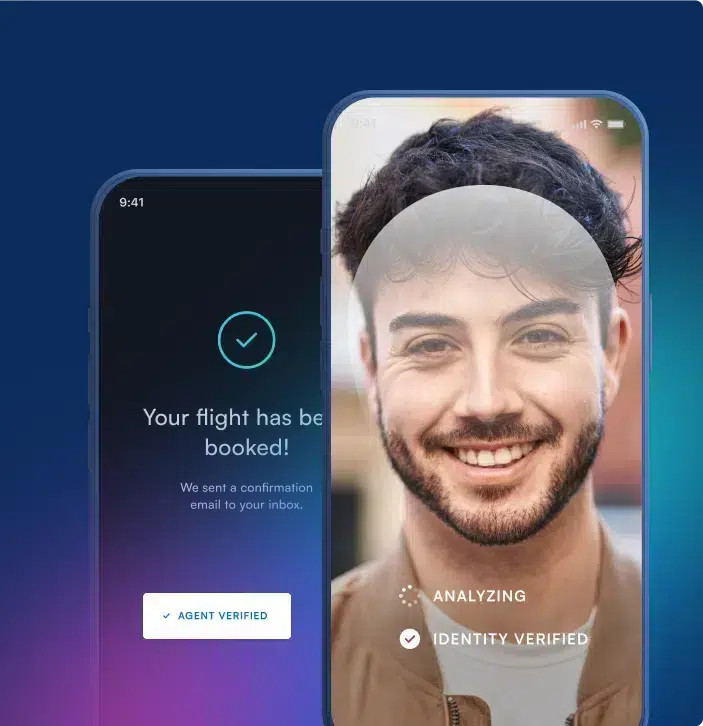
AI agents introduce a new wrinkle into digital trust: a legitimate user can direct a legitimate agent to take an action that...

As the year winds down, I’ve found myself reflecting on what actually moved the needle in 2025. Not just in terms of technolo...
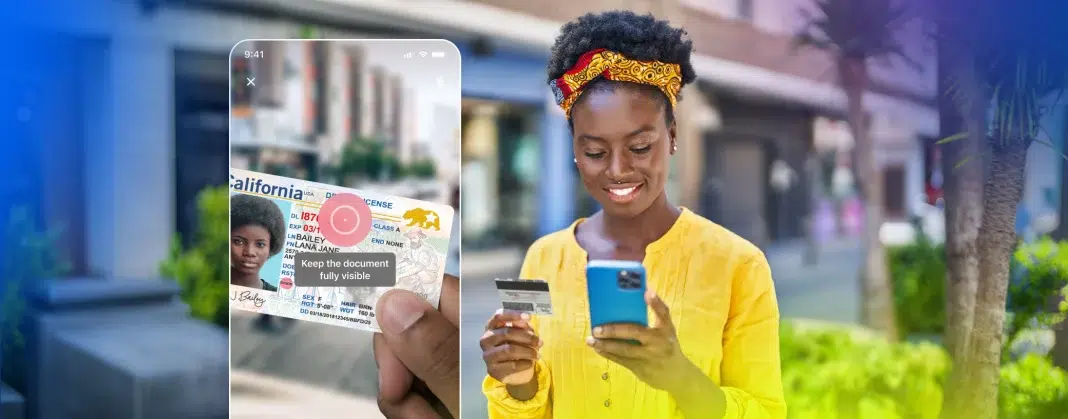
A verificação de identidade não falha porque os sistemas não são precisos o suficiente. Normalmente, ela falha porque os usuá...

Um post recente no blog do CEO da Microblink, Hartley Thompson, explorou como a IA generativa está mudando fundamentalmente a...
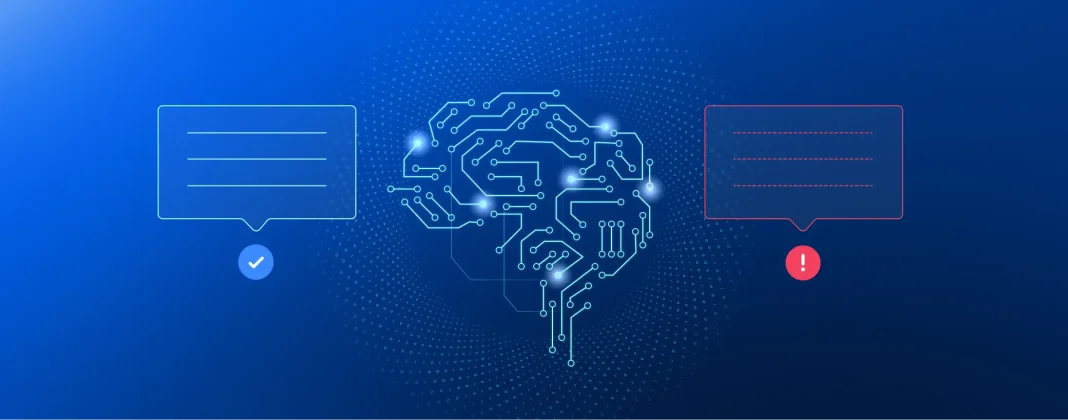
Ultimamente, um novo tipo de ansiedade vem surgindo nos círculos de tecnologia. Não se trata de violações de segurança ou int...
Para explorar nossas soluções, você está a apenas um clique de distância. Experimente nossos produtos ou converse com um de nossos especialistas para se aprofundar no que oferecemos.
A IA não se limitou a tornar a fraude mais rápida. Ela a transformou em um sistema. Analisamos milhões de interações relacionadas à identidade para mapear como os ataques de identidade estão evoluindo em diferentes regiões, tipos de ataque e níveis de sofisticação — e o que as organizações precisam repensar para acompanhar essa evolução.
Veja os dados