
Browse through blog posts packed with industry insights.
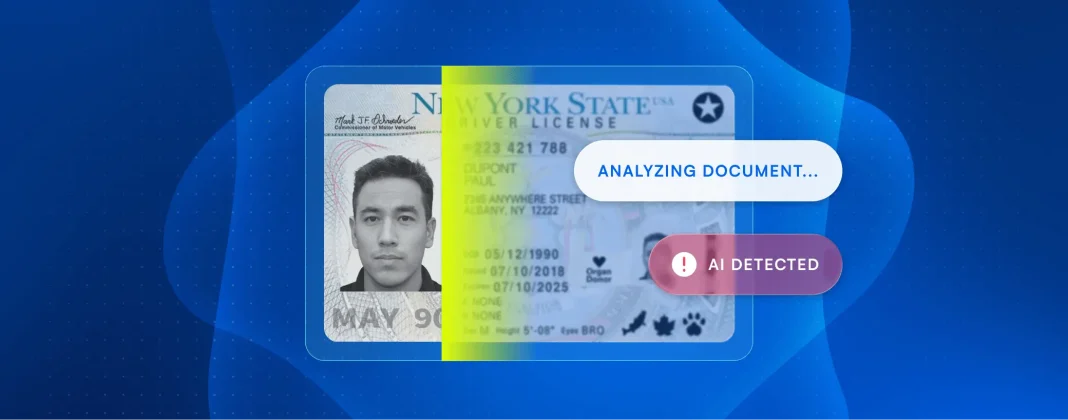
Até pouco tempo atrás, criar um documento de identidade falso convincente exigia tempo, habilidade e ferramentas especializad...

No mundo da tecnologia financeira, que evolui rapidamente, a distribuição justa de gorjetas continua sendo um dos desafios op...
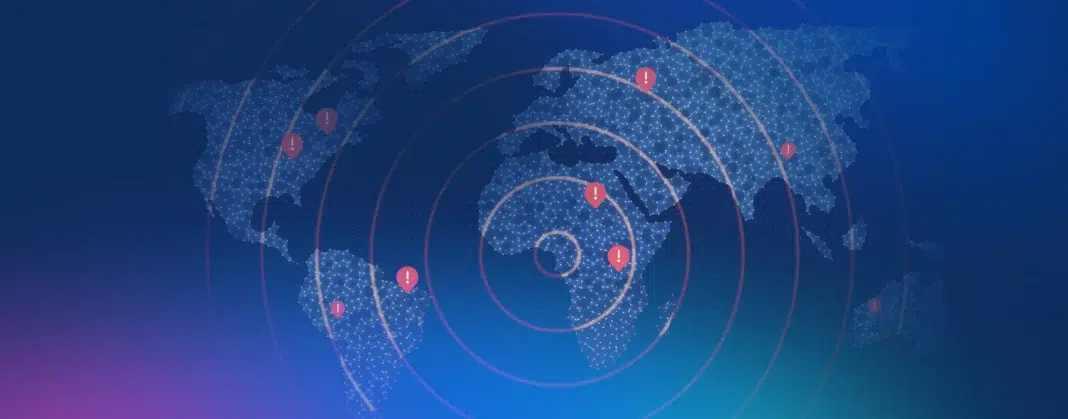
A fraude está evoluindo mais rapidamente do que a maioria das organizações consegue se adaptar. A IA generativa reduziu as ba...

Uma conversa com Joshua Weisberg, CEO da Lambda Finance Hoje, conversamos com Joshua Weisberg, CEO da Lambda Finance, a plata...

A tecnologia de detecção de vitalidade é um aspecto essencial da verificação de identidade moderna, especialmente diante de t...

Em grande escala, a liderança tem menos a ver com intenção e mais com planejamento. Os sistemas que os líderes constroem sile...

As medidas regulatórias dos últimos anos deixaram claro que processos incompletos de KYC e de comprovação de endereço (PoA) c...

À medida que a fraude de identidade se torna cada vez mais sofisticada, as equipes de conformidade estão sendo forçadas a rep...

Os anos de atuação na linha de frente que tive com clientes, parceiros, órgãos reguladores e colegas do setor em todo o ecoss...
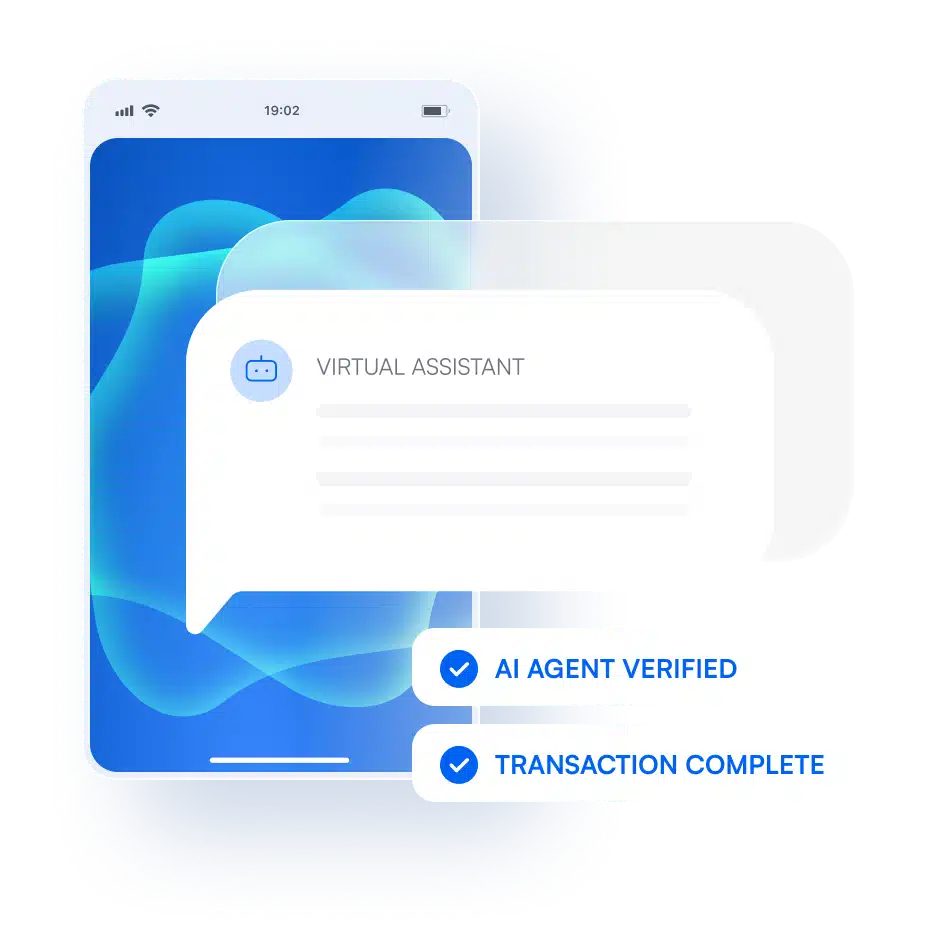
O Moltbook, plataforma social no estilo do Reddit projetada para a participação de agentes de IA, já ultrapassa 1,5 milhão de...

À medida que a automação, os agentes de IA e os fluxos de trabalho delegados se tornam parte integrante dos serviços financei...

A fraude em faturas é particularmente perigosa porque um pagamento fraudulento pode parecer extremamente semelhante a um paga...
Para explorar nossas soluções, você está a apenas um clique de distância. Experimente nossos produtos ou converse com um de nossos especialistas para se aprofundar no que oferecemos.
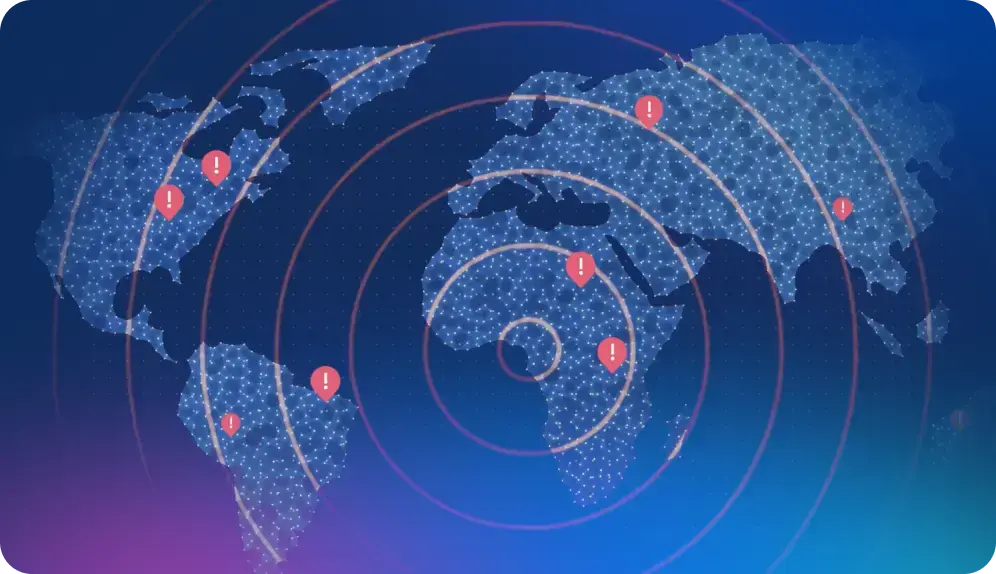
A IA não se limitou a tornar a fraude mais rápida. Ela a transformou em um sistema. Analisamos milhões de interações relacionadas à identidade para mapear como os ataques de identidade estão evoluindo em diferentes regiões, tipos de ataque e níveis de sofisticação — e o que as organizações precisam repensar para acompanhar essa evolução.
Veja os dados