Detecção de ataques por injeção
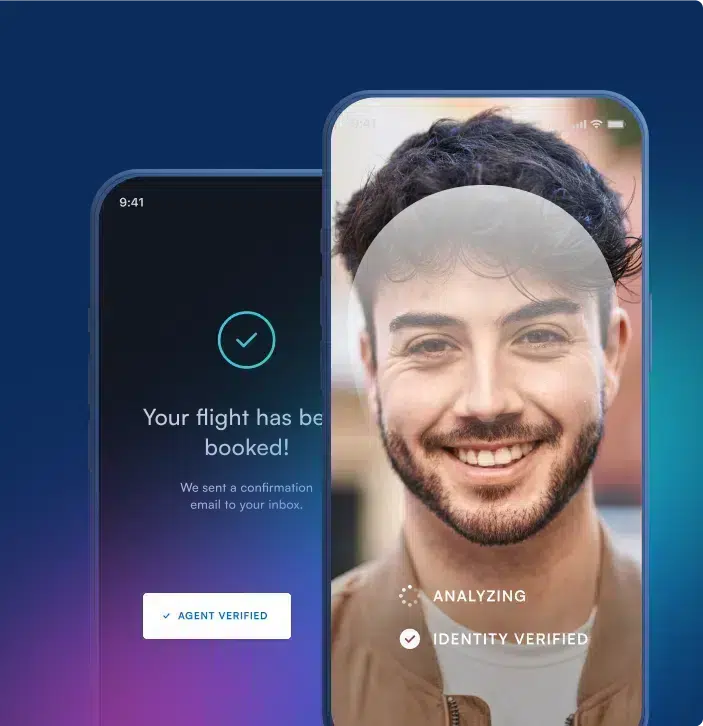
A Detecção de Ataques por Injeção da Microblink permite que as organizações detectem e bloqueiem ataques sofisticados que contornam a captura ao vivo, injetando imagens, vídeos ou mídia sintética manipulados diretamente nos sistemas de verificação de identidade. Ao combinar captura segura, análise de integridade de dispositivos, verificação biométrica e validação de sinais em tempo real, as organizações podem impedir que invasores injetem mídia fraudulenta nos fluxos de trabalho de cadastro e autenticação. Projetado para sistemas de identidade modernos, o Microblink ajuda as organizações a proteger seus fluxos de verificação contra novos ataques baseados em injeção, sem causar transtornos aos usuários legítimos.

DESAFIO
Os ataques fraudulentos modernos têm como alvo, cada vez mais, o próprio fluxo de verificação, em vez da interface do usuário.
A SOLUÇÃO
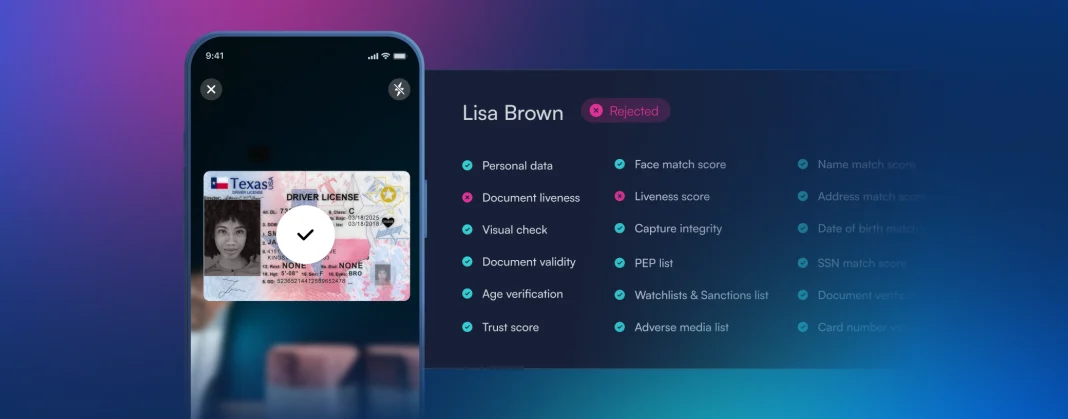
A Microblink protege os fluxos de trabalho de verificação de identidade ao validar não apenas o usuário, mas também a integridade do próprio ambiente de captura. A plataforma analisa sinais do dispositivo, da sessão e da mídia em tempo real para detectar conteúdo injetado, transmissões sintéticas, ataques baseados em emuladores e manipulação de câmeras virtuais antes que a verificação seja concluída. Em vez de presumir que as imagens ou vídeos recebidos se originam de uma sessão de captura ao vivo confiável, a Microblink avalia continuamente se a mídia é autêntica, ao vivo e capturada com segurança a partir de uma fonte legítima. Combinado com o processamento no próprio dispositivo e SDKs reforçados, isso cria uma defesa em camadas contra ataques de injeção de identidade cada vez mais sofisticados.
Como funciona
Tira uma selfie e gera uma carga útil protegida para ajudar a garantir que a imagem seja proveniente de um fluxo ao vivo genuíno, e não de uma fonte injetada, reproduzida ou externa.
Verifique se a selfie foi capturada por meio de um canal confiável e verifique se há indícios de adulteração, reprodução, substituição ou manipulação antes da verificação.
Analisar sinais associados a fluxos de captura comprometidos, incluindo mídia injetada, fontes manipuladas e captura por câmera ao vivo contornada.
Com base no risco detectado, permitir que a verificação continue, encaminhar o caso para análise manual ou rejeitar a interação por completo
PRINCIPAIS BENEFÍCIOS

Identifique imagens manipuladas, transmissões sintéticas e vídeos inseridos antes que usuários fraudulentos consigam passar pela verificação.

Detectar tentativas de contornar ambientes de captura segura por meio de dispositivos emulados ou entradas de mídia virtualizadas.

Certifique-se de que os sistemas de verificação biométrica e de documentos avaliem usuários reais, em vez de materiais pré-gravados ou gerados por IA.

Bloqueie ataques avançados criados para contornar os fluxos de trabalho de integração e autenticação.

Aplique técnicas avançadas de detecção de injeção sem causar transtornos desnecessários aos usuários legítimos.
Identifique imagens manipuladas, transmissões sintéticas e vídeos inseridos antes que usuários fraudulentos consigam passar pela verificação.
Detectar tentativas de contornar ambientes de captura segura por meio de dispositivos emulados ou entradas de mídia virtualizadas.
Certifique-se de que os sistemas de verificação biométrica e de documentos avaliem usuários reais, em vez de materiais pré-gravados ou gerados por IA.
Bloqueie ataques avançados criados para contornar os fluxos de trabalho de integração e autenticação.
Aplique técnicas avançadas de detecção de injeção sem causar transtornos desnecessários aos usuários legítimos.
Recursos e funcionalidades
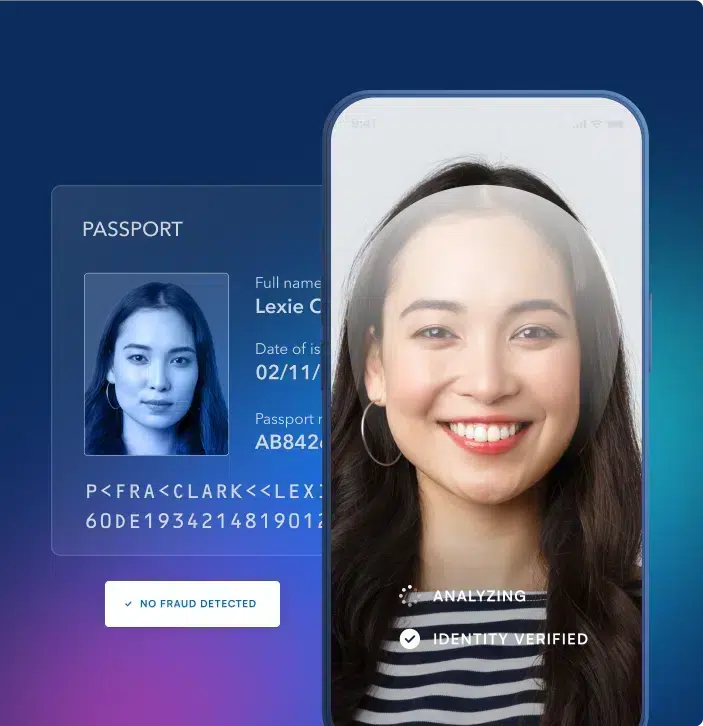
A Microblink garante a verificação de identidade na camada de captura, onde os ataques de injeção modernos têm como alvo, cada vez mais, os sistemas de cadastro e autenticação. Em vez de depender exclusivamente das verificações tradicionais de vitalidade, a plataforma valida continuamente a integridade das mídias recebidas, dos ambientes dos dispositivos e das sessões de captura em tempo real.

A análise baseada em IA detecta anomalias associadas a fluxos injetados, ataques baseados em emuladores, mídia sintética e manipulação de câmeras virtuais antes que as decisões de verificação sejam tomadas. Ao combinar a captura segura com a verificação biométrica e a verificação de documentos, a Microblink ajuda as organizações a garantir que os fluxos de trabalho de identidade comecem com dados confiáveis, em vez de mídia manipulada.
O processamento no próprio dispositivo reduz ainda mais a exposição, ao lidar com sinais de identidade confidenciais dentro de SDKs reforçados, em vez de depender inteiramente da validação no lado do servidor. APIs e SDKs flexíveis permitem que as organizações integrem a defesa contra ataques de injeção diretamente nos fluxos de trabalho existentes de integração e autenticação, criando um ambiente de verificação resiliente, projetado para lidar com ameaças emergentes à identidade.
A Microblink garante a verificação de identidade na camada de captura, onde os ataques de injeção modernos têm como alvo, cada vez mais, os sistemas de cadastro e autenticação. Em vez de depender exclusivamente das verificações tradicionais de vitalidade, a plataforma valida continuamente a integridade das mídias recebidas, dos ambientes dos dispositivos e das sessões de captura em tempo real.
A análise baseada em IA detecta anomalias associadas a fluxos injetados, ataques baseados em emuladores, mídia sintética e manipulação de câmeras virtuais antes que as decisões de verificação sejam tomadas. Ao combinar a captura segura com a verificação biométrica e a verificação de documentos, a Microblink ajuda as organizações a garantir que os fluxos de trabalho de identidade comecem com dados confiáveis, em vez de mídia manipulada.
O processamento no próprio dispositivo reduz ainda mais a exposição, ao lidar com sinais de identidade confidenciais dentro de SDKs reforçados, em vez de depender inteiramente da validação no lado do servidor. APIs e SDKs flexíveis permitem que as organizações integrem a defesa contra ataques de injeção diretamente nos fluxos de trabalho existentes de integração e autenticação, criando um ambiente de verificação resiliente, projetado para lidar com ameaças emergentes à identidade.
Depoimentos
O Microblink foi muito fácil de integrar e nos permitiu avançar rapidamente sem comprometer a segurança nem a conformidade.
O SDK nos proporcionou um excelente ponto de partida do tipo “plug-and-play”, e a equipe do Microblink se mostrou extremamente receptiva durante todo o processo de testes e implantação.
No geral, foi uma experiência muito tranquila.
— Mathieu Hartvick
Instacart
Engenheiro de Software e Líder de Projeto
O Banco Azteca conseguiu implementar facilmente o BlinkID em diversos aplicativos móveis e cenários de uso, seja para usuários que desejavam abrir uma conta bancária ou solicitar um empréstimo.
Ficamos extremamente impressionados com a agilidade e a versatilidade da solução, que se integrou perfeitamente aos nossos processos de cadastro, ao mesmo tempo em que forneceu resultados precisos e em tempo real.
— Francisco León
Banco Azteca
Diretor de TI
Ao integrar a tecnologia da Microblink à nossa plataforma destinada a financiadoras automotivas em todo o México, conseguimos acelerar e otimizar drasticamente a verificação de identidade.
Alcançamos uma taxa de sucesso de 98%, tornando todo o processo de KYC mais rápido, mais ágil e mais confiável para nossa empresa e nossos clientes.
— Fabián Ramírez
Latin ID
Responsável pelo produto
O Microblink foi muito fácil de integrar e nos permitiu avançar rapidamente sem comprometer a segurança nem a conformidade.
O SDK nos proporcionou um excelente ponto de partida do tipo “plug-and-play”, e a equipe do Microblink se mostrou extremamente receptiva durante todo o processo de testes e implantação.
No geral, foi uma experiência muito tranquila.
— Mathieu Hartvick
Instacart
Engenheiro de Software e Líder de Projeto
O Banco Azteca conseguiu implementar facilmente o BlinkID em diversos aplicativos móveis e cenários de uso, seja para usuários que desejavam abrir uma conta bancária ou solicitar um empréstimo.
Ficamos extremamente impressionados com a agilidade e a versatilidade da solução, que se integrou perfeitamente aos nossos processos de cadastro, ao mesmo tempo em que forneceu resultados precisos e em tempo real.
— Francisco León
Banco Azteca
Diretor de TI
Ao integrar a tecnologia da Microblink à nossa plataforma destinada a financiadoras automotivas em todo o México, conseguimos acelerar e otimizar drasticamente a verificação de identidade.
Alcançamos uma taxa de sucesso de 98%, tornando todo o processo de KYC mais rápido, mais ágil e mais confiável para nossa empresa e nossos clientes.
— Fabián Ramírez
Latin ID
Responsável pelo produto
Últimas notícias
FAQ
Have another question?
Contact our team!
An injection attack occurs when malicious data, code, or media is inserted into a system through input fields or APIs, causing the system to process it as legitimate and potentially bypass security controls.
Presentation attacks involve showing fake content to a camera, while injection attacks bypass the camera entirely by inserting manipulated data directly into the system.
Common threats include API parameter tampering, document injection, deepfake media injection, and code-based attacks like SQL injection that manipulate backend systems.
Microblink uses AI-powered input validation, anomaly detection, and secure processing to identify and block malicious inputs before they are processed or executed.
Descubra como a Microblink pode ajudar sua organização a proteger os fluxos de trabalho de identidade, impedir a manipulação de dados e se defender contra ataques avançados de injeção.

Agradecemos seu interesse em nossos produtos e entraremos em contato em breve.
Se você quiser ver nossa demonstração em ação e conversar sobre o seu caso de uso, fique à vontade para agendar uma reunião.
Se você quiser ver nossa demonstração em ação e conversar sobre o seu caso de uso, agende uma reunião agora mesmo.
Foi enviado um e-mail para você com todos os detalhes da reserva.
Estamos ansiosos para apresentar nossas soluções a você em breve.
A IA não se limitou a tornar a fraude mais rápida. Ela a transformou em um sistema. Analisamos milhões de interações relacionadas à identidade para mapear como os ataques de identidade estão evoluindo em diferentes regiões, tipos de ataque e níveis de sofisticação — e o que as organizações precisam repensar para acompanhar essa evolução.
Veja os dados