
The New Rules of Image Authenticity in the Age of Generative AI


Generative AI has made it possible to create convincing photographs of events that never happened, documents that never existed and damage that was never sustained. From synthetic identity documents to fabricated insurance claims and delivery photos, businesses increasingly face a new challenge: determining whether the images submitted as evidence are genuine.
Unlike traditional image manipulation, which involves altering an existing photograph, generative AI can produce entirely synthetic images from scratch. These fakes can be difficult to distinguish from authentic photographs, creating new opportunities for fraud across industries that rely on visual evidence to make decisions.
As the technology becomes more sophisticated, businesses need to rethink how they establish the authenticity of the images they receive.
Image Fraud Is Becoming Vastly More Sophisticated
Image manipulation is hardly a new problem. Fraudsters have long used editing software to change information on identity documents, alter receipts or exaggerate damage in photographs. Detecting these changes has traditionally involved looking for inconsistencies, signs of tampering or mismatches between the image and other available information.
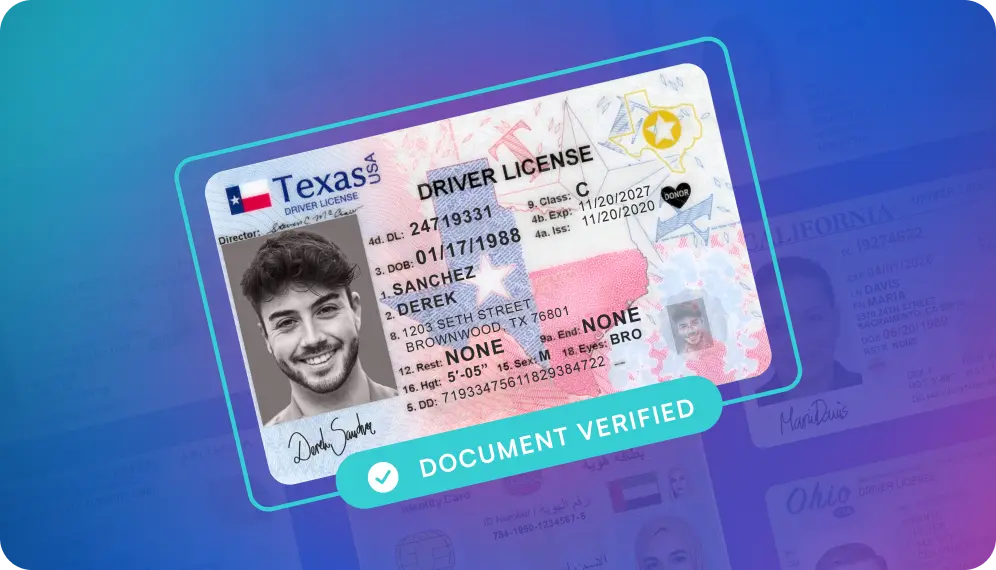
Generative AI, however, introduces a different kind of threat. Rather than modifying an existing photograph, an attacker can create an entirely synthetic image. An identity document might contain a realistic portrait, plausible personal information and a convincing layout, despite having no genuine source document. A photograph submitted as evidence of a damaged product might depict an incident that never occurred. In e-commerce, a fraudulent customer could submit AI-generated images of a damaged or missing product to obtain a refund. In insurance, fabricated photographs could support false claims involving vehicles or property.
These examples share a common vulnerability: A business process treats an image as evidence, but the image itself may have been manufactured. This means organizations need to reconsider whether traditional image review and fraud controls are sufficient for workflows where a photograph can trigger a payment, refund, account approval or other consequential action.
Why Detecting AI-Generated Images Requires a Different Approach
Traditional document fraud detection examines several characteristics of an identity document, including its layout, security features, data consistency and signs of physical or digital tampering.
Those checks remain important, but an entirely AI-generated image presents a different challenge. The image may be internally consistent because the fraudster has created every element together. There may be no original photograph to compare against or obvious edited region to identify.
Images captured by physical cameras contain patterns associated with the imaging process. Generative AI models, by contrast, can leave different statistical traces as they construct synthetic content. Specialized detection models can examine these characteristics to assess whether an image is more likely to have been captured by a camera or generated artificially.
This kind of analysis adds another layer of evidence to a fraud decision. It does not eliminate the need for document validation, contextual checks or risk assessment, but it can help identify suspicious content that conventional visual inspection may miss.
Introducing Microblink GenAI Check
To help organizations address this emerging threat, Microblink now offers a GenAI Check for documents, a capability designed to identify images that have been generated or modified using artificial intelligence.
GenAI Check supports two types of workflows: identity document verification and the broader range of business processes that rely on photographs as evidence.
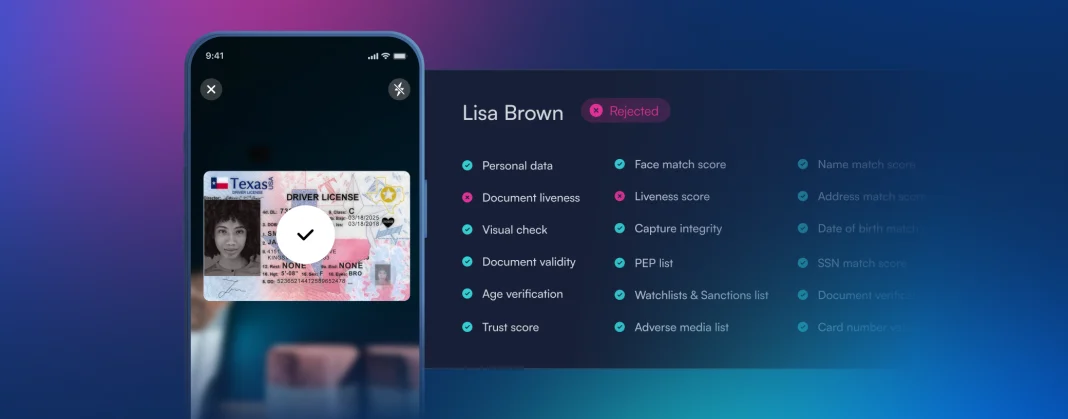
Within identity verification, the check runs automatically on each side of a submitted document without requiring changes to the existing verification flow. It operates alongside other fraud assessments, including document liveness, tamper detection, data validation and security feature checks.
This layered approach matters because no single fraud signal can address every type of attack. A synthetic identity document, a photocopy of a genuine ID and a digitally altered portrait present different risks. Evaluating multiple characteristics helps organizations make more informed decisions about the authenticity of a submitted document.
Turning Image Analysis Into Actionable Fraud Signals
Identifying potentially synthetic content is only part of the challenge. Businesses also need to determine how to respond when an image appears suspicious.
Microblink’s approach examines characteristics associated with genuine camera capture and patterns associated with generative image creation. The analysis produces a probability score that informs whether the image should be flagged as AI-generated.
For identity verification, organizations can adjust detection sensitivity based on their risk tolerance. Higher sensitivity can help identify more suspicious cases, while lower sensitivity can reduce the likelihood of flagging genuine documents.
For standalone image analysis, GenAI Check provides an accept-or-reject verdict that can be incorporated into the relevant business workflow.
The important distinction is that detection should support a broader decision process rather than operate as an isolated technical result.
Why AI-Generated Image Detection Belongs in a Broader Fraud Strategy
Generative AI is expanding the range of content that businesses must evaluate for authenticity, but it is not replacing older fraud techniques. Organizations still encounter manipulated documents, screen presentations, physical counterfeits, inconsistent identity data and attempts to interfere with the capture process itself.
Microblink’s document verification capabilities combine GenAI Check with assessments of image quality, document classification, data consistency, document liveness, tampering and injection attacks. These signals help address different ways an attacker might attempt to defeat a verification process.
GenAI Check is also part of Microblink’s Identity Intelligence OS, which brings identity and fraud signals into a common decisioning environment.
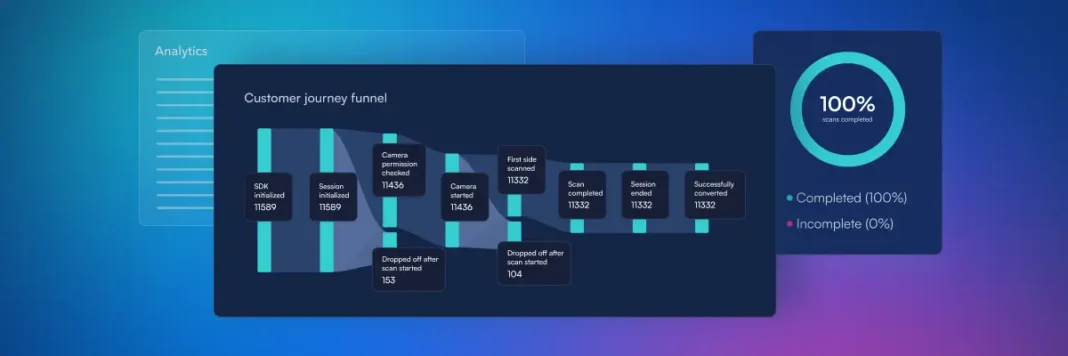
Through orchestration capabilities, organizations can configure how different signals influence verification requirements, exceptions and escalation paths. Command Center provides visibility into thresholds, risk scoring and verification performance, helping teams understand the operational impact of their fraud policies.
This becomes particularly important when businesses need to balance fraud detection against customer experience. Stronger defenses are valuable, but organizations also need to understand whether their policies are rejecting legitimate submissions or introducing unnecessary friction.
Keeping Pace With an Evolving Threat
New image-generation models can produce different artifacts, while attackers continually experiment with ways to make synthetic content more convincing. A detection approach that performs well against one generation of AI tools may need to evolve as new techniques emerge.
Microblink addresses this challenge through its Fraud Lab, which generates synthetic documents, reconstructs attack patterns and simulates fraud techniques to test and refine its defenses. This internal red-teaming process is intended to challenge detection models as the threat landscape evolves.
Organizations need fraud defenses that can adapt to changing attack methods, support different levels of risk and provide enough visibility to understand how those defenses affect legitimate users.
Trusting the Evidence, Not Just the Image
Generative AI has made it possible to create convincing visual evidence without the underlying event, object or document ever existing. That changes the role photographs play in digital business processes.
With GenAI Check, Microblink extends AI-generated content detection beyond identity documents to the wider range of images businesses rely on every day. Combined with existing verification capabilities and configurable fraud workflows, it gives organizations another way to evaluate the evidence behind important decisions.
Learn more about Microblink’s GenAI Check here and how it can help protect identity verification and image-based workflows.