
Best Deepfake Detection Software in 2026: Top AI Solutions for Fraud & Compliance
As generative AI becomes more sophisticated, the threat of deepfakes and synthetic media has escalated, posing significant risks to digital identity verification, fraud prevention, and corporate security. Organizations across banking, fintech, and government sectors are increasingly relying on advanced deepfake detection software to authenticate users, secure digital onboarding software workflows, and maintain compliance. The best deepfake detection software leverages multimodal analysis, real-time processing, and forensic-grade explainability to identify AI-manipulated images, video, and audio before they can cause financial or reputational damage.
For Fraud Decision-Makers, the right platform is not just about detection accuracy. It is also about how well a tool fits regulated onboarding flows, supports auditability, reduces manual review pressure, and integrates into existing risk and compliance operations. The vendors below vary widely in scope, from identity-focused biometric verification to forensic investigation and voice-specific fraud defense.
| Product | Compliance Features | Industry Focus | AI Capabilities | User Experience | Developer Experience |
|---|---|---|---|---|---|
| Microblink | KYC and age-verification support with strong document validation and biometric checks. Well suited for regulated onboarding flows that need fast identity assurance. | Banking, fintech, digital identity, and online onboarding. Best fit for organizations centered on document and selfie verification. | Proprietary AI for document recognition, biometric matching, and anti-spoofing. Strong real-time performance, but limited breadth outside identity workflows. | Fast and low-friction onboarding with real-time capture and verification. Performance can still depend on camera quality and lighting conditions. | Mature SDKs and APIs for mobile and web integration. Requires implementation work, but is generally developer-friendly once scoped. |
| Reality Defender | Supports enterprise security and fraud-prevention workflows with audit-friendly detection across multiple channels. Useful for organizations that need governance around synthetic media risk. | Large enterprises, financial services, contact centers, and corporate security teams. Especially strong where live communications need to be authenticated. | Ensemble-based multimodal detection across video, audio, image, and text. Built for real-time enterprise defense against evolving deepfake tactics. | Operates largely behind the scenes in live workflows like calls and meetings. Powerful in practice, though tuning may be needed to balance sensitivity. | API-first platform designed for embedding into enterprise systems. Integration is flexible but can be resource-intensive across multiple channels. |
| Sensity AI | Court-ready reporting, on-premise deployment, and forensic-grade explainability. Strong fit for evidentiary, legal, and investigative compliance requirements. | Government, law enforcement, intelligence, media verification, and high-stakes investigations. Best for teams that need defensible authenticity analysis. | Multilayer forensic analysis spanning pixels, metadata, file structure, and audio. Optimized for depth and explainability rather than instant onboarding speed. | Designed for investigators who need rich detail and traceable findings. Less ideal for consumer-facing flows that need a simple pass/fail result in seconds. | Available in cloud and on-premise formats to match sensitive environments. Adoption may require staff who can interpret more advanced forensic outputs. |
| BioID | Supports KYC, AML, and proof-of-life requirements with strong anti-spoofing controls. Useful for regulated authentication where biometric trust is critical. | Banking, government, pensions, and secure account access. Well aligned to identity verification programs with fraud resistance needs. | Advanced liveness detection, patented challenge-response, and virtual camera attack prevention. Specialized in blocking presentation and injection-style attacks. | Highly secure verification flow with strong live-user assurance. Active challenge-response can introduce more friction than passive liveness tools. | Integrates into existing verification services and authentication flows. Deployment can be more complex when securing camera sources across browsers and apps. |
| Identy.io | Aligned with FIDO and ISO 30107-style requirements and supports privacy-sensitive verification. On-device processing also helps reduce data exposure for regulated use cases. | Mobile banking, digital wallets, fintech apps, and mobile-first identity platforms. Best where smartphone onboarding and privacy are priorities. | On-device deepfake detection, passive liveness, and injection attack detection. Strong specialization in mobile facial verification rather than broad multimodal analysis. | Very smooth user journey with passive checks and minimal user effort. Results can vary somewhat depending on the power of the end user’s device. | Well suited for native mobile integrations with privacy-first architecture. Less compelling for teams that need desktop-web-first or backend-only workflows. |
| DuckDuckGoose AI | Built for regulated environments with explainable outputs, audit trails, and very low false positive rates. Strong fit for compliance-heavy onboarding and fraud review teams. | Banking, fintech, and other high-trust enterprises. Especially relevant where adverse decisions must be justified to auditors or regulators. | Explainable AI for image and video analysis, plus continuous in-house retraining against new deepfake variants. Optimized for accuracy and transparency at scale. | Low false rejections help preserve conversion rates in high-volume workflows. Detailed explanations also make it easier for reviewers to trust outcomes. | API-based deployment supports enterprise pipeline integration. Teams may need thoughtful workflow design to make the most of rich explainability outputs. |
| Pindrop | Supports fraud controls in sensitive voice channels and offers a Deepfake Warranty for eligible customers. Well matched to organizations where call authentication is a critical risk area. | Contact centers, financial services, and enterprises handling phone-based approvals. Best for teams fighting voice fraud at scale. | Specialized audio deepfake detection trained on a large proprietary voice dataset across many languages. Category-leading for voice, but not built for visual media. | Works invisibly within call flows and helps agents detect risky interactions in real time. Excellent for voice channels, though outside that scope the experience is limited. | Designed to integrate with call center and telephony infrastructure. Deployment can be complex in large or legacy enterprise environments. |
| Resemble AI | Zero Retention Mode, explainable reporting, and support for provenance-oriented workflows. Suitable for regulated teams that need strong data handling controls. | Enterprise security, media authentication, legal evidence review, and trust and safety teams. Also relevant for organizations preparing for zero-day synthetic threats. | World-model-based detection that evaluates physical consistency alongside known generation artifacts. Strong differentiator for spotting content from previously unseen generators. | Provides real-time, human-readable reports that help teams understand why content was flagged. Highly edited but legitimate media may sometimes need manual review. | API and SDK delivery model gives teams flexibility in custom deployments. It is best suited to organizations with engineering resources and clear workflow ownership. |
| Deepware | Offers private on-premise analysis options for organizations with data sensitivity concerns. Compliance depth is lighter than more enterprise-focused competitors. | Journalists, researchers, smaller organizations, and teams needing basic video verification. Best as an accessible scanner rather than a full enterprise fraud stack. | Video-focused scanning for synthetic manipulation with community-informed threat visibility. Much narrower in scope than multimodal enterprise platforms. | Easy to understand and accessible for users who want quick video checks. It is practical for basic screening, but not optimized for sophisticated enterprise workflows. | Simpler adoption profile than many enterprise platforms, especially for basic scanning use cases. It lacks the deeper APIs, automation, and integration breadth found in premium competitors. |
1. Microblink
Platform summary
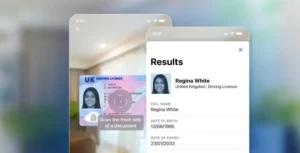
Microblink is a specialized eIDV software (electronic identity verification) and deepfake defense platform built for high-volume, regulated onboarding. Its strength lies in combining document authentication, address verification software for fraud prevention, biometric matching, and anti-spoofing into a fast, operationally efficient workflow for fraud, risk, and compliance teams.
With 12 years of computer vision R&D and an in-house machine learning lab, Microblink is especially well suited for enterprises that need to stop synthetic identities, hyper-realistic fake IDs, and deepfake-enabled impersonation before they enter the customer lifecycle. For Fraud Decision-Makers, the appeal is clear: strong security controls, automation at scale, and lower manual review burden without sacrificing onboarding conversion.
Key benefits
- Automates up to 95% of identity checks, helping fraud teams focus on complex edge cases.
- Processes billions of identities globally, supporting enterprise-scale onboarding operations.
- Balances strong anti-spoofing with low-friction user journeys.
- Helps maintain airtight KYC and AML compliance across regulated use cases.
Core features
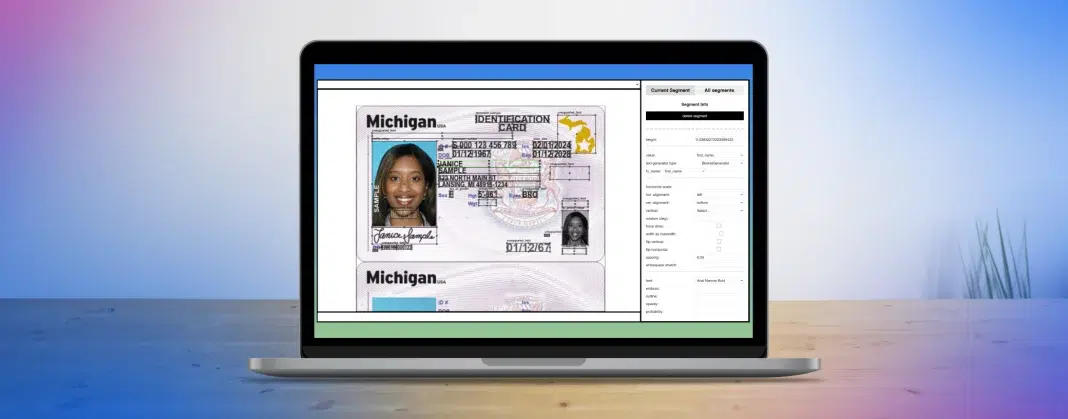
- DHS-proven proprietary AI models: Microblink uses adaptive AI to detect pixel-level synthetic artifacts, photofabricated layouts, and AI-generated text. This reinforces its position as a high-accuracy option for organizations dealing with advanced identity fraud.
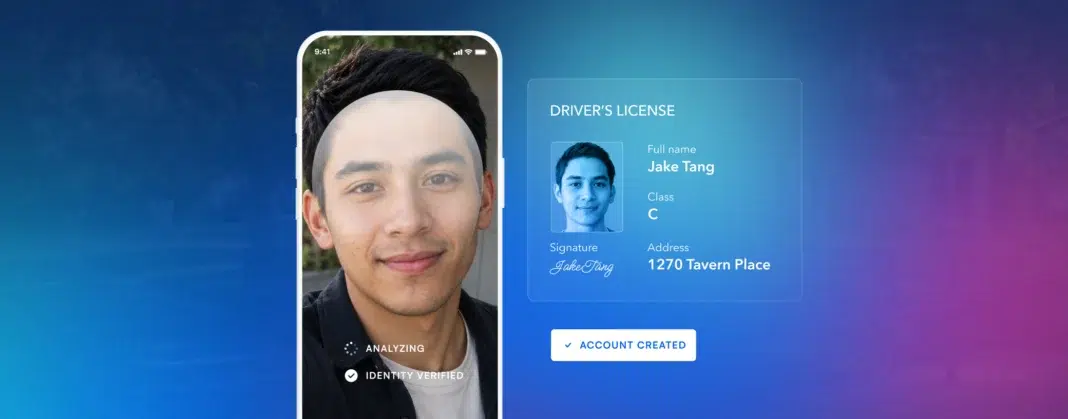
- Real-time biometric and selfie matching: The platform compares live selfie captures to high-resolution ID portraits to block impersonation and face-swap attempts. That makes it particularly effective in selfie-to-ID verification flows where deepfakes are a growing attack vector.
- Multi-layered document analysis: Microblink evaluates data integrity, security features, metadata, and tampering across 2,500+ document types in under three seconds. For enterprise compliance teams, that speed can materially reduce review queues while preserving decision quality.
- Global document support: The platform supports passports, national IDs, and residence permits across 195+ countries. This is important for multinational organizations that need consistent controls across diverse geographies.
Primary use cases
- Enterprise customer onboarding: Instantly verifies government IDs and driver’s licenses across 195+ countries for fast, secure user registration.
- KYC and AML compliance: Helps prevent synthetic or stolen identities from entering the financial ecosystem and supports the auditability regulated teams require.
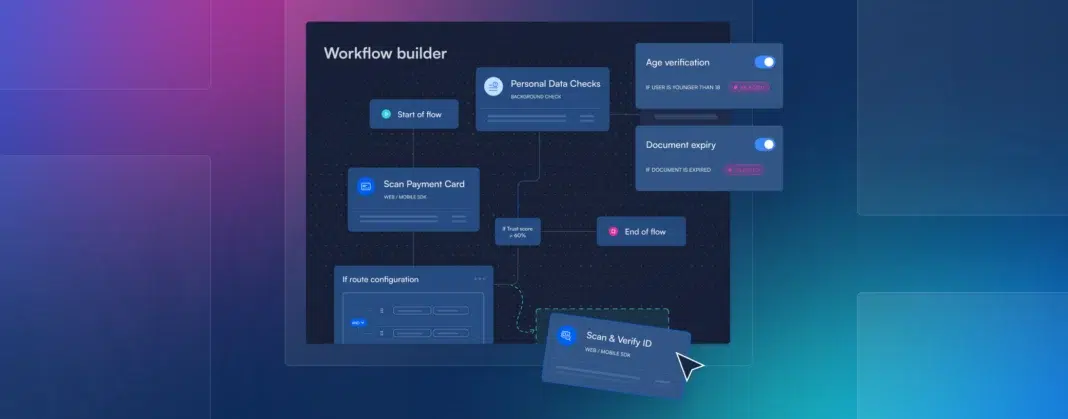
- Fraud operations automation: Routes, escalates, or auto-approves identity submissions based on real-time deepfake and document fraud signals.
Recent updates
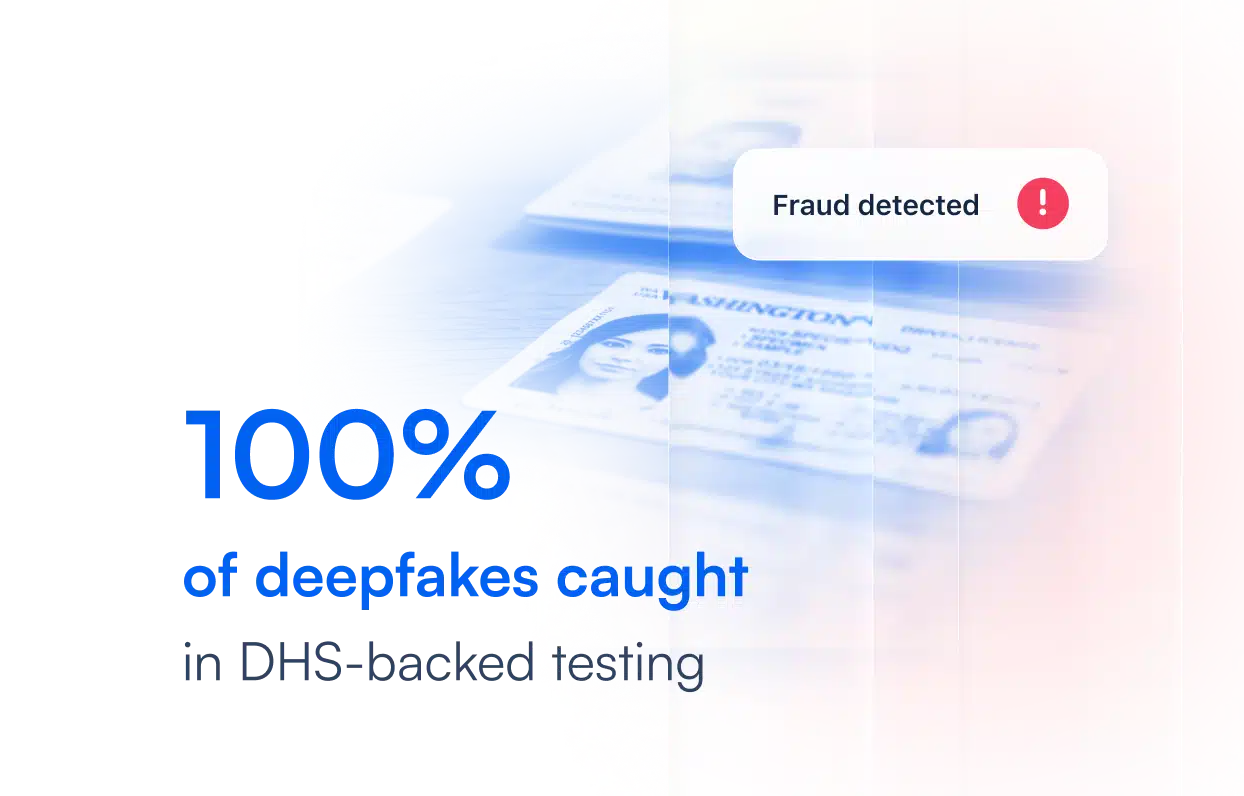
- Unprecedented DHS benchmark success: In March 2026, Microblink became the only vendor to meet every U.S. DHS RIVR accuracy threshold, including a 0.00% system error rate and 100% deepfake detection on the IDNet benchmark.
- Product rebranding: BlinkReceipt was officially rebranded to Actual to reflect its evolving capabilities and consumer-permissioned data focus.
- FREUID Challenge launch: Microblink hosted the first FREUID Challenge to advance machine learning research and collaboration in identity verification.
- New threat intelligence data: The company published new insights on the rise of AI-powered identity fraud, giving enterprise clients clearer visibility into evolving regional attack patterns.
Limitations
- Narrower modality coverage: Microblink is strongest in identity document and biometric verification, not broad media authentication across audio, text, and public web content.
- Implementation effort required: The platform is integration-based, so enterprises should expect some engineering involvement during deployment.
- Capture quality matters: End-user camera quality and lighting can still influence results, even with strong edge-case handling.
2. Reality Defender
Platform summary
Reality Defender provides a multimodal authenticity layer for enterprises that need to detect synthetic media across video, audio, image, and text. It is aimed at organizations with broad deepfake exposure, particularly those protecting live communications, contact centers, and executive workflows.
Core features
- Ensemble-of-models detection
- Multimodal analysis across video, audio, images, and text
- Real-time API integration for enterprise workflows
Primary use cases
- Contact center deepfake voice defense
- Secure video conferencing and executive approval flows
- Media authentication before publication or distribution
Recent updates
Reality Defender was recently named a Market Shaper in deepfake detection by Gartner and won the RSA Conference Innovation Sandbox award, reinforcing its enterprise momentum and innovation credentials.
Limitations
- Generalist scope may not match the depth of more specialized forensic tools
- Integration can be complex across multiple enterprise systems
- Pricing is more aligned to large enterprises than smaller teams
3. Sensity AI
Platform summary
Sensity AI is designed for forensic-grade deepfake analysis where evidentiary quality matters. It is best suited for government agencies, investigators, legal teams, and enterprises that need defensible authenticity assessments rather than instant onboarding decisions.
Core features
- Multilayer forensic analysis across visuals, metadata, file structure, and audio
- Court-ready reporting with explainability
- Cloud and on-premise deployment options
Primary use cases
- Digital forensics and legal evidence review
- Disinformation and misinformation investigations
- Fraud investigation for suspicious KYC or claims submissions
Recent updates
Sensity AI was listed in the NIST Computer Forensics Tools & Techniques Catalog, which strengthens its credibility in high-stakes investigative environments.
Limitations
- Less suitable for low-latency onboarding workflows
- Detailed reports may require trained analysts to interpret
- Best fit is narrower and more specialized than general enterprise fraud prevention
4. BioID
Platform summary
BioID focuses on biometric trust, with a strong emphasis on liveness detection and anti-spoofing. It is especially relevant for organizations where proof of life, secure authentication, and resilience against injected or replayed media are central requirements.
Core features
- Advanced liveness detection software
- Patented challenge-response verification
- Virtual camera attack prevention
Primary use cases
- KYC and AML onboarding
- Pension and welfare proof-of-life checks
- Secure biometric authentication for sensitive account access
Recent updates
BioID is participating in the German government-backed FAKE-ID research consortium to advance generative AI detection and support future digital identity safeguards.
Limitations
- Focused more on biometric fraud than broad media analysis
- Active liveness can add user friction
- Browser and app dependencies may complicate deployment
5. Identy.io
Platform summary
Identy.io is a mobile-first biometric platform built around on-device processing and passive liveness. It is a strong option for organizations that prioritize privacy, mobile onboarding performance, and reduced biometric data exposure.
Core features
- On-device deepfake detection
- Passive liveness checks
- Injection attack detection for compromised video streams
Primary use cases
- Frictionless mobile onboarding for banks and fintechs
- Continuous authentication inside mobile apps
- Privacy-sensitive KYC and AML workflows
Recent updates
Identy.io emphasizes compliance with the newer FIDO Alliance Face Verification certification, which explicitly tests resistance to deepfakes and spoofing.
Limitations
- Best fit is native mobile rather than browser-first workflows
- Performance can vary by device hardware
- Its scope is concentrated on facial biometrics rather than multimodal enterprise detection
6. DuckDuckGoose AI
Platform summary
DuckDuckGoose AI stands out for explainability. Its platform is built for regulated environments that need clear reasons behind a detection outcome, not just a confidence score. That makes it particularly relevant for compliance-heavy onboarding and fraud review operations.
Core features
- Explainable AI with human-readable detection rationale
- False positive rate below 0.1% at scale
- Continuous in-house retraining against emerging deepfake variants
Primary use cases
- High-volume KYC onboarding
- Audit-friendly fraud review workflows
- Forensic investigation of ambiguous or edge-case submissions
Recent updates
The company recently partnered with Banco Daycoval to prevent deepfake-based digital identity fraud in Brazil, demonstrating traction in high-risk, high-volume markets.
Limitations
- Strongest in visual media rather than broad audio-centric use cases
- Higher enterprise positioning may price out smaller teams
- Requires thoughtful workflow design to fully use explainability outputs
7. Pindrop
Platform summary
Pindrop is a specialist in voice fraud and audio deepfake detection. For Fraud Decision-Makers responsible for call centers, verbal approvals, and phone-based authentication, it addresses a high-risk channel that visual identity tools do not cover.
Core features
- Proprietary synthetic voice detection trained on a large audio dataset
- Direct contact center integration
- Industry-first Deepfake Warranty
Primary use cases
- Call center fraud prevention
- Securing verbal approval workflows
- Voice risk analysis paired with caller behavior insights
Recent updates
Pindrop’s 2025 Voice Intelligence and Security Report documented a 680 percent year-over-year rise in deepfake voice activity, highlighting the urgency of audio-specific fraud controls.
Limitations
- Audio-only scope means it cannot cover visual onboarding fraud
- Telephony integration can be a heavy deployment project
- Best aligned to large enterprises with meaningful voice fraud exposure
8. Resemble AI
Platform summary
Resemble AI differentiates itself through a world-model architecture that looks for physical inconsistencies, such as lighting and motion, rather than only known AI fingerprints. This gives it a compelling zero-day detection story for organizations worried about fast-moving synthetic media threats.
Core features
- DETECT-World model for physical consistency analysis
- Resemble Intelligence explainability layer
- Zero Retention Mode for privacy-sensitive environments
Primary use cases
- Zero-day deepfake detection
- Evidence authentication for legal or investigative teams
- Provenance and watermarking workflows
Recent updates
Resemble AI launched DETECT-World, positioning it as the first deepfake detector based on world model architecture.
Limitations
- Some buyers may perceive a conflict because the company also sells generation tools
- Advanced architecture may increase compute and integration demands
- Heavily edited but legitimate media may still require human review
9. Deepware
Platform summary
Deepware is an accessible, video-focused deepfake scanning platform that serves as a practical entry point for organizations needing basic synthetic media checks and protection against video deepfake attacks. It is more suitable for ad hoc verification and educational use than for full-scale enterprise fraud orchestration.
Core features
- Open-source-style video scanning accessibility
- Community-driven threat visibility
- On-premise deployment option
Primary use cases
- Media verification for journalists and researchers
- Basic video threat assessment
- Secure internal scanning of sensitive video content
Recent updates
Deepware continues to maintain its Deepfakes Timeline and Knowledge Center, helping users track the evolution of synthetic media threats.
Limitations
- Narrowly focused on video
- Lighter enterprise workflow support than premium vendors
- Public accessibility can create adversarial testing risk
How Fraud Decision-Makers Should Choose in 2026
For medium-sized businesses and enterprises, the best deepfake detection software depends on where the fraud risk actually appears in your workflows—whether you are securing a crypto exchange or evaluating mortgage fraud detection tools:
- Choose Microblink if your biggest challenge is identity onboarding, document fraud, selfie-to-ID matching, and deepfake resistance in regulated KYC and AML flows.
- Choose Reality Defender if you need broad, multimodal protection across enterprise communications.
- Choose Sensity AI if evidentiary rigor and forensic reporting matter more than onboarding speed.
- Choose BioID or Identy.io if biometric liveness is the core requirement, with BioID leaning toward stricter active defenses and Identy.io toward smoother mobile UX.
- Choose DuckDuckGoose AI if explainability and low false positives are critical to compliance operations.
- Choose Pindrop if voice fraud in contact centers is a priority risk.
- Choose Resemble AI if zero-day synthetic threat detection and privacy-sensitive deployment are key buying factors.
- Choose Deepware if you need basic video scanning rather than an enterprise fraud platform.
In 2026, deepfake defense is no longer a niche security control. For Fraud Decision-Makers, it is becoming a core part of identity assurance, operational resilience, and regulatory risk management. The strongest vendors are the ones that not only detect synthetic media, but also fit cleanly into the way your organization approves customers, reviews risk, and documents decisions.
What is deepfake detection software?
[Deepfake detection software](https://microblink.com/resources/blog/best-deepfake-detection-software-2/) is an advanced security solution designed to identify and flag artificially generated or manipulated media, such as videos, audio recordings, and images. Leveraging artificial intelligence and machine learning algorithms, these tools analyze digital content for microscopic inconsistencies—like unnatural facial movements, irregular lighting, or synthetic audio frequencies—that are invisible to the human eye. For B2B organizations, this technology serves as a critical, automated line of defense against sophisticated identity spoofing and synthetic media attacks during digital interactions.
Why is it important?
As generative AI becomes increasingly accessible, fraudsters are deploying deepfakes to bypass biometric authentication, execute highly convincing CEO fraud, and fabricate synthetic identities during the customer onboarding process. Implementing robust deepfake detection is essential for maintaining regulatory compliance, protecting institutional assets, and preserving brand trust in a digital-first economy. Without these specialized defenses, companies are left highly vulnerable to severe financial losses and compliance violations stemming from advanced KYC (Know Your Customer) evasion tactics.
How to choose the best software provider
Selecting the right deepfake detection provider requires a rigorous methodology focused on accuracy, seamless integration, and technological adaptability. Start by evaluating the software’s false acceptance and false rejection rates to ensure it reliably catches fraud without adding unnecessary friction for legitimate users. Next, prioritize providers that offer real-time analysis, frictionless API integration with your existing KYC and AML workflows, and continuous algorithmic training to stay ahead of rapidly evolving AI generation techniques. Finally, ensure the vendor maintains strong data privacy certifications and has a proven, enterprise-grade track record in B2B fraud prevention.
What is deepfake detection software, and why does it matter for enterprise fraud prevention?
Deepfake detection software helps organizations identify AI-manipulated or synthetic images, videos, audio, and sometimes text before those assets can be used to commit fraud or bypass trust controls. In enterprise settings, it is most often used to stop identity impersonation, synthetic identity attacks, fake onboarding submissions, voice-cloned social engineering, and manipulated evidence in claims or investigations.
For Fraud Decision-Makers, the value goes beyond simply flagging suspicious media. A strong platform can help:
- detect manipulated selfies during identity verification
- identify tampered or AI-generated ID documents
- prevent face-swap or replay attacks in onboarding flows
- spot cloned voices in contact centers or approval workflows
- support audit trails and defensible fraud decisions
This matters because deepfakes are no longer isolated cybersecurity curiosities. They now affect revenue protection, customer onboarding, regulatory exposure, and brand trust. In sectors like banking, fintech, insurance, and government, even a small number of successful deepfake-enabled attacks can create outsized financial losses and compliance risk.
What features should enterprises prioritize when evaluating deepfake detection software?
The right features depend on where fraud shows up in your workflow, but most enterprise buyers should evaluate solutions against six core areas:
- Detection scope: Determine whether you need image, video, audio, document, biometric, or multimodal protection. A document-and-selfie onboarding flow requires different capabilities than a voice-heavy contact center.
- Real-time performance: If the tool sits inside customer onboarding, account recovery, or call handling, low-latency decisioning is essential. Slow forensic tools may be powerful, but they are not always practical for high-volume operational use.
- Explainability and auditability: In regulated environments, a score alone is often not enough. Teams need human-readable reasons, evidence trails, and reporting that can support compliance reviews or manual investigations.
- False positive control: High fraud catch rates are important, but so is protecting conversion and avoiding unnecessary escalations. A tool that blocks too many legitimate users can create operational and reputational costs.
- Integration fit: APIs, SDKs, deployment options, and workflow compatibility matter. The best model on paper can still underperform operationally if it is difficult to embed into existing KYC, AML, fraud, or call center systems.
- Adaptability to new attack types: Deepfake tactics evolve quickly, so continuous retraining, model updates, and resistance to zero-day synthetic media techniques are critical.
For many enterprises, the strongest buying decision comes from matching the vendor to the fraud surface. Identity-centric tools are often best for onboarding, while voice specialists or multimodal platforms are better for broader enterprise communications risk.
How does deepfake detection support KYC, AML, and compliance requirements?
Deepfake detection supports KYC and AML programs by helping organizations verify that the person presenting an identity is real, present, and legitimately associated with the submitted credentials. That reduces the risk of synthetic identities, stolen identity use, mule account creation, and account takeover during onboarding and authentication. It also plays a vital role in agentic fraud prevention by ensuring authorized representatives are who they claim to be.
From a compliance perspective, these tools are most helpful when they:
- strengthen customer identification controls
- reduce manual review burden while preserving defensible decisions
- create logs and evidence that can be reviewed by compliance or audit teams
- support policies around proof of life, document authenticity, and fraud escalation
- improve consistency in how suspicious submissions are handled across regions or business units
They do not replace KYC or AML programs on their own. Instead, they make those controls more resilient against AI-driven impersonation. For example, a firm may still perform sanctions screening, beneficial ownership checks, and transaction monitoring, but deepfake detection helps ensure the identity entering those downstream checks is more likely to be genuine.
For regulated teams, the biggest differentiator is often not just accuracy, but whether the platform provides enough transparency and documentation to support investigations, adverse-action reviews, internal controls, and external audits.
Can one deepfake detection platform cover every fraud channel?
Usually not completely. Some vendors are highly specialized, while others are broader but may still be stronger in certain workflows than others.
In practice:
- Identity verification platforms are often strongest for document fraud, selfie matching, liveness, and onboarding abuse.
- Voice specialists are best for contact center fraud, verbal approvals, and cloned-audio detection.
- Forensic tools are better for legal review, investigations, and evidentiary analysis.
- Multimodal platforms can provide broader protection across video, audio, image, and text, but may not match the depth of the best specialist tools in every category.
That is why many medium-sized businesses and enterprises use a layered approach. For example, an organization might use one solution for document and biometric onboarding, another for call center voice fraud, and a forensic tool for escalated investigations.
The key question is not whether a vendor covers every modality in theory, but whether it covers the fraud channels that matter most in your operations today. Fraud Decision-Makers should map buying criteria to actual business processes, such as onboarding, account recovery, wire approvals, call authentication, executive communications, or claims review.
How can organizations reduce false positives without weakening deepfake fraud controls?
Reducing false positives starts with choosing a solution designed for enterprise decisioning, not just lab accuracy. A high-performing system should be able to distinguish suspicious synthetic artifacts from harmless real-world issues such as poor lighting, older cameras, compression, or low-bandwidth uploads.
Best practices include:
- Use layered signals instead of one score. Combine deepfake detection with document checks, biometric matching, device intelligence, velocity signals, or behavioral risk indicators.
- Tune thresholds by workflow. A high-risk account recovery flow may justify stricter thresholds than a standard low-value onboarding flow.
- Route edge cases intelligently. Instead of auto-rejecting everything uncertain, send ambiguous cases to manual review with supporting evidence.
- Prioritize explainable outputs. Review teams make better decisions when they can see why media was flagged rather than relying only on opaque confidence percentages.
- Continuously monitor performance. Track approval rates, fraud capture, reviewer overturns, and customer drop-off to refine decision rules over time.
- Test with real production conditions. Many false positives emerge from actual camera quality, device variation, and user behavior rather than from synthetic attacks alone.
For compliance-heavy organizations, this balance is essential. A tool that catches more attacks but creates excessive friction, unfair rejections, or audit questions may not be the best operational choice. The goal is not maximum sensitivity in isolation. It is strong fraud resistance with sustainable customer experience, reviewer efficiency, and defensible governance.