
التحقق من الهوية عبر الحدود: وقف الاحتيال مع الامتثال للمعايير العالمية


كان التوسع في أسواق جديدة يعني في السابق التوطين، والمدفوعات، والخدمات اللوجستية.
أما اليوم، فقد أصبح هذا المصطلح يشير إلى شيء أكثر تعقيدًا بكثير: التحقق من الهوية عبر الحدود بطريقة ترضي الجهات التنظيمية، وتمنع الاحتيال، وتظل قادرة على جذب المستخدمين.
لم يعد التحقق من الهوية عبر الحدود مجرد مهمة إدارية تتعلق بالامتثال. بل أصبح وظيفة أساسية للنمو. إذا نجحت في تنفيذها بشكل صحيح، فستفتح أبواب أسواق جديدة. أما إذا فشلت في ذلك، فستعرض نفسك لخطر الاحتيال والمخاطر التنظيمية وتوقف عمليات التسجيل.
ما المقصود بالتحقق من الهوية عبر الحدود؟
التحقق من الهوية عبر الحدود هو عملية تأكيد هوية المستخدم عبر مختلف البلدان والسلطات القضائية والبيئات التنظيمية.
وعادةً ما يشمل ذلك:
- التحقق من صحة الوثائق الصادرة عن الجهات الحكومية (جوازات السفر، بطاقات الهوية الوطنية، رخص القيادة)
- مطابقة بيانات الهوية عبر تنسيقات ومعايير متعددة
- تطبيق ضوابط «اعرف عميلك» (KYC) ومكافحة غسل الأموال (AML) التي تختلف باختلاف المنطقة
- ضمان الامتثال للوائح المحلية والدولية
يكمن التحدي في عدم وجود معيار عالمي. فكل دولة تتبع قواعد تختلف قليلاً عن غيرها.
لماذا يُعد التحقق من الهوية عبر الحدود أمرًا صعبًا للغاية؟
1. التجزئة التنظيمية عبر الأسواق
لكل بلد ما يميزه:
- متطلبات «اعرف عميلك» (KYC)
- قوانين خصوصية البيانات
- معايير التحقق من الهوية
ما ينجح في منطقة ما قد يفشل في منطقة أخرى. وبالنسبة لفرق المنتجات، فإن هذا يفرض عليها التوفيق باستمرار بين الاتساق العالمي والامتثال المحلي.
2. تنوع الوثائق وتباين جودة البيانات
يوجد آلاف الأنواع من وثائق الهوية على مستوى العالم، ولكل منها:
- تصميمات مختلفة
- ميزات الأمان
- اللغات وأنظمة الكتابة
تتمتع بعض المناطق ببطاقات هوية آمنة وموحدة إلى حد كبير. بينما تعتمد مناطق أخرى على وثائق ذات ميزات أمنية محدودة أو تنسيق غير موحد، مما يزيد من مخاطر الاحتيال وحالات الإيجابية الكاذبة.
3. تجزئة بيانات الهوية
وعلى عكس عمليات التحقق المحلية، غالبًا ما تفتقر عمليات التحقق من الهوية عبر الحدود إلى:
- قواعد البيانات المركزية
- أنظمة موثوقة للتحقق من صحة الجهات المصدرة
- توافر البيانات بشكل مستمر
وهذا يجبر المؤسسات على الاعتماد بشكل أكبر على تحليل الوثائق، والبيانات البيومترية، والإشارات السياقية، بدلاً من الاعتماد على مصادر البيانات الموثوقة وحدها.
4. تتطور عمليات الاحتيال بوتيرة أسرع من اللوائح التنظيمية
المحتالون يستغلون الفجوات بين المناطق:
- استخدام هويات مزيفة في الأسواق التي تفتقر إلى ضوابط صارمة
- إعادة استخدام الهويات المخترقة عبر الحدود
- الاستفادة من مقاطع الفيديو المزيفة (ديب فايك) والوثائق التي تم إنشاؤها بواسطة الذكاء الاصطناعي
تعتبر التدفقات عبر الحدود معرضة للخطر بشكل خاص لأن التباينات بين الأنظمة تؤدي إلى ظهور نقاط عمياء.
5. المفاضلة بين التحويل والامتثال
كلما زاد عدد عمليات التدقيق التي تضيفها، زادت العقبات التي تسببها.
لكن التخلص من العقبات دون اتخاذ تدابير وقائية مناسبة يزيد من التعرض لخطر الاحتيال.
التحدي الحقيقي لا يكمن في الاختيار بين السرعة والأمان، بل في تصميم أنظمة توفر كليهما في آن واحد.
كيفية عمل عملية التحقق من الهوية عبر الحدود (من البداية إلى النهاية)
عادةً ما يتضمن مسار التحقق العابر للحدود الحديث ما يلي:
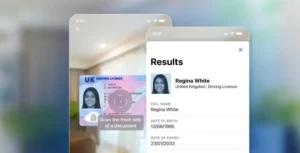
1. التقاط المستندات واستخراج النصوص باستخدام تقنية التعرف الضوئي على الحروف (OCR)
يقوم المستخدمون بالتقاط صور بطاقات هويتهم باستخدام جهاز محمول. ثم يقوم نظام التعرف الضوئي على الحروف (OCR) باستخراج الحقول الرئيسية مثل:
- الاسم
- تاريخ الميلاد
- رقم الوثيقة
2. تحليل صحة الوثائق
تقوم نماذج الذكاء الاصطناعي بتحليل المستند بحثًا عن:
- التلاعب أو التزوير
- اتساق ميزات الأمان
- الشذوذات على مستوى البكسل
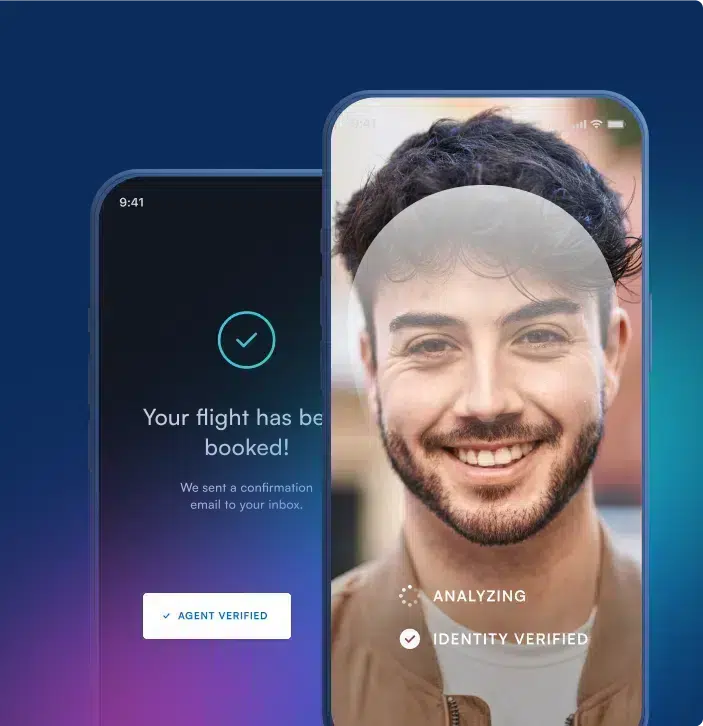
3. التحقق البيومتري
يتم التقاط صورة سيلفي أو مقطع فيديو ومقارنتها بالصورة العمودية الموجودة في المستند للتأكد من:
- المستخدم حقيقي (الكشف عن الحيوية)
- يتطابق معرف المستخدم
4. التحقق من صحة الإشارات المتقاطعة
يتم إدراج إشارات إضافية على مستويات متعددة:
- الذكاء الاصطناعي للأجهزة
- الأنماط السلوكية
- اتساق تحديد الموقع الجغرافي
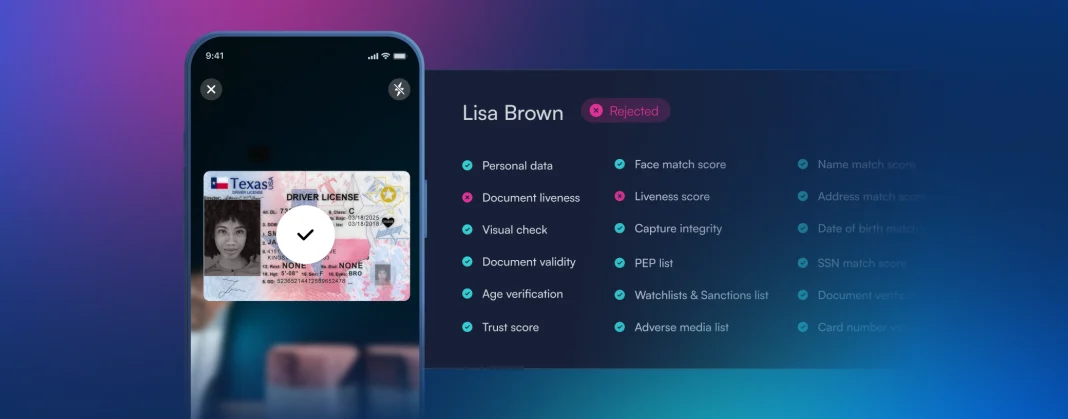
5. اتخاذ القرارات بناءً على المخاطر
بدلاً من نظام «النجاح/الفشل» البسيط، يمنح النظام درجة مخاطر، مما يتيح:
- موافقة فورية للمستخدمين ذوي المخاطر المنخفضة
- التحقق المعزز للحالات الاستثنائية
- تصعيد الإجراءات في حالة الأنشطة عالية المخاطر
أفضل الممارسات للتحقق من الهوية عبر الحدود
استخدام نهج لا يعتمد على نوع المستند
تجنب إنشاء منطق خاص بكل بلد قدر الإمكان. وبدلاً من ذلك، استخدم أنظمة قادرة على تفسير الوثائق على نطاق عالمي، بما في ذلك الوثائق غير المتعلقة بالهوية عند الحاجة.
اعتماد التحقق القائم على المخاطر
لا يحتاج كل مستخدم إلى نفس المستوى من التدقيق. قم بتطبيق إجراءات تحقق ديناميكية بناءً على المخاطر والموقع الجغرافي والسلوك.
دمج إشارات متعددة
لا يكفي الاعتماد على إشارة واحدة (مثل التحقق من المستندات وحده). يجب الجمع بين:
- المستندات
- البيانات البيومترية
- البيانات السلوكية
وهذا يقلل من حالات الاحتيال والنتائج الإيجابية الخاطئة على حد سواء.
التصميم لتجارب تركز على الأجهزة المحمولة أولاً
في العديد من المناطق، يُعد الهاتف المحمول القناة الرئيسية لتسجيل المستخدمين الجدد. تأكد من أن مسارات التسجيل تتميز بما يلي:
- سريع
- بديهي
- مُحسَّن للاستخدام مع الكاميرا
المراقبة المستمرة للهوية بعد انتهاء عملية التسجيل
لا تنتهي مخاطر الهوية بعد إنشاء الحساب. قم بتطبيق تقييم مستمر للهوية على مدار دورة حياة المستخدم.
كيف تتيح «مايكروبلينك» التحقق من الهوية عبر الحدود
تم تصميم نظام التشغيل «Identity Intelligence OS» من شركة «Microblink» خصيصًا لمواجهة هذا التحدي بالذات.
وهو يتيح للمؤسسات ما يلي:
- التحقق من الهويات عبر أنواع الوثائق وأشكالها المختلفة على مستوى العالم
- الجمع بين التحقق من المستندات، والبيانات البيومترية، والإشارات السلوكية
- تقديم تجارب تسجيل سريعة تركز على الأجهزة المحمولة في المقام الأول
- الحد من حالات الاحتيال مع الحفاظ على معدلات تحويل عالية
والأهم من ذلك، أنها لا تتعامل مع الهوية على أنها عملية تحقق تُجرى مرة واحدة، بل كنظام رقابة مستمر يتماشى مع التطورات العالمية في مجال مكافحة الاحتيال واللوائح التنظيمية. لم يعد التحقق من الهوية عبر الحدود أمراً اختيارياً بالنسبة للشركات النامية، بل أصبح أمراً أساسياً. ذلك لأن الهوية، في الاقتصاد الرقمي العالمي، لا تتوقف عند الحدود.