SYNTHETIC AND STOLEN IDENTITY
Microblink enables organizations to detect and block identity fraud across onboarding and transactions using a combination of document intelligence, biometrics, device signals, and real-time risk analysis.

CHALLENGE
Fraud has evolved beyond simple document forgery and traditional verification methods are struggling to keep up.
THE SOLUTION
Microblink approaches identity fraud as a continuous problem, not just a point-in-time event. The system combines document verification, biometric authentication, and payment signals into a unified decisioning layer. Each interaction is analyzed in real time by continually evolving AI and ML models to determine not just if an identity is valid, but whether it should be trusted at that moment. By linking signals across the full user journey, organizations can detect synthetic identities, identify reused or stolen credentials, and stop fraud before it scales.
HOW IT WORKS
Users submit identity data through document scan, digital input, or payment interaction, generating raw identity signals.
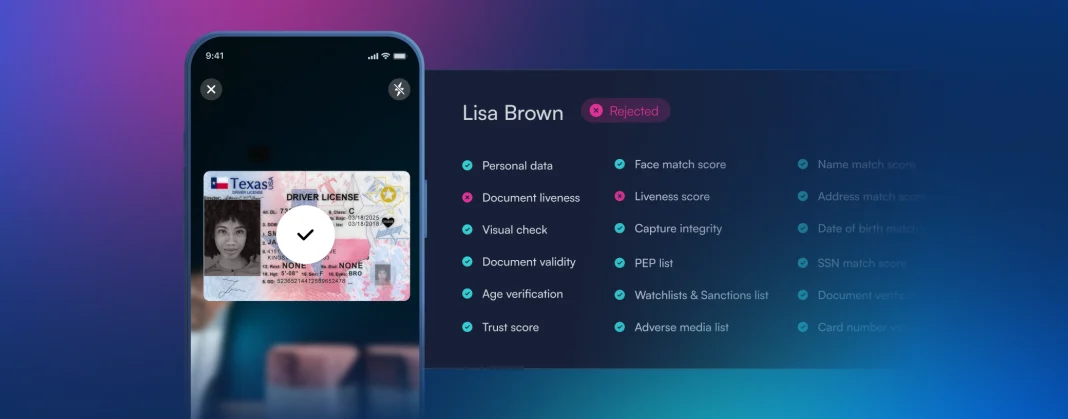
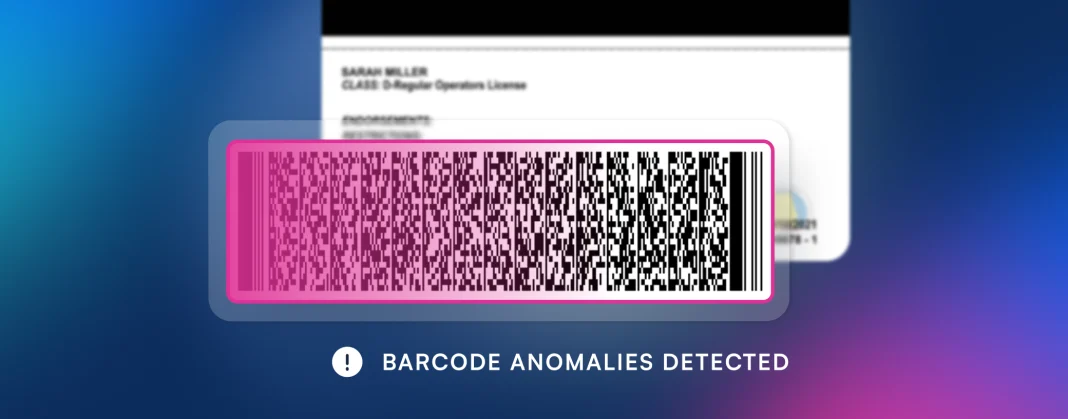
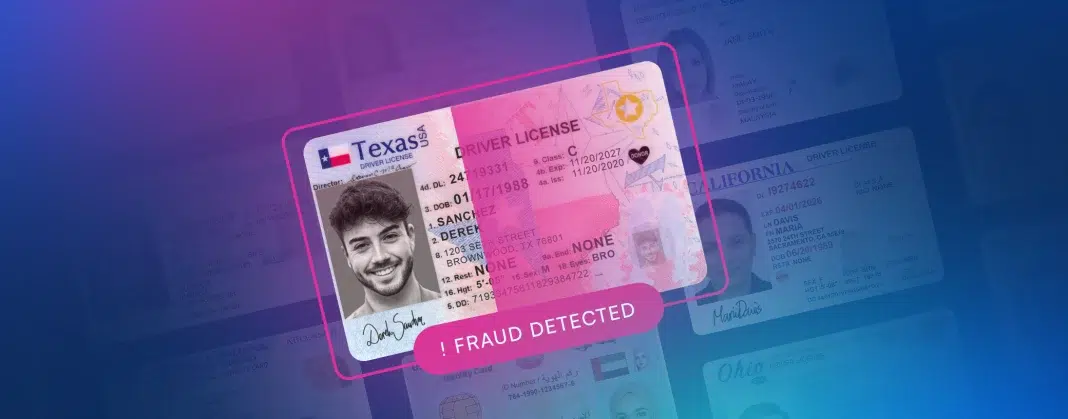
AI models analyze documents, detect tampering, and validate identity data against known patterns and inconsistencies.
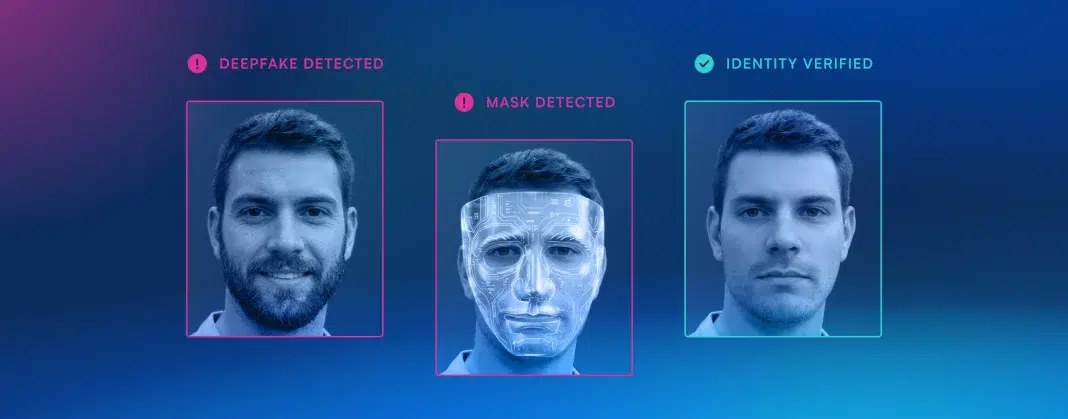
Biometric and liveness checks confirm the presence of a real person and detect deepfakes or injection attacks.
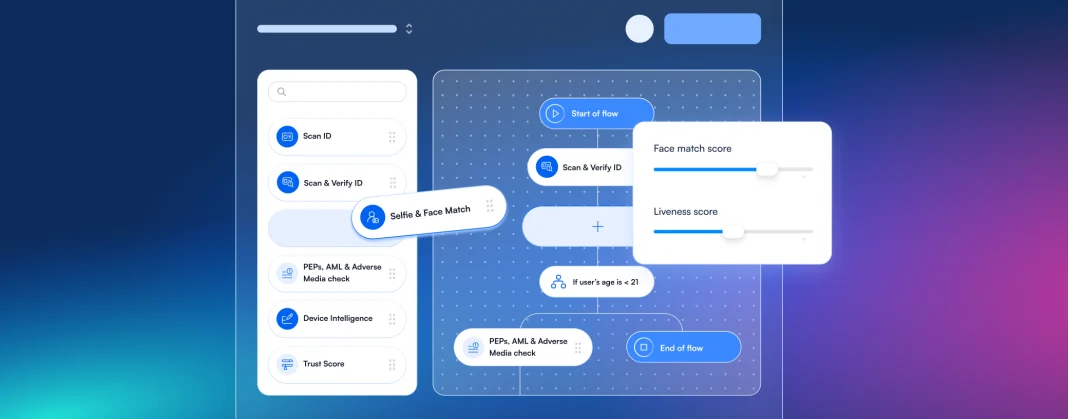
Signals across identity, device, and behavior are combined into real-time risk scoring, enabling automated approval, rejection, or step-up verification.
Key Benefits

Detect fabricated identities before they are used to open accounts or access services.

We validate ID data for accuracy and proper format, identify anomalies, and compare it against known fraud indicators.

Our models can detect tampering of facial features, alterations and compare with the standard for specific ID document types.

We detect screen and photocopy fraud on IDs and cards, and identify attempts to hijack image streams with malicious code.

Tested against a deepfake dataset backed by DHS, Microblink caught 100% of deepfakes with 0% false accepts.
Detect fabricated identities before they are used to open accounts or access services.
We validate ID data for accuracy and proper format, identify anomalies, and compare it against known fraud indicators.
Our models can detect tampering of facial features, alterations and compare with the standard for specific ID document types.
We detect screen and photocopy fraud on IDs and cards, and identify attempts to hijack image streams with malicious code.
Tested against a deepfake dataset backed by DHS, Microblink caught 100% of deepfakes with 0% false accepts.
FEATURES & FUNCTIONALITY
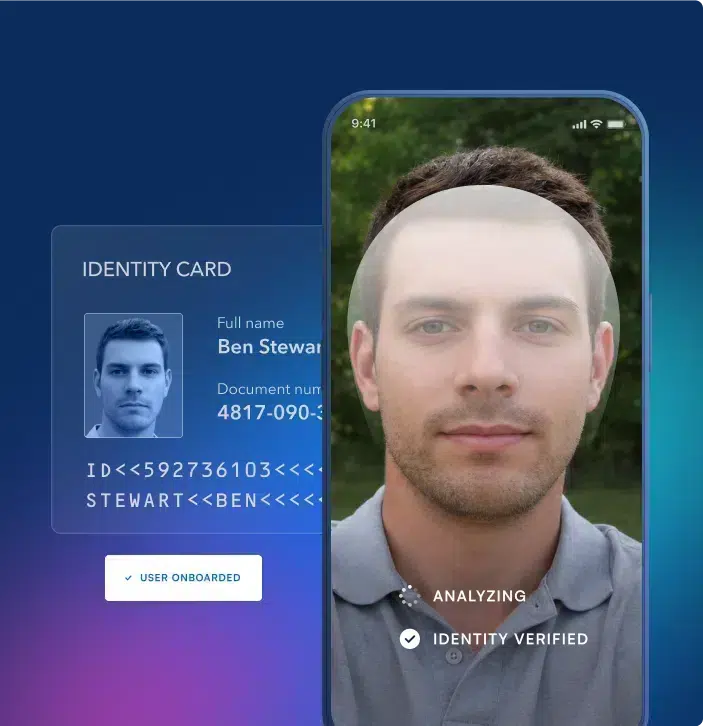
Microblink combines multiple identity signals into a single decisioning system, enabling organizations to move beyond isolated checks and toward continuous identity control. Document intelligence analyzes pixel-level details to detect tampering and synthetic generation, while biometric systems identify deepfakes and injection attacks in real time.

The platform’s Fraud Lab continuously generates and tests against new attack patterns, allowing models to adapt to emerging threats such as AI-generated identities and coordinated fraud campaigns. This ensures detection capabilities evolve as quickly as the fraud landscape itself.
By binding identity, device, and payment signals together, Microblink provides a complete view of who is acting, how they are interacting, and whether they should be trusted. Flexible APIs and SDKs allow organizations to integrate these capabilities into existing workflows, enabling automated decisioning without disrupting the user experience.
Microblink combines multiple identity signals into a single decisioning system, enabling organizations to move beyond isolated checks and toward continuous identity control. Document intelligence analyzes pixel-level details to detect tampering and synthetic generation, while biometric systems identify deepfakes and injection attacks in real time.
The platform’s Fraud Lab continuously generates and tests against new attack patterns, allowing models to adapt to emerging threats such as AI-generated identities and coordinated fraud campaigns. This ensures detection capabilities evolve as quickly as the fraud landscape itself.
By binding identity, device, and payment signals together, Microblink provides a complete view of who is acting, how they are interacting, and whether they should be trusted. Flexible APIs and SDKs allow organizations to integrate these capabilities into existing workflows, enabling automated decisioning without disrupting the user experience.
Testimonials
Discover how Microblink can help your organization detect synthetic and stolen identity fraud, reduce losses, and improve approval rates across the customer lifecycle.
Microblink was very easy to integrate and allowed us to move quickly without compromising on security or compliance.
The SDK gave us a strong plug-and-play starting point, and the Microblink team was highly responsive throughout testing and rollout.
Overall, it was a very smooth experience.
— Mathieu Hartvick
Instacart
Software Engineer and Project Lead
Banco Azteca was able to easily implement BlinkID across multiple mobile applications and use cases, whether users were trying to open a bank account or apply for a loan.
We couldn’t be more impressed with how agile and versatile it is, seamlessly integrating with our onboarding processes while delivering accurate, real-time results.
— Francisco León
Banco Azteca
IT Director
By integrating Microblink’s technology into our platform for automotive lenders across Mexico, we’ve been able to dramatically accelerate and optimize ID verification.
We’ve achieved a 98% success rate, making the entire KYC process faster, smoother, and more reliable for our business and our customers.
— Fabián Ramírez
Latin ID
Product owner
Microblink was very easy to integrate and allowed us to move quickly without compromising on security or compliance.
The SDK gave us a strong plug-and-play starting point, and the Microblink team was highly responsive throughout testing and rollout.
Overall, it was a very smooth experience.
— Mathieu Hartvick
Instacart
Software Engineer and Project Lead
Banco Azteca was able to easily implement BlinkID across multiple mobile applications and use cases, whether users were trying to open a bank account or apply for a loan.
We couldn’t be more impressed with how agile and versatile it is, seamlessly integrating with our onboarding processes while delivering accurate, real-time results.
— Francisco León
Banco Azteca
IT Director
By integrating Microblink’s technology into our platform for automotive lenders across Mexico, we’ve been able to dramatically accelerate and optimize ID verification.
We’ve achieved a 98% success rate, making the entire KYC process faster, smoother, and more reliable for our business and our customers.
— Fabián Ramírez
Latin ID
Product owner
Latest
FAQ
Have another question?
Contact our team!
Synthetic identity fraud occurs when fraudsters combine real and fabricated information to create a new identity that can pass basic verification checks and be used to open accounts or commit fraud.
Stolen identity fraud involves using real, compromised personal data without the individual’s consent, often across multiple accounts or platforms.
Microblink analyzes inconsistencies across document data, biometric signals, device behavior, and historical patterns to identify identities that do not behave like legitimate users.
Yes. Microblink uses advanced biometric and document analysis to detect deepfakes, injection attacks, and AI-generated identity artifacts.
Designed for modern digital onboarding, Microblink helps businesses prevent fraud, reduce friction, and maintain compliance without slowing down the customer experience.

We appreciate your interest in our products and will get back to you shortly.
If you want to see our demo in action and talk about your use case, feel free to book a meeting .
If you want to see our demo in action and talk about your use case, book a meeting right now.
An email has been sent to you with full booking details.
We look forward to showcasing our solutions to you soon.