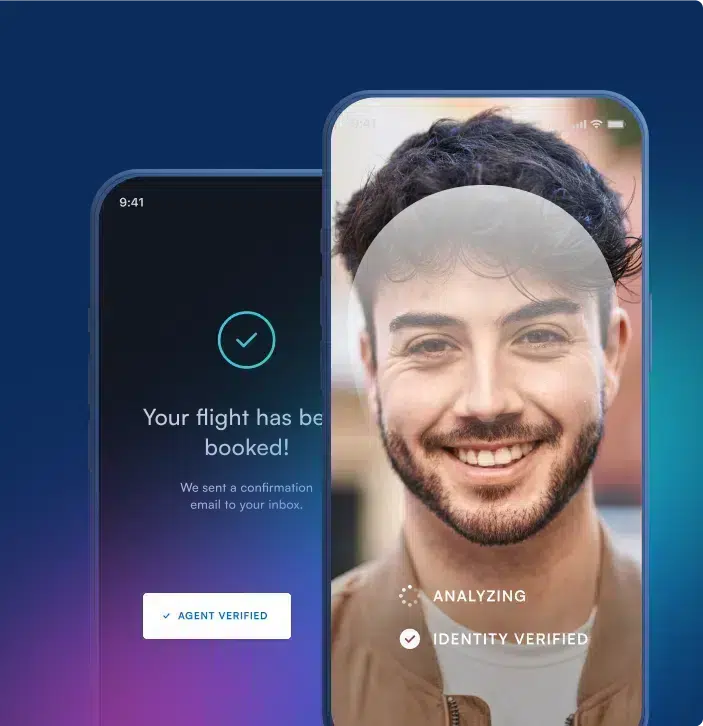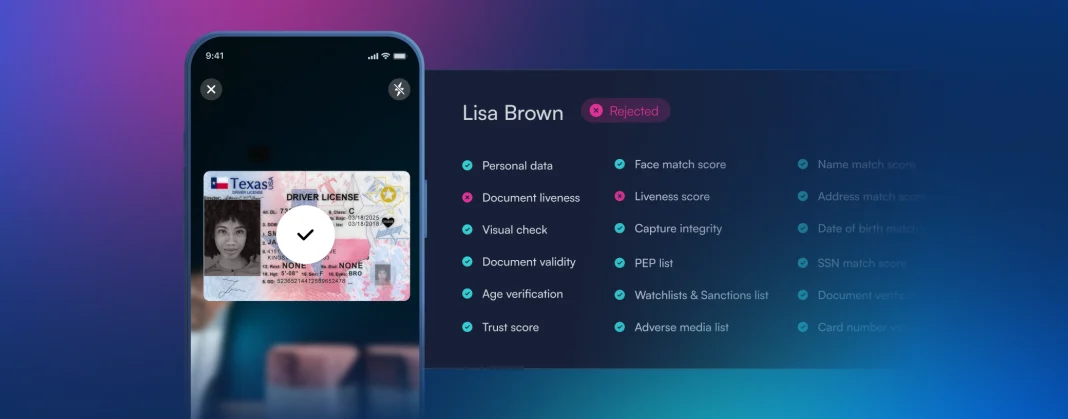

Orchestration de l'identité : un cadre unique pour le KYC, la lutte contre le blanchiment d'argent et la prévention de la fraude
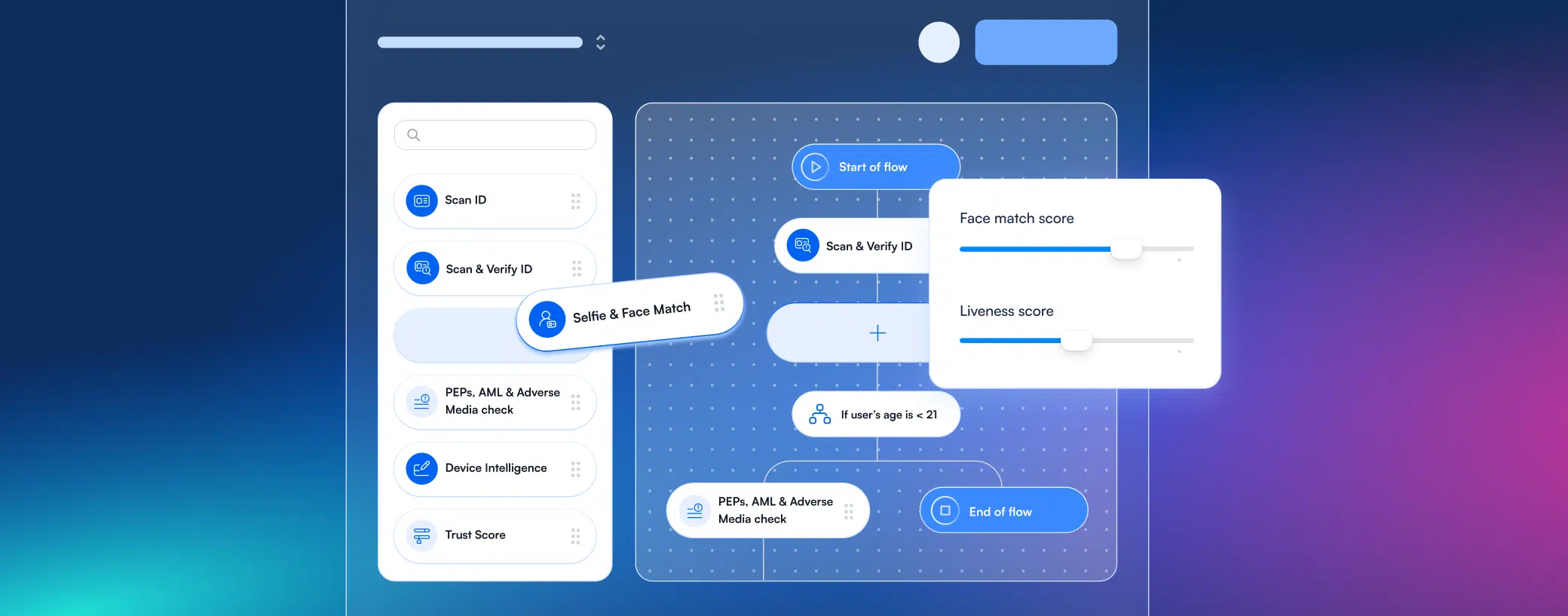

Identity verification has become far more complex than checking an ID and approving a customer. Modern onboarding journeys often involve document verification, biometrics, sanctions screening, device intelligence, watchlists, fraud detection, and compliance checks that must work together without slowing legitimate users.
The challenge is that many organizations still manage these capabilities through disconnected point solutions. Each vendor operates independently, creating fragmented workflows, inconsistent decisions, duplicated reviews, and poor customer experiences.
Identity orchestration solves this problem by coordinating every verification step within a single workflow. Rather than treating identity verification as a collection of separate tools, orchestration creates an intelligent decision engine that determines which checks to perform, when to perform them, and how to respond based on the level of risk.
What is identity orchestration?
Identity orchestration is the process of coordinating multiple identity verification, fraud prevention, and compliance services through a centralized workflow. It allows organizations to automate onboarding while dynamically adapting verification requirements based on customer risk, regulatory obligations, and business policies.
Instead of forcing every customer through the same verification process, an orchestration platform evaluates available signals in real time and determines the most efficient path forward. Low-risk customers may complete onboarding with minimal friction, while higher-risk applicants automatically receive additional verification steps.
The result is faster onboarding, stronger fraud detection, and more consistent compliance.
Core components of an effective identity orchestration platform
A strong identity orchestration platform combines several capabilities into one coordinated system:
- Decision engine: Applies business rules, risk policies, and dynamic workflows based on customer signals.
- Identity verification: Verifies government-issued IDs, passports, driver’s licenses, and supporting documents.
- Biometric authentication: Confirms that the individual presenting an identity document is the legitimate owner.
- Fraud intelligence: Detects synthetic identities, document tampering, presentation attacks, and behavioral anomalies.
- Compliance services: Performs KYC, AML, sanctions, PEP, and watchlist screening.
- Vendor connectors: Integrates third-party services while allowing organizations to route transactions dynamically based on geography, performance, or business requirements.
- Audit and reporting: Maintains a complete record of every decision to support regulatory audits and investigations.
How identity orchestration simplifies KYC and AML compliance
KYC and AML requirements often involve multiple independent verification steps. Organizations must verify identity, screen against sanctions and politically exposed persons lists, validate supporting documents, and maintain detailed audit records.
Without orchestration, these checks frequently occur across disconnected systems, increasing operational complexity and slowing customer onboarding.
Identity orchestration automates these processes within a single workflow. Verification results flow directly into compliance screening, while risk scores determine whether additional documentation or manual review is necessary. Every decision is recorded automatically, simplifying regulatory reporting while reducing manual effort.
How secure identity orchestration improves fraud prevention
Modern fraud rarely relies on a single attack technique. Fraudsters combine synthetic identities, AI-generated documents, stolen credentials, account takeovers, and social engineering within the same customer journey.
Secure identity verification orchestration connects fraud signals across every verification step instead of evaluating each one independently.
For example, an orchestration engine may combine:
| Fraud signal | Example response |
|---|---|
| Document verification | Detect document tampering or forgery |
| Face biometrics | Confirm the applicant matches the ID |
| Device intelligence | Identify unfamiliar or high-risk devices |
| Behavioral analysis | Detect abnormal interaction patterns |
| Step-up verification | Trigger additional biometric verification when confidence decreases |
This layered approach allows organizations to increase fraud detection while minimizing unnecessary friction for legitimate customers.
Why integrated platforms outperform fragmented identity stacks
Many organizations add new fraud tools over time without redesigning their overall workflow. The result is overlapping vendors, duplicated identity checks, inconsistent risk decisions, and disconnected customer data.
An integrated identity orchestration platform eliminates these silos by sharing verification results across every stage of the customer journey.
Instead of repeating identity verification for every new interaction, organizations build a persistent view of the customer that combines identity, biometric, behavioral, and fraud intelligence into a single decision framework. This reduces operational costs while producing more consistent and explainable outcomes.
Identity orchestration use cases
Identity orchestration supports a wide range of digital identity workflows across industries, including:
- Customer onboarding for banks and fintechs
- Marketplace seller verification
- Gig economy worker onboarding
- Digital account opening
- Age verification
- Account recovery
- High-value transaction approval
- Business verification
- Continuous authentication for existing customers
Each workflow can apply different verification policies while sharing the same underlying identity intelligence.
Improving onboarding speed and customer experience
One of the biggest advantages of identity orchestration is its ability to improve both security and conversion.
Rather than treating every applicant identically, Microblink’s platform optimize each journey in real time. Retry logic helps customers recover from capture errors, fallback routing automatically selects alternative verification providers when necessary, and step-up verification is reserved for situations where additional confidence is actually required.
The result is faster onboarding, higher pass rates, lower abandonment, and fewer manual reviews without weakening fraud controls.
Building the future of digital identity
Identity verification is no longer about selecting the best document scanner or biometric engine. Success depends on how well every verification capability works together.
Identity orchestration provides the framework for combining identity verification, biometrics, compliance screening, fraud intelligence, and business decisioning into a single adaptive workflow. As fraud becomes more sophisticated and regulatory expectations continue to evolve, organizations that coordinate identity decisions across the entire customer lifecycle will be better positioned to reduce fraud, simplify compliance, and deliver a seamless customer experience.