
The Hidden Costs of Chargebacks: How Fraud Can Impact Your Bottom Line

Understanding the True Cost of Chargebacks for Businesses
For technical executives managing payment processes, chargebacks aren’t just an inconvenience—they represent a substantial financial risk that can impact a company’s bottom line. According to a study by LexisNexis, for every $1 lost to fraud, businesses can actually incur up to $4.41 in total costs.
These hidden costs include chargeback fees, labor for managing disputes, and higher processing rates due to elevated risk profiles. Understanding the full scope of these expenses is critical for managing risk and optimizing payment strategies.
What Are Chargebacks and Why Do They Matter?
Chargebacks are essentially reversed transactions initiated by cardholders through their banks, often due to fraud, unauthorized transactions, or customer disputes. For many businesses, particularly those operating in e-commerce or digital payments, chargebacks are a significant pain point. While the direct financial loss from a fraudulent transaction might seem small, the indirect costs of handling chargebacks are far more damaging. Here’s why:
- Chargeback Fees: Payment processors often charge fees for each chargeback, which can range from $20 to $100 or more. These fees are non-recoverable, even if the merchant successfully disputes the chargeback.
- Operational Costs: Handling chargebacks requires time and resources, from investigating the claims to preparing documentation for disputes. This labor-intensive process diverts focus from more strategic activities.
- Increased Processing Rates: High chargeback ratios can signal elevated risk to banks and payment networks, leading to higher processing rates or even a reclassification as a high-risk merchant, which drives up costs across all transactions.
The True Cost of Fraud: Breaking Down the $4.41 Per Dollar
The LexisNexis True Cost of Fraud Study reveals that each dollar lost to fraud has a ripple effect, ultimately costing businesses up to $4.41.
But what does this figure include?
- Fraud Losses: This is the initial amount lost due to a fraudulent transaction, whether through card-not-present (CNP) fraud or other methods.
- Chargeback Fees: When a fraudulent transaction is reported, banks and payment processors impose chargeback fees on businesses, adding to the direct loss.
- Administrative Costs: Investigating and disputing a chargeback takes time and labor, often requiring coordination between departments like customer support, finance, and legal.
- Higher Transaction Costs: A high volume of chargebacks can result in higher interchange fees, as payment processors may categorize businesses as high-risk.
This multiplier effect of fraud costs means that what appears to be a minor issue can quickly become a major financial burden for businesses.
How to Reduce the Cost of Chargebacks with Advanced Technology
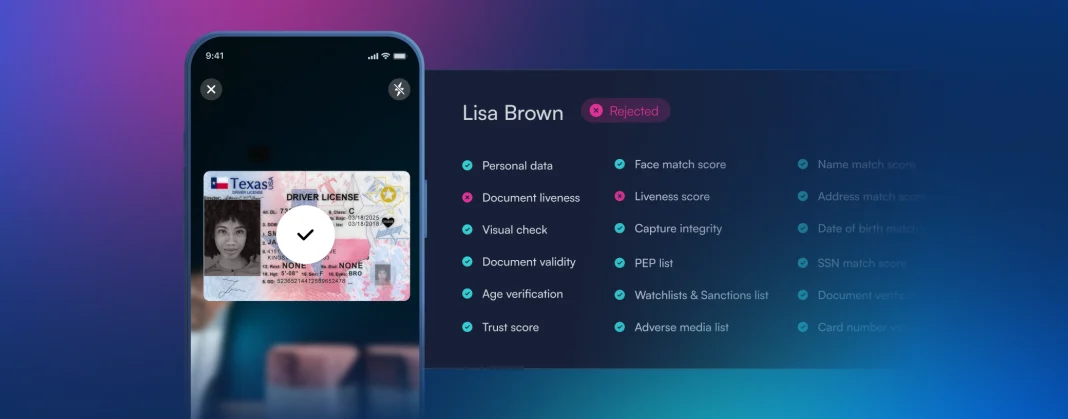
For businesses looking to reduce the impact of chargebacks and associated costs, technology like BlinkCard’s Liveness Detection can play a pivotal role. By evaluating the physical presence of a card during transactions, Liveness Detection reduces the risk of card-not-present fraud, which is a primary cause of chargebacks.
- Verify Physical Card Presence: Liveness Detection uses advanced algorithms to check that a card is physically present during a transaction, reducing the chances of fraudulent use.
- Minimize Disputes: By reducing fraudulent transactions, businesses can significantly cut down on the volume of chargebacks they face, which translates directly into lower fees and administrative costs.
- Enhance Customer Trust: Offering a more secure payment process helps build trust with customers, reducing the likelihood of disputes and improving customer retention.
Why Technical Executives Should Prioritize Chargeback Reduction
For CFOs, CTOs, and other technical leaders, reducing the true cost of chargebacks should be a priority. Not only does it protect margins and cash flow, but it also enables businesses to negotiate better rates with payment processors, improve customer satisfaction, and reduce operational burdens.
Investing in fraud prevention technologies like credit card liveness detection provides a scalable way to mitigate risks while maintaining seamless payment processes. As chargebacks continue to rise, having a robust fraud prevention strategy is no longer optional—it’s a necessity for protecting your bottom line.
The Hidden Impact of Chargebacks on Business Finances
While chargebacks may seem like a small issue in the broader context of payment operations, their hidden costs can have a significant impact on a company’s financial health. By understanding the true cost of fraud and implementing solutions like card liveness detection, businesses can not only reduce losses but also improve the overall efficiency and security of their payment systems.
For companies looking to stay ahead of fraud while maintaining compliance, BlinkCard’s technology offers a way to minimize chargebacks, lower dispute-related costs, and keep payment processes running smoothly.