Harness the next generation of adaptive, self-directing AI to outpace evolving threats—detect deepfakes, prevent synthetic identity fraud, and automate KYC/AML compliance at scale. Future-proof your financial infrastructure with agentic AI systems engineered for real-time risk mitigation, seamless onboarding, and global regulatory alignment.








IDs processed every month
countries supported for verifying identities
to capture and extract data
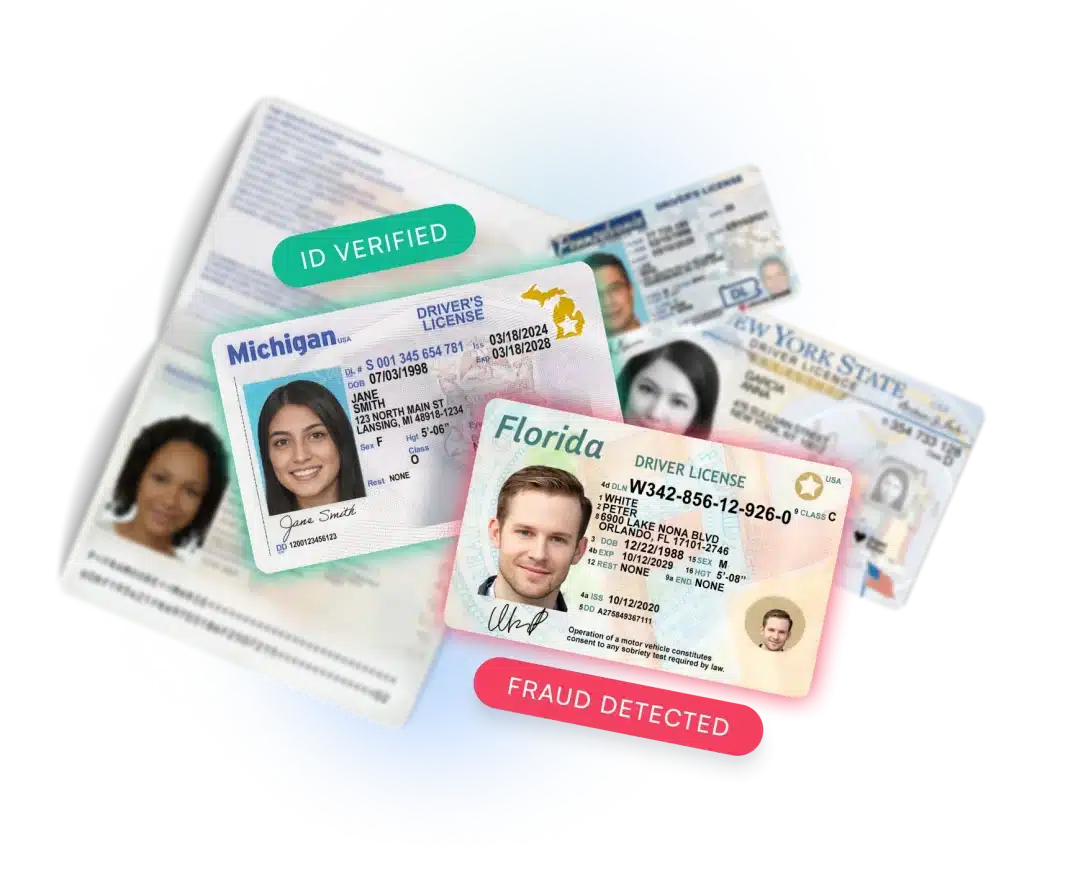
Safeguard your financial assets and customer trust with our cutting-edge Agentic AI, designed to proactively combat the most sophisticated fraud. This autonomous system continuously learns and adapts, neutralizing emerging threats like deepfakes and synthetic identities in real-time.
Our proprietary KYA (Know Your Agent) technology analyzes dynamic behavioral signals and biometric data, providing instant, intelligent risk assessments. This ensures superior protection against evolving fraud vectors, significantly reducing financial exposure.
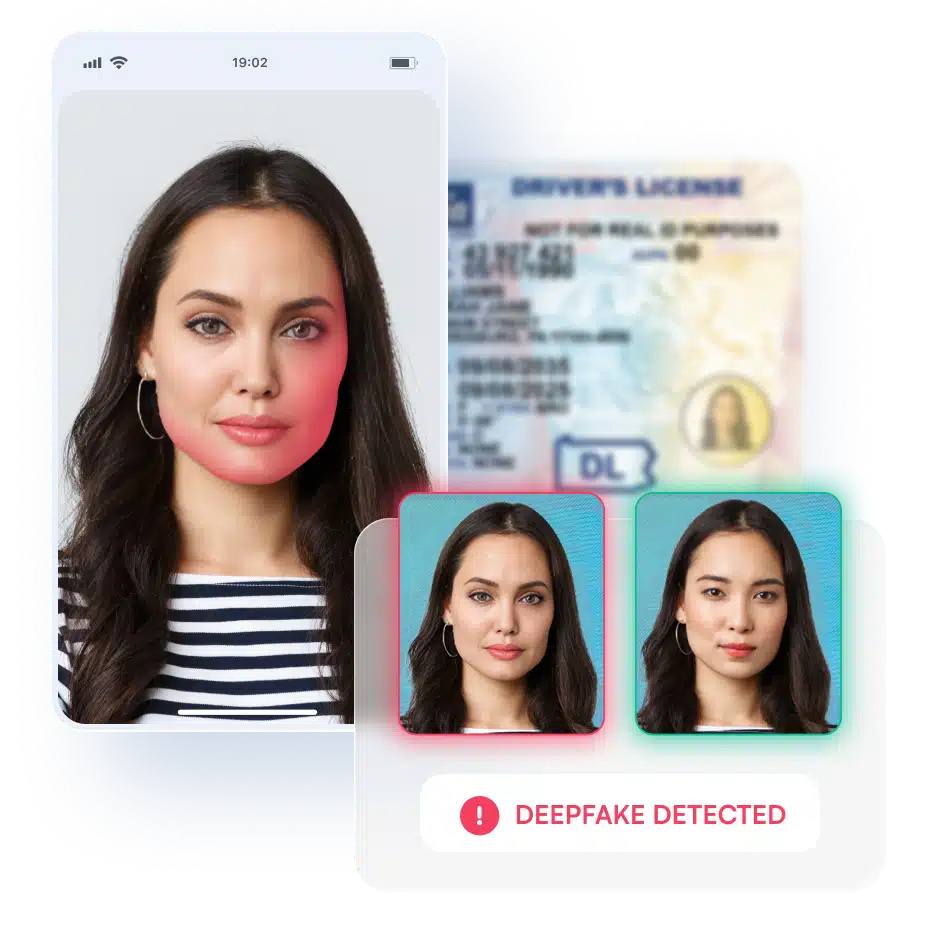

Microblink’s agentic AI proactively identifies and neutralizes sophisticated fraud like deepfakes and synthetic identities, safeguarding financial assets with self-evolving defense mechanisms.
This adaptive capability ensures continuous protection against emerging threats that bypass traditional security protocols.

Our agentic AI streamlines KYC/AML processes, autonomously verifying identities and documents in seconds to drastically reduce onboarding friction and ensure regulatory adherence.
This enables rapid customer acquisition while maintaining robust compliance and preventing fraud at the first touchpoint.

Microblink’s agentic AI continuously monitors transactions and behavioral patterns, autonomously adapting risk profiles and flagging suspicious activities for proactive intervention.
This ensures real-time compliance with evolving regulations, minimizing financial penalties and operational overhead.

First Abu Dhabi Bank partners with Microblink to accelerate ID scanning during KYC verification.

Discover how Attain is transforming the consumer-permissioned future with BlinkReceipt.

Discover how BlinkID revolutionized Jurat’s user experience and contributed to their success in the digital notary industry.

Quick and accurate ID verification, ensuring a seamless and secure registration process

Meet regulatory requirements with ID document verification and non-documentary signals


Verify identity and prevent unauthorized transactions through secure document scanning

Detect stolen or synthetic identities with precision and verify IDs to prevent fraudulent account creation and transactions

Ensure compliance and prevent underage access by instantly verifying customer ages through secure ID scanning

With 12 years of expertise in computer vision R&D, Microblink has been at the forefront of AI-driven identity verification, continuously innovating to deliver fast and accurate solutions.

We pioneered AI-driven identity verification, setting the standard for fast, secure, and accurate ID scanning solutions.

We develop our AI in-house, using proprietary data and a dedicated team of machine learning specialists to ensure unmatched accuracy and performance in identity verification.
With 12 years of expertise in computer vision R&D, Microblink has been at the forefront of AI-driven identity verification, continuously innovating to deliver fast and accurate solutions.
We pioneered AI-driven identity verification, setting the standard for fast, secure, and accurate ID scanning solutions.
We develop our AI in-house, using proprietary data and a dedicated team of machine learning specialists to ensure unmatched accuracy and performance in identity verification.
Agentic AI refers to autonomous, self-directing AI systems that can proactively make decisions, adapt to new threats, and optimize workflows with minimal human intervention. Unlike traditional AI, which relies on static models and pre-defined rules, agentic AI continuously learns from new data, identifies emerging fraud patterns such as deepfakes and synthetic identities, and autonomously updates its detection strategies. This adaptability is particularly important in financial services, where fraud techniques and regulatory requirements evolve rapidly.
Agentic AI uses advanced machine learning, deep learning, and behavioral biometrics to identify subtle anomalies associated with deepfakes and synthetic identities. It autonomously correlates signals across multiple data sources, analyzes biometric and behavioral indicators in real time, and continuously refines its detection models as new fraud tactics appear. This enables the system to identify sophisticated fraud attempts that static rule-based or manual review processes often fail to detect.
Agentic AI platforms must be built with compliance by design, supporting regulatory frameworks such as AML, KYC, GDPR, SOC 2, and ISO 27001. Key requirements include comprehensive audit trails, explainable AI-driven decisions, data minimization, and privacy-by-design principles. The platform should also support configurable workflows to accommodate regulatory changes and provide transparent reporting for internal and external audits.
Most agentic AI solutions offer flexible integration through RESTful APIs, SDKs, and no-code or low-code platforms. Integration typically involves connecting the AI system to onboarding, transaction monitoring, and case management workflows. Technical requirements include secure data pipelines, real-time data access, and compatibility with both cloud-based and on-premise environments. Strong vendor documentation, developer support, and sandbox environments are critical for efficient implementation.
Agentic AI platforms are designed with robust security controls, including end-to-end encryption, strict access controls, and options for on-device or localized processing to limit data exposure. They comply with data protection regulations such as GDPR and undergo regular third-party security audits (e.g., SOC 2 and ISO 27001). Configurable data retention policies and anonymization techniques further ensure sensitive customer information is protected throughout the fraud prevention and compliance lifecycle.
Organizations typically experience meaningful ROI through reduced manual review effort, faster onboarding times, and lower false positive rates. Agentic AI can reduce time-to-verification by up to 70%, lower fraud losses, and improve customer satisfaction. Quantifiable benefits include automation-driven cost savings, increased operational throughput, and reduced compliance risk. Many vendors also provide case studies and ROI calculators to help model expected outcomes based on transaction volumes and risk profiles.

AI didn't just make fraud faster. It made it a system. We analyzed millions of identity interactions to map how identity attacks are evolving across regions, attack types, and sophistication levels — and what organizations need to rethink to keep pace.
See the Data