
Bank Document Verification: Stop Fraud While Meeting KYC Compliance Requirements

Bank document verification used to be a checkpoint. Now it’s a battlefield.
Compliance teams are under pressure from every direction. Regulators demand airtight KYC and AML processes. Fraudsters are producing increasingly convincing forged bank statements and synthetic identities. Meanwhile, customers expect onboarding to feel like opening a music app, not applying for a mortgage in 1997.
This is where modern bank document verification becomes critical. Not as a standalone step, but as part of a continuous identity strategy.
What Is Bank Document Verification?
Bank document verification is the process of validating financial documents such as:
- Bank statements
- Proof of address documents
- Income verification records
The goal is simple in theory: confirm that the document is legitimate and belongs to the person submitting it.
In practice, it involves multiple layers:
- Extracting data from the document
- Checking for signs of tampering or forgery
- Matching the document to a verified identity
- Validating consistency across other data points
Done right, it prevents fraud. Done poorly, it either lets fraud through or blocks legitimate users.
How Bank Document Verification Works (End-to-End)
Think of the process as a relay race where every step hands off trust to the next.
1. Document Capture
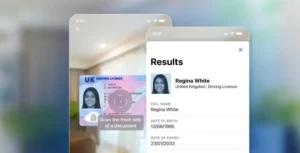
Users upload or scan a bank document via mobile or web.
Modern systems optimize for:
- Real-time feedback (blur detection, glare warnings)
- Mobile-first capture
- Edge processing for speed and privacy
2. OCR and Data Extraction
Optical Character Recognition (OCR) extracts key data points:
- Name
- Address
- Account details
- Transaction history
The challenge isn’t extraction, it’s accuracy across wildly inconsistent document formats.
3. Document Analysis
This is where fraud detection begins:
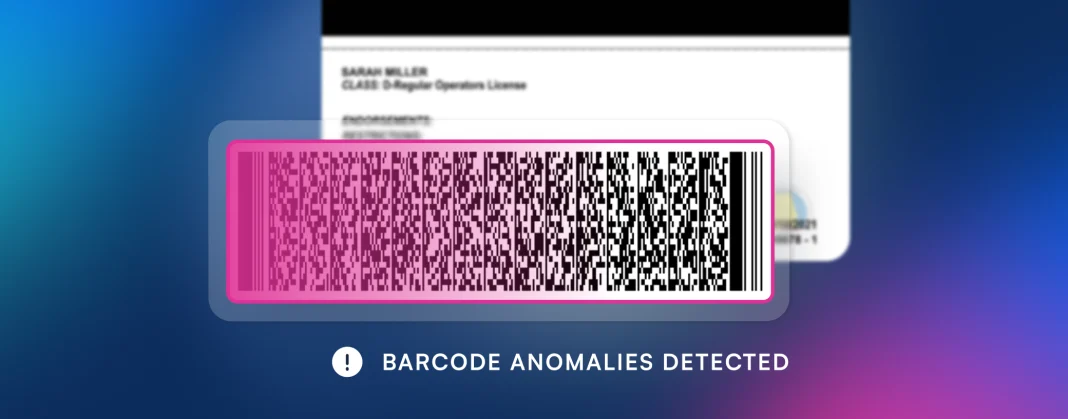
- Detecting edits, overlays, or inconsistencies
- Identifying synthetic or AI-generated elements
- Verifying layout and structure against known templates
4. Identity Matching
The extracted data is matched against:
- Government-issued ID data
- Customer-provided information
- Other onboarding signals
5. Risk Scoring and Decisioning
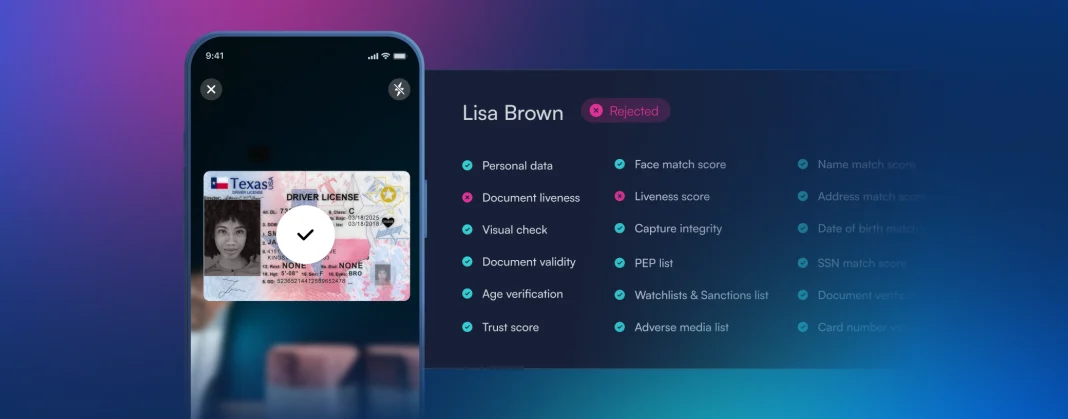
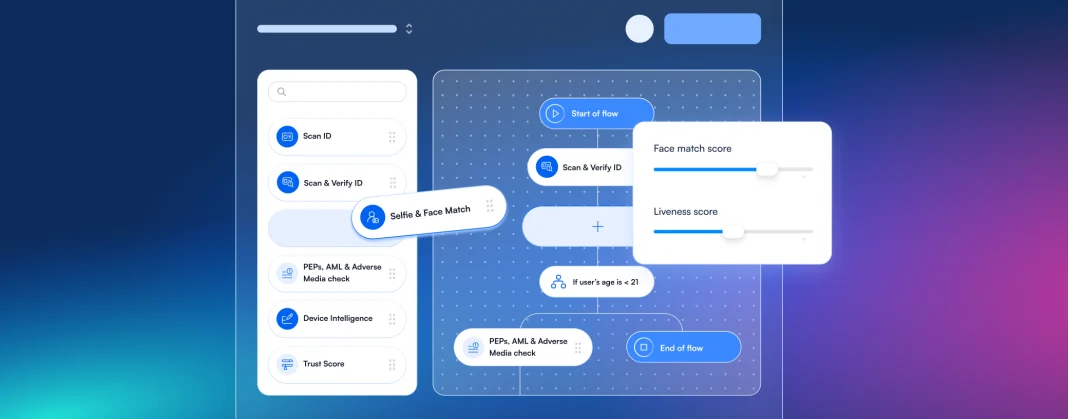
All signals feed into a decision engine:
- Approve
- Flag for review
- Reject
Modern systems don’t rely on a single check. They combine multiple signals into a unified risk score.
Best Methods for Verifying Bank Documents (And When to Use Them)
There’s no single “best” method. The strongest systems combine several.
1. Document Analysis (First Line of Defense)
Detects:
- Forged PDFs
- Edited transaction lines
- Layout inconsistencies
Best for: catching basic and mid-level fraud
2. Issuer and Data Validation
Cross-checks:
- Bank names
- Account formats
- Data consistency
Best for: ensuring document plausibility
3. Identity Correlation
Matches document data with:
- Government ID
- Known identity records
Best for: stopping synthetic identity fraud
4. Biometric Verification
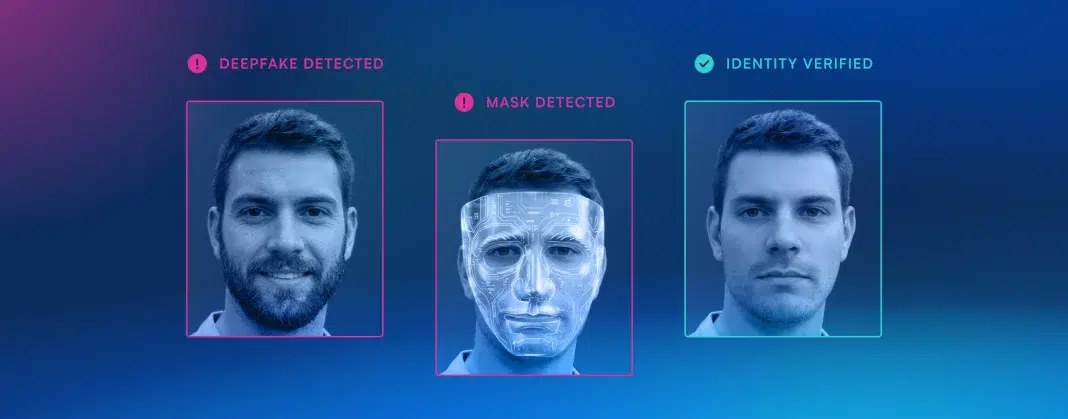
Uses face matching and liveness detection to confirm:
- The user is real
- The user matches the identity
Best for: reducing impersonation and account takeover
5. Behavioral and Contextual Signals
Analyzes:
- Device data
- Submission patterns
- Session behavior
Best for: catching coordinated or automated attacks
How to Prevent Fraud Without Increasing False Positives
This is where most compliance teams struggle.
Tighten controls too much, and you block legitimate users. Loosen them, and fraud slips through.
The solution isn’t stricter rules. It’s better signal orchestration.
Modern verification systems:
- Combine document, biometric, and behavioral signals
- Use AI to detect subtle anomalies humans miss
- Continuously learn from new fraud patterns
I
Why Microblink
Microblink approaches bank document verification differently.
Instead of treating it as a standalone check, it’s part of an Identity Intelligence OS designed to continuously assess trust across the customer lifecycle.
This includes:
- Document-agnostic understanding of bank statements and financial documents
- On-device capture and analysis for speed and privacy
- AI-driven automation that reduces manual review
- Unified decisioning across document, biometric, and behavioral signals
The result is faster onboarding, stronger fraud detection, and compliance that doesn’t get in the way.