
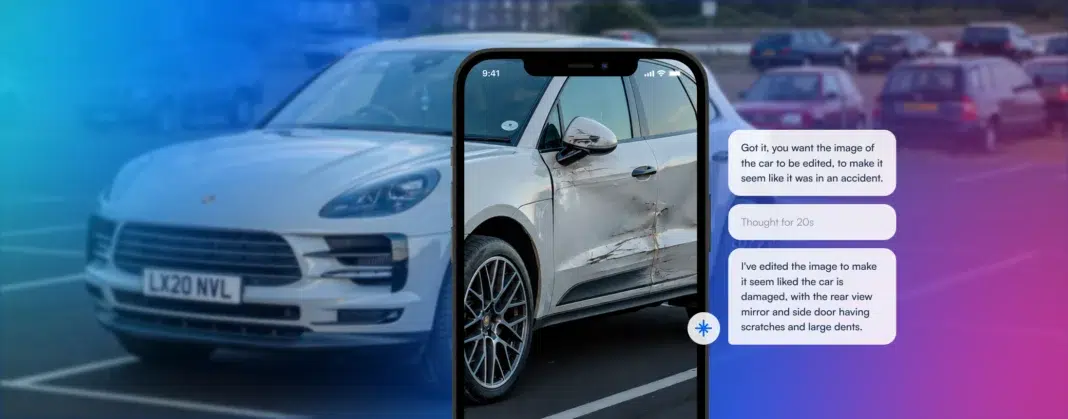
Generative AI has made it possible to create convincing photographs of events that never happened, documents that never exist...
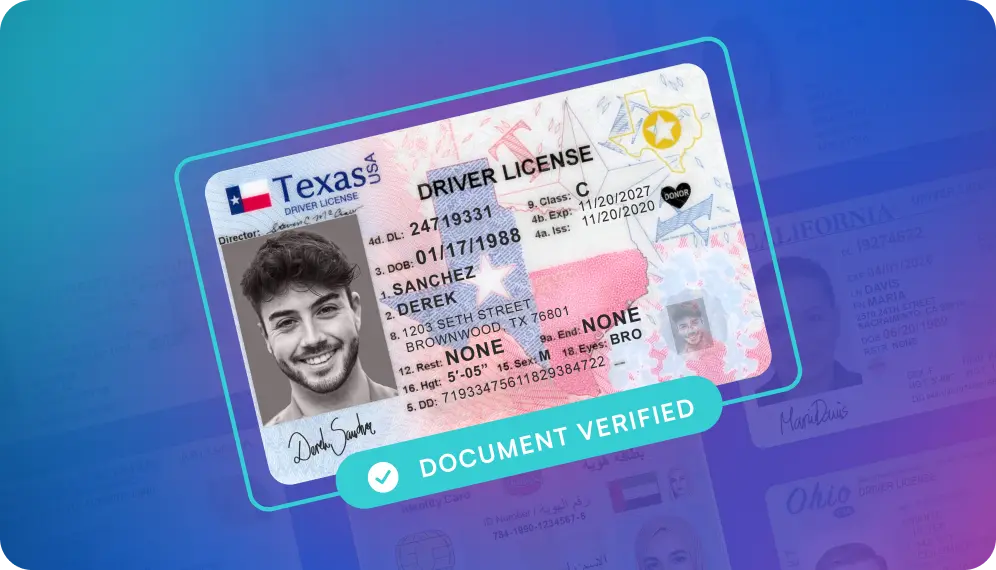
Only one of seven commercial document validation systems evaluated by the U.S. Department of Homeland Security (DHS) met all...
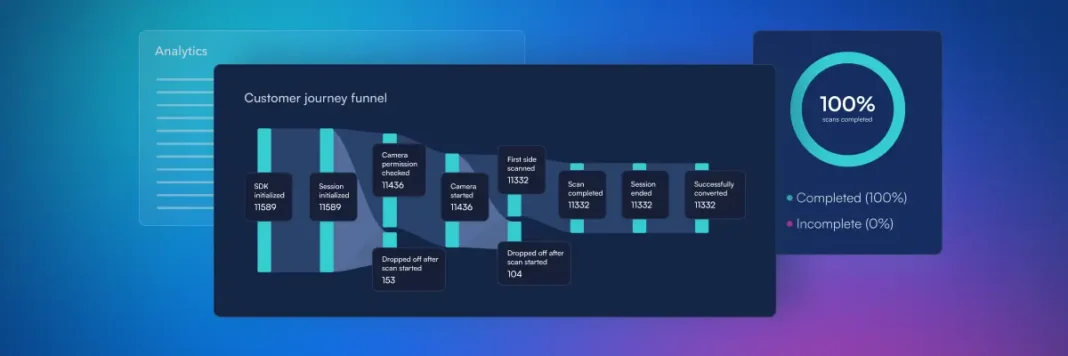
Traditionally, identity verification teams have measured success primarily through accuracy, fraud detection rates and proces...

AI agents introduce a new wrinkle into digital trust: a legitimate user can direct a legitimate agent to take an action that...

El fraude en los pagos no solo está aumentando, sino que además está evolucionando. Lo que antes eran ataques aislados, ahora...
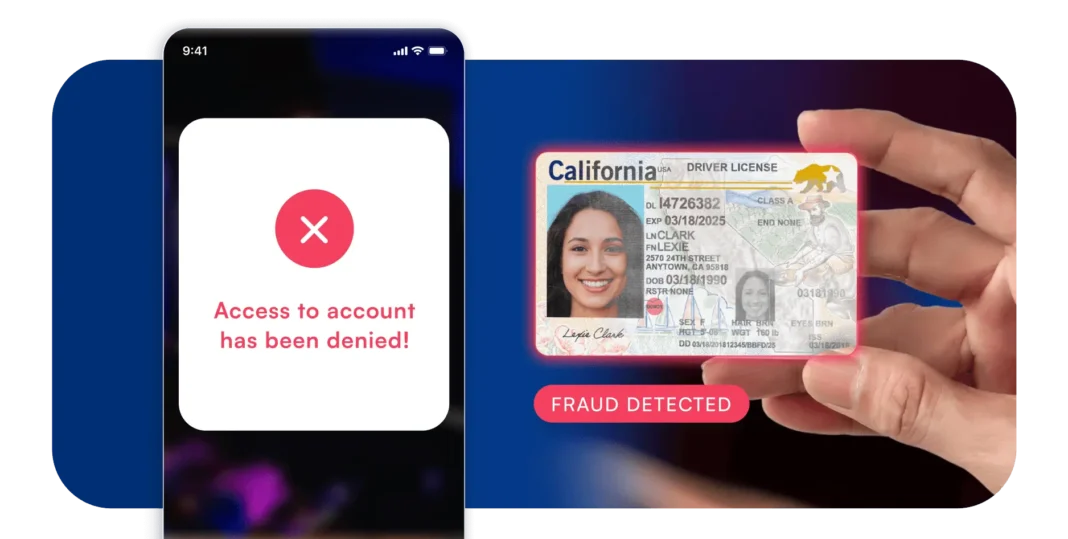
Deepfake detection has moved from an abstract security concern to a frontline risk priority. As synthetic media attacks grow...

La inteligencia artificial está transformando el panorama del fraude, aunque no siempre de la forma que sugieren los titulare...
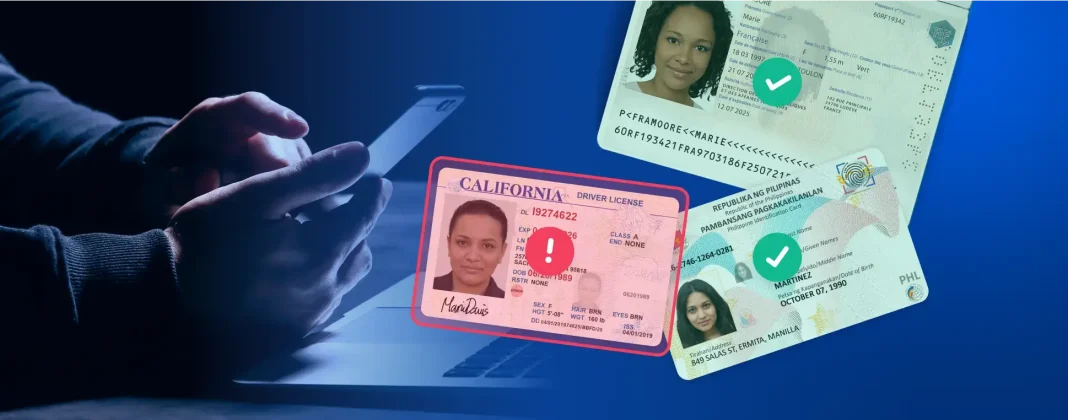
La inteligencia artificial se ha convertido en una especie de arma de doble filo para quienes nos dedicamos a la lucha contra...
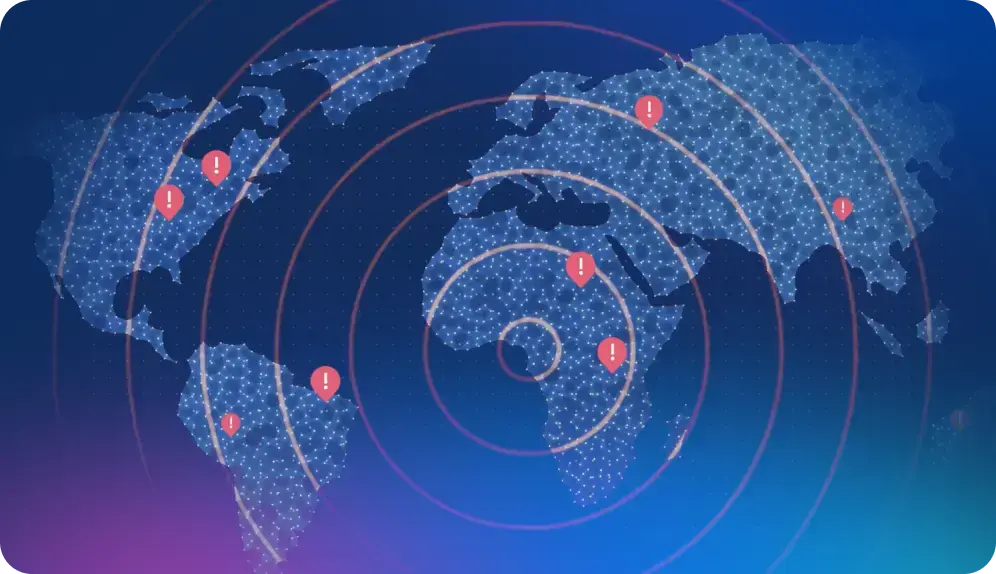
La IA no solo ha acelerado el fraude, sino que lo ha convertido en un sistema. Hemos analizado millones de interacciones relacionadas con la identidad para trazar un mapa de cómo están evolucionando los ataques a la identidad en las distintas regiones, según los tipos de ataque y los niveles de sofisticación, y qué deben replantearse las organizaciones para mantenerse al día.
Ver los datos