الوقاية من الاحتيال عبر القنوات غير الشخصية (CNP): المخاطر والحلول وأفضل الممارسات


Card-not-present (CNP) fraud remains one of the most damaging and fast-growing threats in the digital payments ecosystem. Criminals use stolen or synthetic card information to make online purchases without the cardholder’s authorization, often leaving businesses on the hook.
يمكن أن تكون هذه المعاملات الاحتيالية مكلفة للشركات والأفراد المستهدفين بالمخطط. ولهذا السبب من الضروري تنفيذ إجراءات قوية ومرنة لمنع الاحتيال للتخفيف من الضرر الذي يمكن أن تسببه.
ما هو الاحتيال CNP؟
CNP fraud occurs whenever a purchase is made without the physical card being present. This includes online, mobile, or phone transactions where a fraudster uses stolen card data, such as the card number, expiration date, and CVV, to complete an unauthorized purchase.
Because these transactions don’t rely on physical verification, CNP fraud prevention depends entirely on digital defenses like strong authentication, transaction monitoring, and identity verification.
Common types of CNP and online payment fraud include:
- Stolen card data through phishing, malware, or database breaches
- Identity theft used to open or access accounts under false pretenses
- Synthetic identities blending real and fake details to evade verification
- False declines, where legitimate users are mistakenly flagged as suspicious
Unlike card-present fraud, where a counterfeit or stolen physical card is used, CNP fraud can be launched from anywhere in the world, making it more scalable and harder to trace.
كيف يعمل الاحتيال CNP
A typical CNP fraud scheme begins with attackers acquiring the means to use a credit card. This may mean stealing the physical card itself. Or in many cases, cybercriminals simply retrieve the cardholder’s name and the card number, expiration date, and card verification value (CVV).
وبعد ذلك، بمجرد حصول المهاجمين على معلومات البطاقة، يستخدمونها في عملية شراء.
على سبيل المثال، قد يقوم مجرمو الإنترنت بجمع مئات أو آلاف من معلومات بطاقة الائتمان الخاصة بالمستخدمين. وبعد ذلك، قد يقومون بعمليات شراء صغيرة بشكل متقطع مع مجموعة فرعية مختارة منهم فقط لتجنب اكتشافهم.
Vulnerabilities leading to CNP fraud include permeable firewalls and weak or outdated access control protections. Cybercriminals who get their hands on individuals’ account information through targeted social engineering campaigns can use it to launch further fraud.
Why CNP Fraud is Rising
The global shift to eCommerce, mobile wallets, and digital banking has created more convenience for consumers, but also more opportunities for fraudsters. Since these transactions can’t rely on physical safeguards like EMV chips, merchants and payment processors must depend on layered CNP fraud prevention systems to verify users and detect anomalies in real time.
Some key drivers behind rising CNP fraud include:
- Explosive growth in online transactions and cross-border payments
- Incomplete authentication flows, especially on mobile channels
- Social engineering and phishing attacks that expose credentials
- Inconsistent fraud rules across payment gateways or systems
Without continuous monitoring and AI-driven risk scoring, organizations risk falling behind sophisticated criminal networks that adapt faster than traditional systems can respond.
Common CNP Fraud Attack Methods
Effective CNP fraud detection & prevention requires a combination of technologies and best practices that protect both merchants and consumers. Some of the most effective techniques include:
- 3D Secure 2.0 (3DS2) – Adds an authentication layer at checkout, confirming the cardholder’s identity with minimal friction.
- Multi-factor authentication (MFA) – Combines passwords, one-time codes, and biometrics to ensure only legitimate users gain access.
- Behavioral analytics – Uses AI to learn customer behavior and flag anomalies like unusual purchase patterns or device changes.
- Tokenization – Replaces sensitive card details with randomized tokens, minimizing exposure even if systems are compromised.
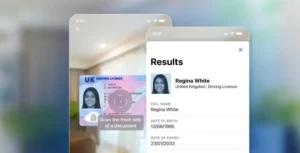
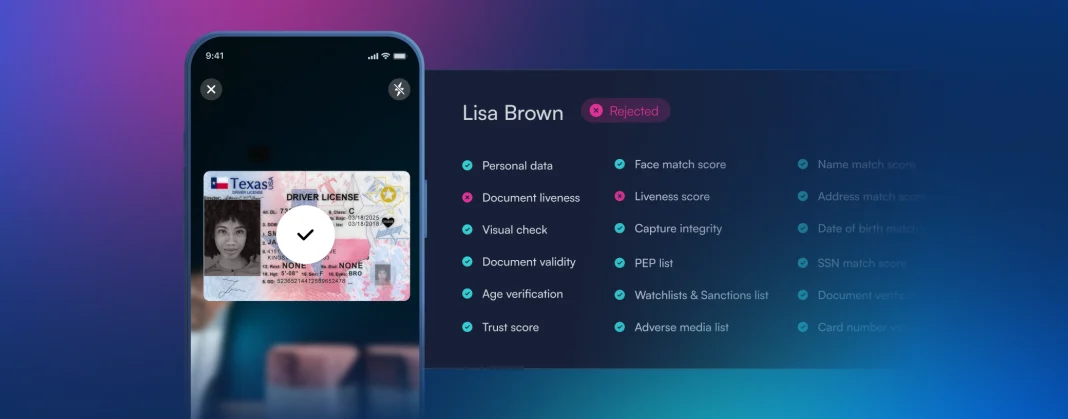
- AI-powered identity verification – Platforms like Microblink’s use machine learning to detect inconsistencies in ID documents, faces, and transaction data in real time.
Businesses should also maintain compliance with security standards such as PCI DSS, which mandates strong encryption, data storage controls, and vulnerability monitoring. In the EU, PSD2’s Strong Customer Authentication (SCA) adds another layer of defense through mandatory MFA for online transactions.
CNP Fraud Prevention Best Practices
To effectively prevent card-not-present fraud while maintaining user trust and regulatory compliance, risk management teams should adopt these CNP fraud prevention best practices:
- 3D Secure 2.0 (3DS2) – Adds an authentication layer at checkout, confirming the cardholder’s identity with minimal friction.
- Multi-factor authentication (MFA) – Combines passwords, one-time codes, and biometrics to ensure only legitimate users gain access.
- Behavioral analytics – Uses AI to learn customer behavior and flag anomalies like unusual purchase patterns or device changes.
- Tokenization – Replaces sensitive card details with randomized tokens, minimizing exposure even if systems are compromised.
- AI-powered identity verification – Platforms like Microblink’s use machine learning to detect inconsistencies in ID documents, faces, and transaction data in real time.
Businesses should also maintain compliance with security standards such as PCI DSS, which mandates strong encryption, data storage controls, and vulnerability monitoring. In the EU, PSD2’s Strong Customer Authentication (SCA) adds another layer of defense through mandatory MFA for online transactions.
Business Impact and Liability
CNP fraud is expensive. According to industry estimates, it accounted for 73% of all card payment fraud in 2023, leading to nearly $9.5 billion in losses. Costs for businesses include:
- Chargebacks – When a transaction is disputed and reversed, the merchant loses the sale and pays additional fees.
- Increased operational costs – Fraud investigations and prevention tools require ongoing investment.
- Reputational harm – Customers who experience fraud may lose trust in the business.
Under most circumstances, it is merchants that bear the liability for fraudulent CNP transactions, making CNP fraud prevention a direct business priority.
The Future of CNP Fraud Prevention
While the risks are high, CNP transactions remain the backbone of eCommerce due to their speed and convenience. The most successful businesses will be those that strike the right balance between frictionless checkout experiences and robust fraud prevention measures.
Microblink helps businesses achieve exactly that. Using AI-powered identity verification, BlinkCard technology, and advanced fraud detection features like Screen Detection, Photocopy Detection, and Hand Detection, we help merchants reduce CNP fraud by up to 95%.
Explore how Microblink can strengthen your CNP fraud prevention strategy today.