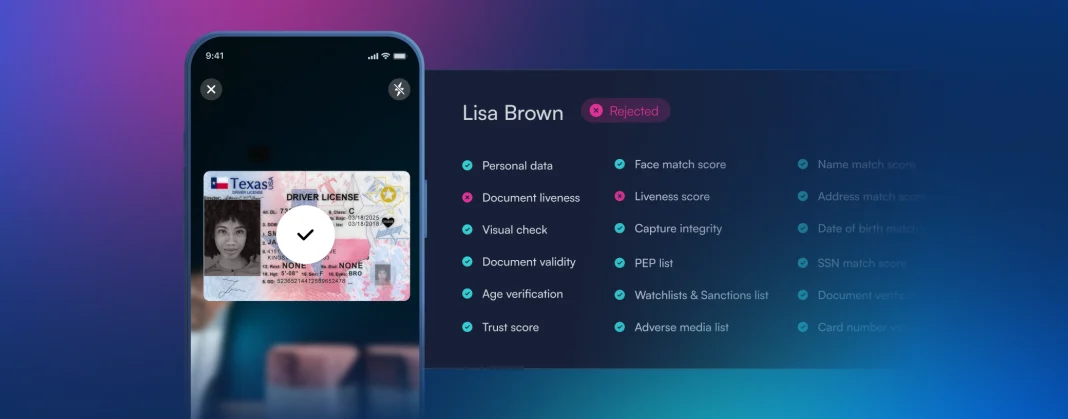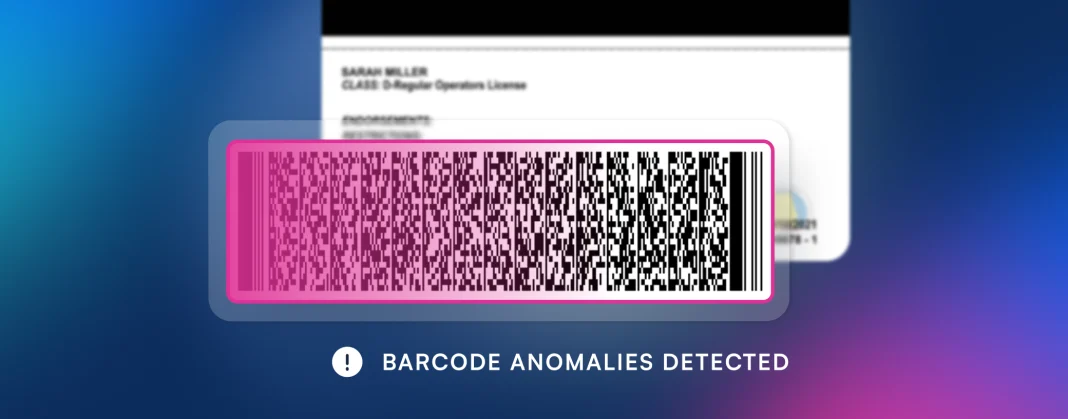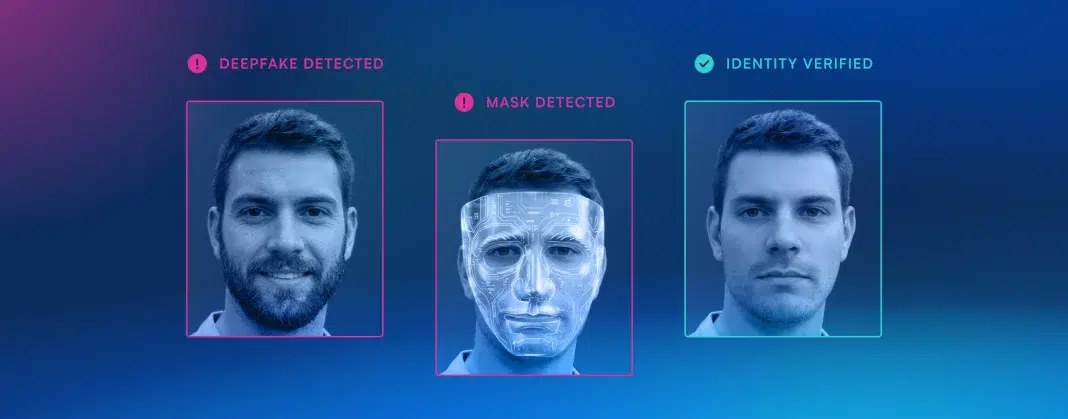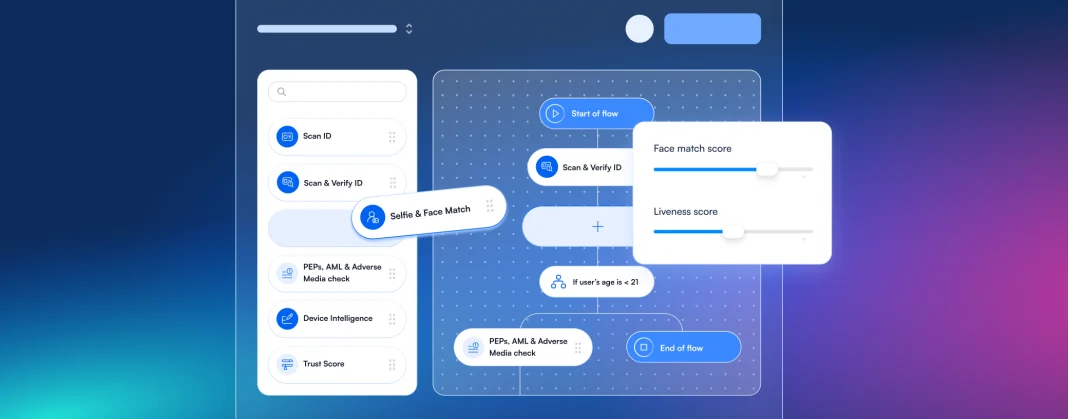

Regulators increasingly act on the state of your control environment, not only on whether financial crime occurred. Microblink automates the identity layer of your KYC program—document authentication, biometric verification, and sanctions and PEP screening—with a retained record behind every decision.
Requirements are configurable market by market, every result is explainable at the signal level, and accuracy is independently validated by the U.S. Department of Homeland Security rather than self-reported.








Regulatory Exposure
Supervisors increasingly act on control deficiencies themselves. An institution can be fined for inadequate customer due diligence or late suspicious activity reporting even where no money laundering is ever identified—the weakness in the program is the finding.
Requirements diverge across jurisdictions—what counts as acceptable evidence, when enhanced diligence is triggered, and how long records must be kept all differ by market. Programs that apply one country’s approach everywhere either over-verify customers or fall short locally. Cross-border identity verification is where that tension shows up first.
When an examiner asks why a specific customer was approved, a vendor score with no visible inputs is not an answer. Programs built on opaque tooling struggle to evidence their own logic under review.
Enhanced due diligence is the most resource-intensive obligation in the program. Handled manually—alongside sanctions screening alerts—cost rises in step with volume and every new market you take on.
Operating Across Regulatory Regimes
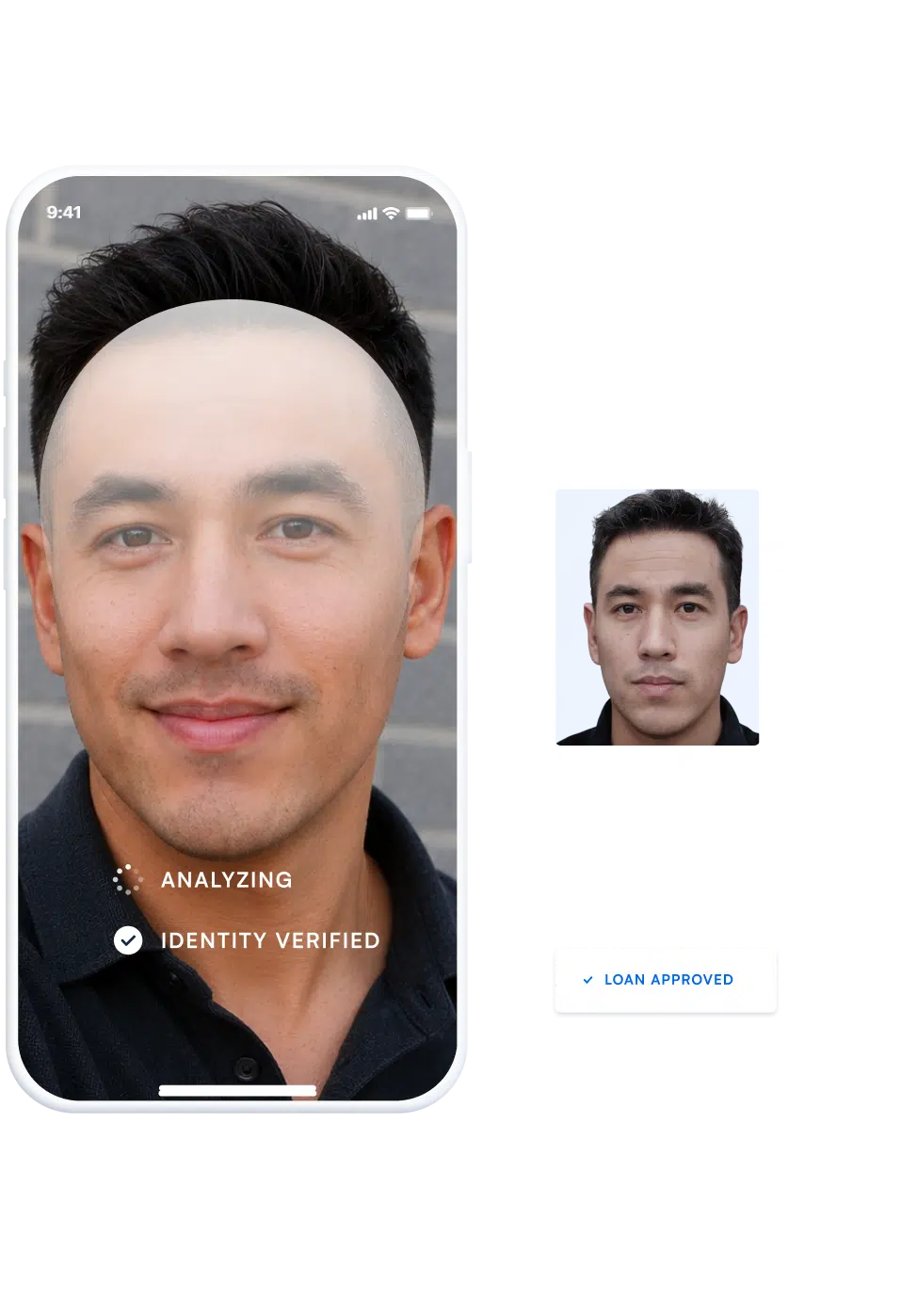
US financial institutions run anti-money laundering programs under the Bank Secrecy Act, administered by FinCEN, with sanctions obligations tied to OFAC lists and additional program rules from FINRA for broker-dealers. Microblink covers the identity layer those programs depend on: authenticating the document, confirming a live person behind it, screening the verified identity, and retaining what each check returned.

EU institutions work under the bloc's Anti-Money Laundering Directives as implemented by each member state's national supervisor, which is why a program that satisfies one market does not automatically satisfy the next. Verification requirements are configurable per country, so local expectations are met without applying the strictest market's rules to every customer you onboard.
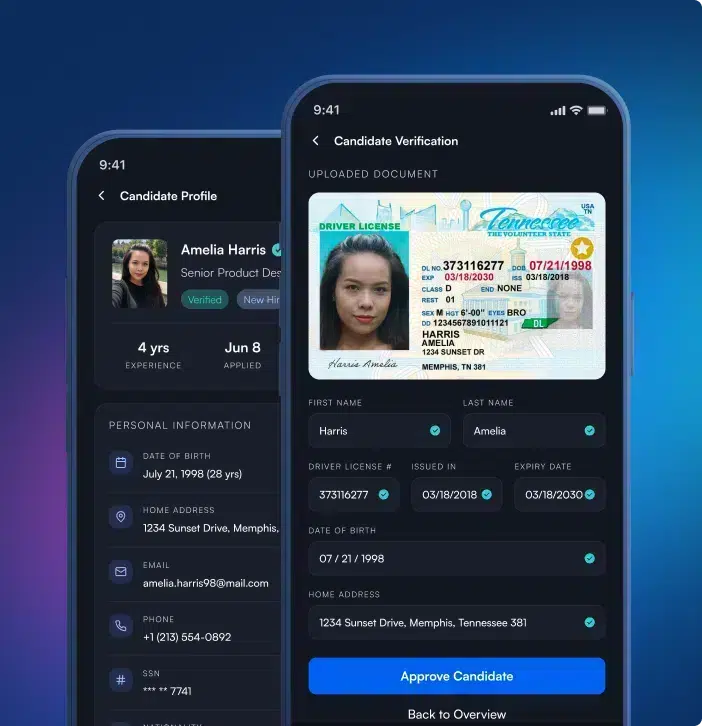
UK firms supervised by the FCA apply a risk-based approach: lighter diligence where risk is demonstrably low, enhanced diligence where it is elevated, and a documented rationale behind the distinction. Microblink makes that rationale evidential—thresholds are set explicitly and every decision carries the signals that produced it, so the risk assessment is retrievable rather than reconstructed.
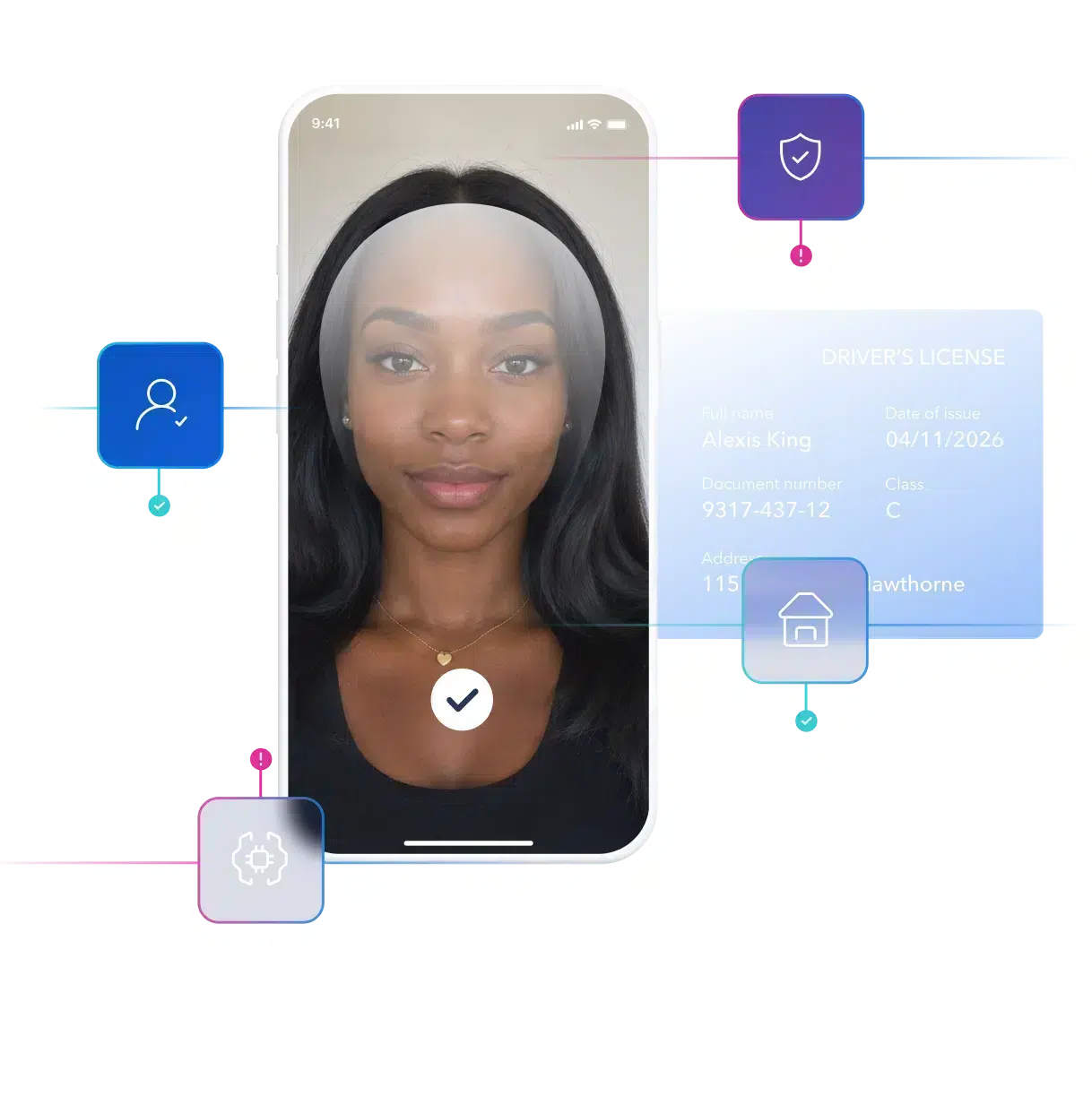
National regimes—including those overseen by FINTRAC in Canada and AUSTRAC in Australia—are written to implement the international standards set by the Financial Action Task Force, which is why obligations rhyme across markets without matching exactly. One integration covers 2,500+ document types, so entering a new market is a configuration change rather than a new vendor.
When KYC Checks Are Typically Required

Before establishing any customer relationship or enabling the first transaction.

When transaction value reaches the level your jurisdiction sets for additional checks.

Where existing customer data appears inaccurate, incomplete, or out of date.

When behaviour shifts significantly or beneficial ownership of a business customer changes.

On the refresh cycle set by each customer’s risk rating—more frequently for higher-risk relationships.
Before establishing any customer relationship or enabling the first transaction.
When transaction value reaches the level your jurisdiction sets for additional checks.
Where existing customer data appears inaccurate, incomplete, or out of date.
When behaviour shifts significantly or beneficial ownership of a business customer changes.
On the refresh cycle set by each customer’s risk rating—more frequently for higher-risk relationships.
Vendor Evaluation

Ask for accuracy results your vendor did not produce themselves. Microblink is the only provider to meet every performance threshold in the U.S. Department of Homeland Security’s RIVR evaluation. See how that compares across the KYC software landscape.

Ask what an examiner sees when they question a decision. Every Microblink result exposes its contributing signals and the thresholds applied—no unexplainable score in your audit file.

Ask who actually builds the models. Most providers resell white-labelled technology; Microblink develops its own, which determines who is accountable when a regulator asks how a decision was reached.
Ask for accuracy results your vendor did not produce themselves. Microblink is the only provider to meet every performance threshold in the U.S. Department of Homeland Security’s RIVR evaluation. See how that compares across the KYC software landscape.
Ask what an examiner sees when they question a decision. Every Microblink result exposes its contributing signals and the thresholds applied—no unexplainable score in your audit file.
Ask who actually builds the models. Most providers resell white-labelled technology; Microblink develops its own, which determines who is accountable when a regulator asks how a decision was reached.

First Abu Dhabi Bank partners with Microblink to accelerate ID scanning during KYC verification.

Discover how Attain is transforming the consumer-permissioned future with BlinkReceipt.

Discover how BlinkID revolutionized Jurat’s user experience and contributed to their success in the digital notary industry.

Quick and accurate ID verification, ensuring a seamless and secure registration process

Meet regulatory requirements with ID document verification and non-documentary signals


Verify identity and prevent unauthorized transactions through secure document scanning

Detect stolen or synthetic identities with precision and verify IDs to prevent fraudulent account creation and transactions

Ensure compliance and prevent underage access by instantly verifying customer ages through secure ID scanning

With 12 years of expertise in computer vision R&D, Microblink has been at the forefront of AI-driven identity verification, continuously innovating to deliver fast and accurate solutions.

We pioneered AI-driven identity verification, setting the standard for fast, secure, and accurate ID scanning solutions.

We develop our AI in-house, using proprietary data and a dedicated team of machine learning specialists to ensure unmatched accuracy and performance in identity verification.
With 12 years of expertise in computer vision R&D, Microblink has been at the forefront of AI-driven identity verification, continuously innovating to deliver fast and accurate solutions.
We pioneered AI-driven identity verification, setting the standard for fast, secure, and accurate ID scanning solutions.
We develop our AI in-house, using proprietary data and a dedicated team of machine learning specialists to ensure unmatched accuracy and performance in identity verification.
Latest
Yes. KYC is a legal obligation for regulated institutions in most jurisdictions, imposed through national anti-money laundering law implementing the Financial Action Task Force Recommendations. It applies to banks and financial services first, and increasingly to fintechs, insurers, crypto platforms, gaming operators, and other designated businesses.
Yes. US financial institutions are required to run anti-money laundering programs under the Bank Secrecy Act, which includes identifying and verifying customers, screening against OFAC sanctions lists, and reporting suspicious activity to FinCEN. Broker-dealers carry further program obligations under FINRA rules. Exact requirements depend on institution type, so scope should be confirmed with your own compliance counsel.
A documented program generally covers a customer acceptance policy, a process for identifying and verifying customers, risk-based due diligence that escalates for higher-risk relationships, ongoing monitoring of activity, and record-keeping supported by staff training. Microblink automates the identity verification and screening components and produces the records the rest of the program relies on.
Consequences range from financial penalties through to remediation orders, restrictions on business activity, conditions on an operating licence, and personal accountability for responsible officers. Enforcement increasingly follows control deficiencies themselves, which is why the ability to evidence your process matters as much as the outcome it produced.
Retention periods are set by each jurisdiction and by institution type, and they differ enough that cross-border institutions commonly standardise on the longest period that applies to them. Microblink retains the component-level result behind each verification so the underlying evidence is available for whatever period your policy requires.
Identification standards, acceptable evidence, due diligence triggers, and retention rules all vary by market, even where the underlying objectives match. Microblink handles this with per-market configuration rather than a single global ruleset. For the distinction between customer-level KYC and verifying AI agents acting on a customer’s behalf, see KYA vs KYC.