

Pay stubs remain one of the most common ways for people to demonstrate employment and income. They are also relatively easy t...

Invoice fraud is particularly dangerous because a fraudulent payment can look remarkably similar to a legitimate one. An invo...
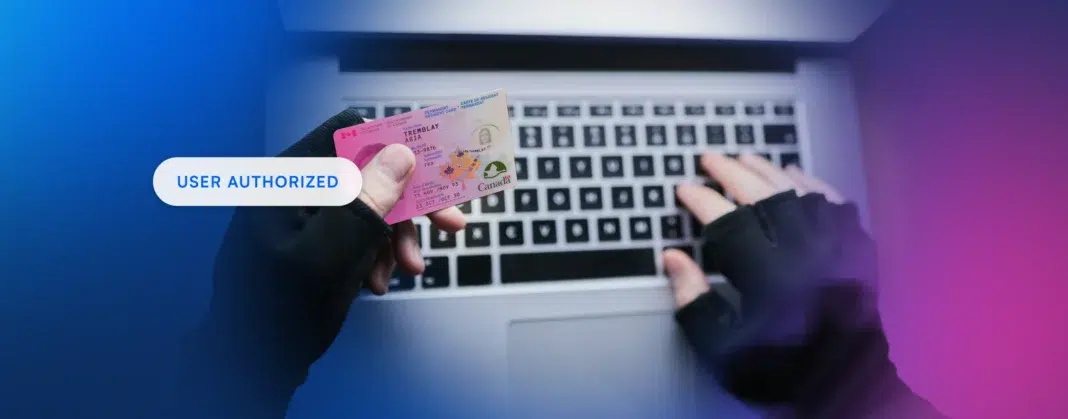
Account takeovers (ATO) remain one of the most significant forms of identity fraud in 2026.. In 2025, more than 6 million U.S...
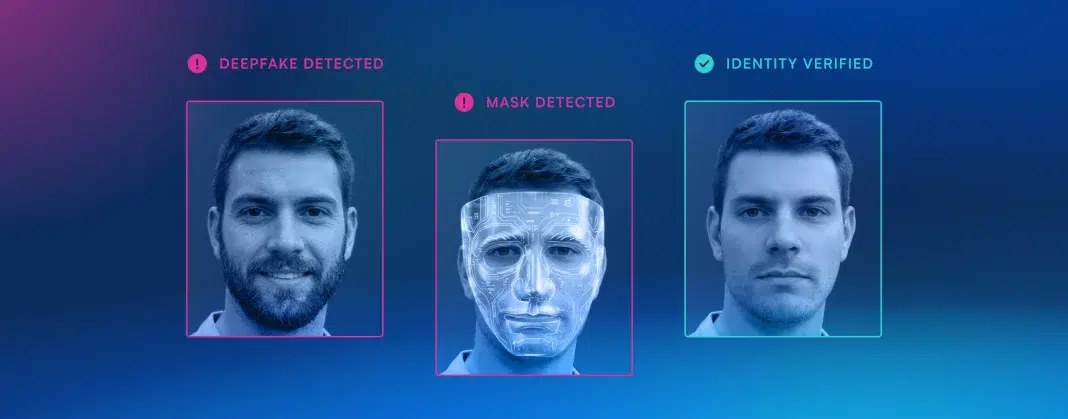
For years, fraud prevention has been a balancing act. Tighten security too much and legitimate customers abandon transactions...
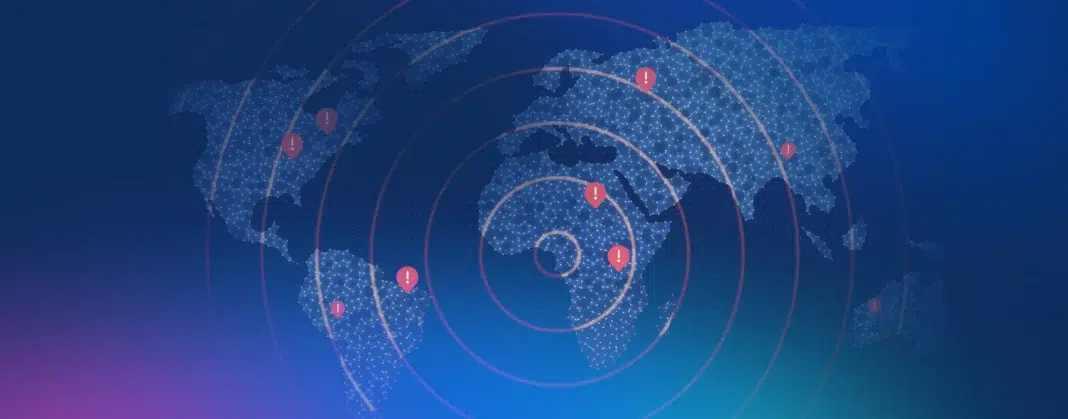
Fraud is changing faster than most organizations can adapt. Generative AI has lowered the barrier to creating convincing fake...

Recent reporting around large-scale resale markets for Anthropic Claude access exposed something much bigger than API abuse...
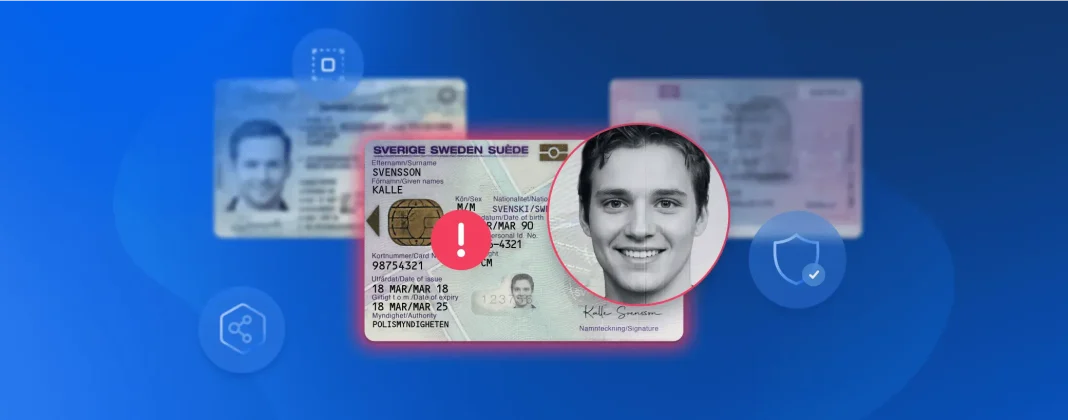
Fraud is no longer a static problem. It evolves, adapts, and scales alongside technology. For risk leaders, digital transform...

Hospitality fraud is no longer limited to stolen credit cards or fake bookings. Today, fraud in the hospitality industry is f...

Payment fraud isn’t just increasing. It’s evolving. What used to be isolated attacks are now coordinated, automated, and incr...

Valentine’s Day is meant to celebrate connection, trust, and intimacy. Unfortunately, those same emotions are also the founda...
Fraud trends are no longer incremental shifts that risk teams can address with small rule updates or periodic reviews. They a...
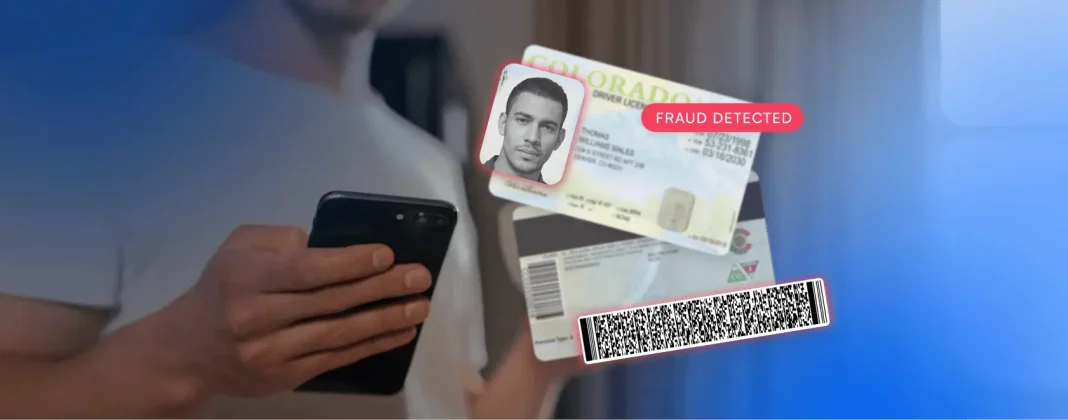
Synthetic media attacks are no longer a theoretical risk or a future problem. They are actively being used to bypass identity...
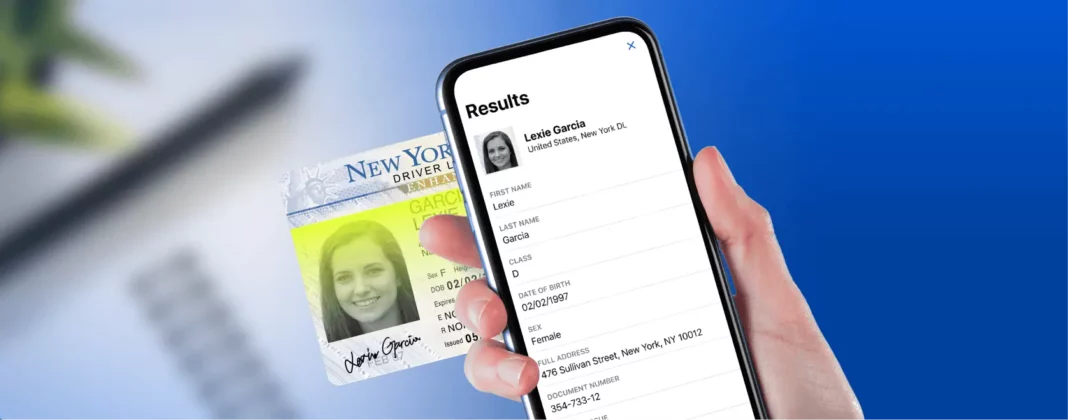
Document fraud has evolved far beyond blurry photocopies and obvious forgeries. Today’s attackers use high-quality templates...

Fraud has outgrown rules engines and manual review queues. Synthetic identities, stolen credentials, and automated attacks no...
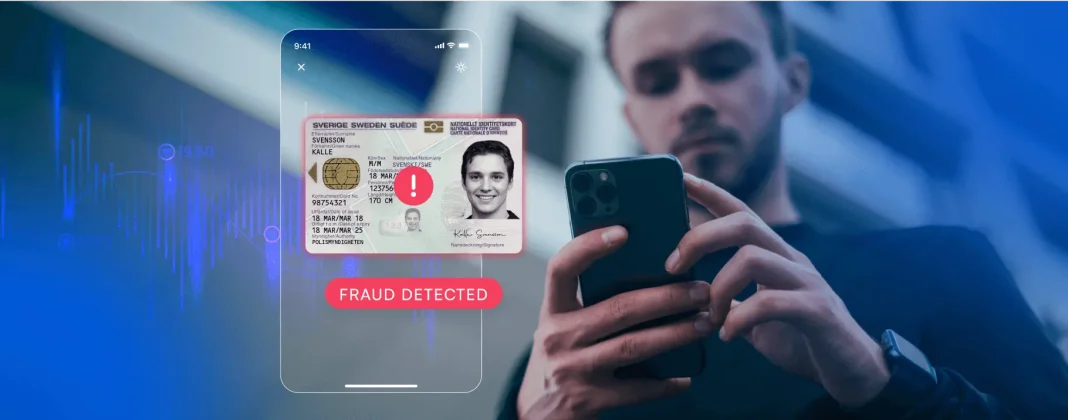
In the fast-evolving world of crypto and digital assets, compliance isn’t just a checkbox, it’s more often a moving target. O...
A IA não se limitou a tornar a fraude mais rápida. Ela a transformou em um sistema. Analisamos milhões de interações relacionadas à identidade para mapear como os ataques de identidade estão evoluindo em diferentes regiões, tipos de ataque e níveis de sofisticação — e o que as organizações precisam repensar para acompanhar essa evolução.
Veja os dados