Echa un vistazo a las entradas del blog repletas de información sobre el sector.

Selfie verification has become a common part of digital identity verification because it answers an important question that d...

Intro Section As we move into 2026, facial recognition technology has become a core control for digital identity, fraud preve...
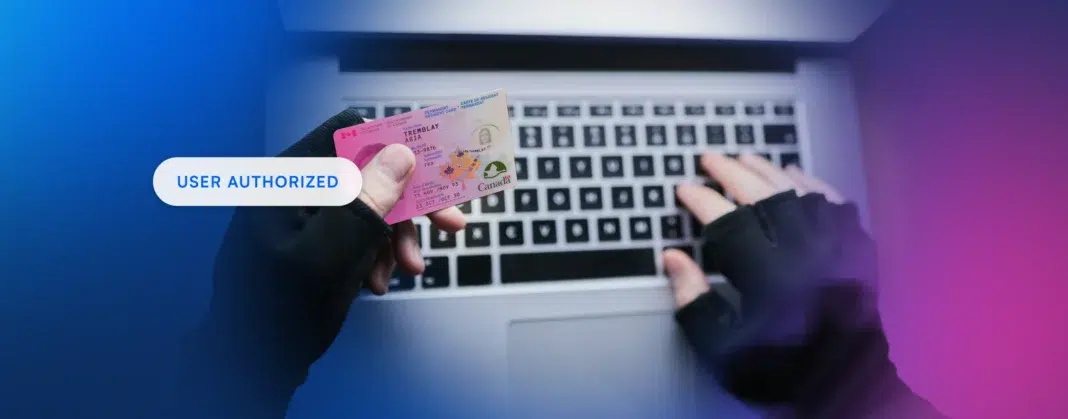
La apropiación de cuentas (ATO) sigue siendo una de las formas más importantes de fraude de identidad en 2026. En 2025, más d...
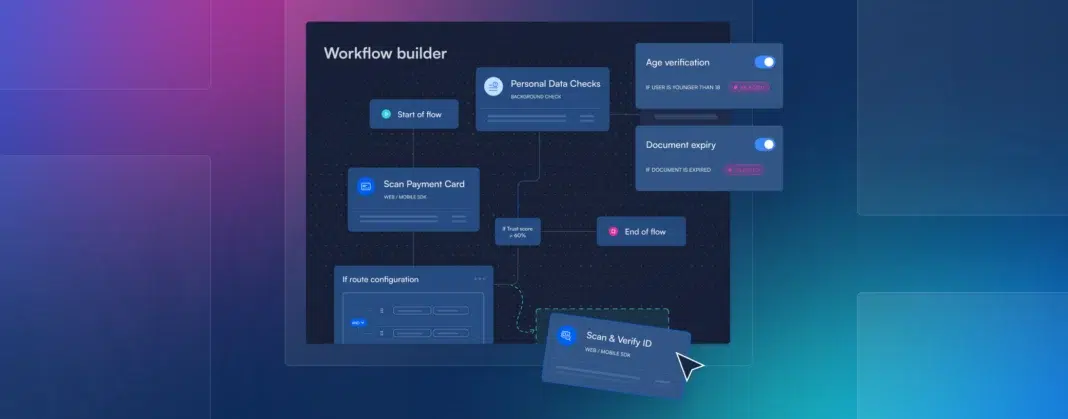
Identity verification is becoming more sophisticated, but managing that complexity shouldn’t make it harder for develop...

Intro Section The acquisition of Onfido by Entrust has fundamentally altered the identity verification (IDV) landscape, promp...

In 2026, choosing a Sumsub alternative is less about finding another basic identity verification vendor and more about select...
In 2026, the digital identity landscape has reached a critical juncture. As generative AI and sophisticated deepfakes become...
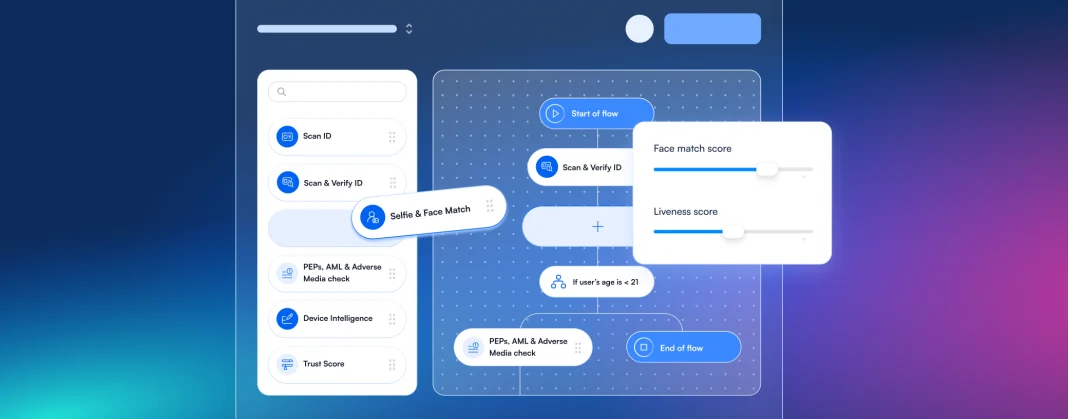
Identity verification has become far more complex than checking an ID and approving a customer. Modern onboarding journeys of...

Customer authentication is the process of verifying that a user is who they claim to be before granting access to an account...
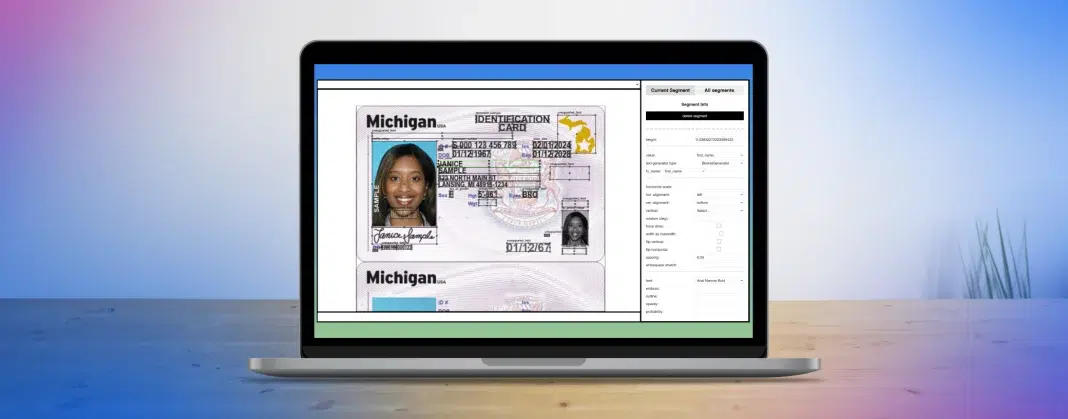
Model Context Protocol (MCP) for Identity is a standardized way to manage how identity data is discovered, shared, and used a...

Agent-to-Agent (A2A) verification is the process of verifying not just individual users, but the agents, intermediaries, and...

As autonomous AI agents proliferate across enterprise environments in 2026, traditional identity and access management framew...
Explorar nuestras soluciones está a un clic de distancia. Prueba nuestros productos o habla con nosotros con uno de nuestros expertos para profundizar en lo que ofrecemos.
La IA no solo ha acelerado el fraude, sino que lo ha convertido en un sistema. Hemos analizado millones de interacciones relacionadas con la identidad para trazar un mapa de cómo están evolucionando los ataques a la identidad en las distintas regiones, según los tipos de ataque y los niveles de sofisticación, y qué deben replantearse las organizaciones para mantenerse al día.
Ver los datos