
La technologie est en constante évolution, tout comme nous.
Apprenez avec nous.

La fraude dans le secteur de l'hôtellerie-restauration n'est plus un simple désagrément administratif. Il s'ag...

Dans les secteurs où le numérique occupe une place prépondérante, le taux de satisfaction des clients est devenu l’un des ind...
L’automatisation de la réception est passée du statut de « plus » à celui de nécessité opérationnelle. Que ce soit dans l’hôt...

Cette semaine, Microblink a accueilli un groupe de responsables chargés de la lutte contre la fraude, de la gestion des risqu...

La fraude aux faux prêts est devenue l'une des menaces qui connaît la croissance la plus rapide pour les établissements...

Chez Microblink, notre technologie réduit les frictions, prévient la fraude et offre aux entreprises des outils plus intellig...

Le système d’entrée et de sortie de l’UE (EES) représente l’un des changements les plus importants de ces dernières décennies...

Chez Microblink, notre mission est de garantir la fiabilité de chaque interaction numérique. Nous aidons les établissements f...
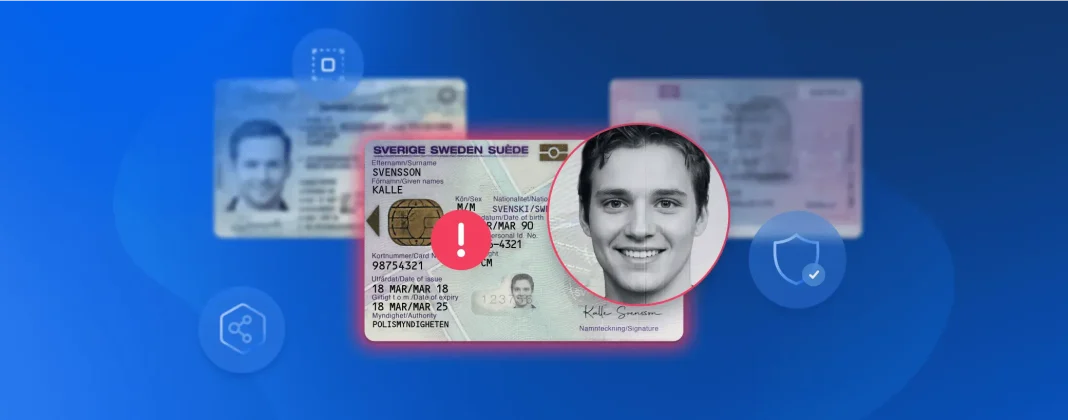
La fraude n'est plus un problème statique. Elle évolue, s'adapte et prend de l'ampleur au rythme des progrès t...
L'expérience client numérique est désormais un facteur déterminant dans la concurrence entre les hôtels, les complexes t...
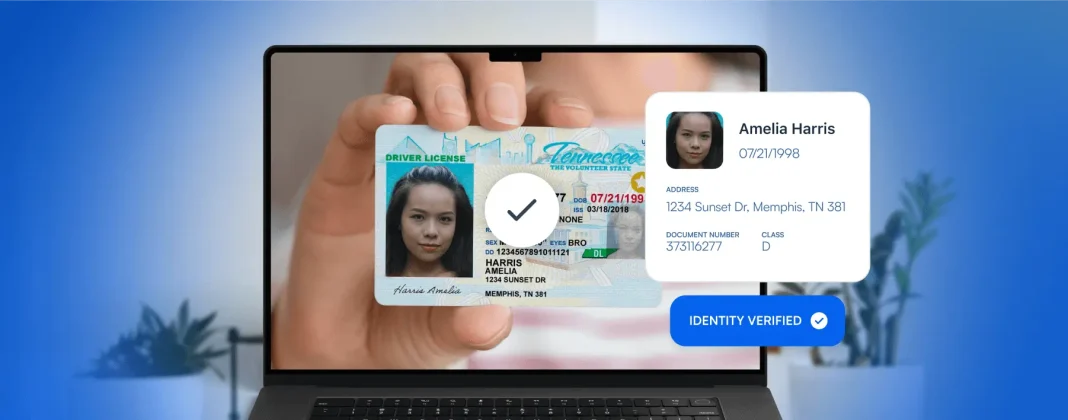
Dans un monde idéal, chaque utilisateur devant vérifier son identité utiliserait l'appareil photo haute résolution de so...

Les « deepfakes » sont passés du statut de simple curiosité sur Internet à celui de menace opérationnelle. Ce qui n'étai...
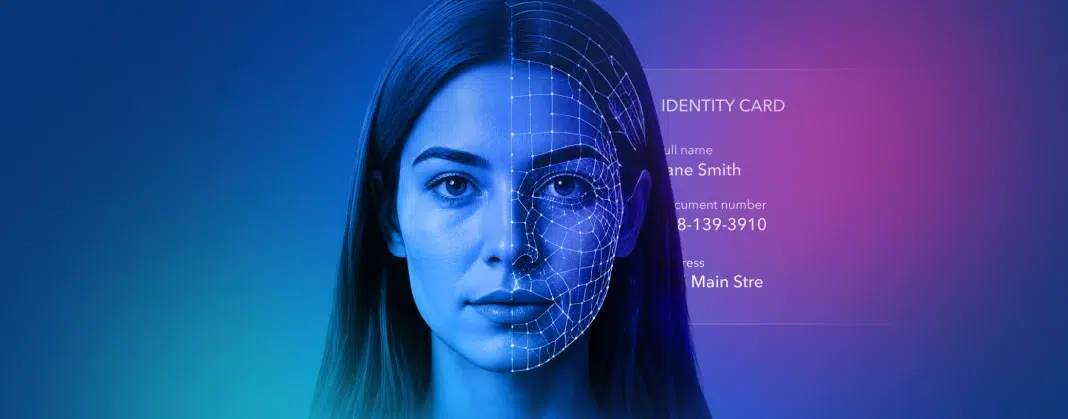
L'intelligence artificielle est en train de transformer le commerce numérique à un rythme sans précédent. Alors que les...
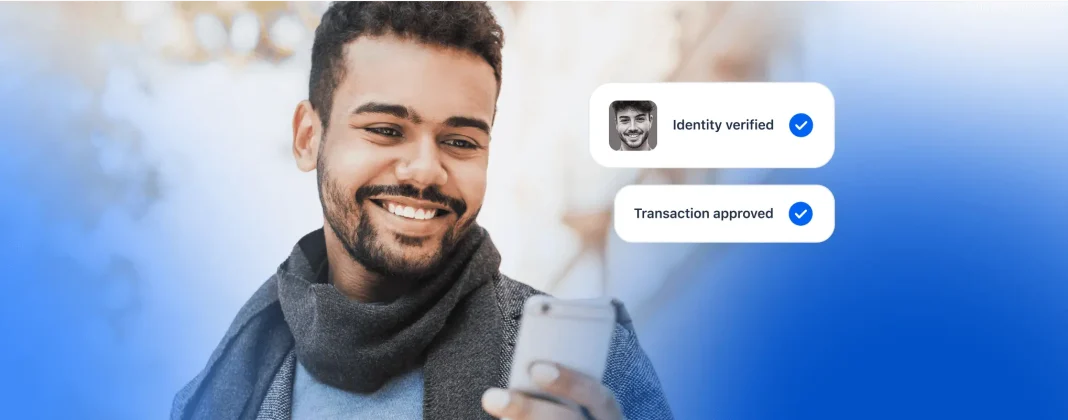
L'adoption des cryptomonnaies a explosé au cours de la dernière décennie, tout comme la surveillance réglementaire. Les...

Autrefois, s'implanter sur de nouveaux marchés impliquait la localisation, les paiements et la logistique. Aujourd'...
L'IA n'a pas seulement accéléré la fraude. Elle en a fait un véritable système. Nous avons analysé des millions d'interactions liées à l'identité afin de cartographier l'évolution des attaques d'usurpation d'identité selon les régions, les types d'attaques et les niveaux de sophistication — et d'identifier ce que les organisations doivent repenser pour rester dans la course.
Consultez les données