Browse through blog posts packed with industry insights.

Intro Section As digital platforms face increasing regulatory scrutiny, implementing robust age verification software has bec...

In 2026, the stakes for digital identity have never been higher. As deepfakes and synthetic identity fraud become more sophis...

In 2026, electronic identity verification software is no longer a niche compliance tool. For Fraud Decision-Makers at medium...
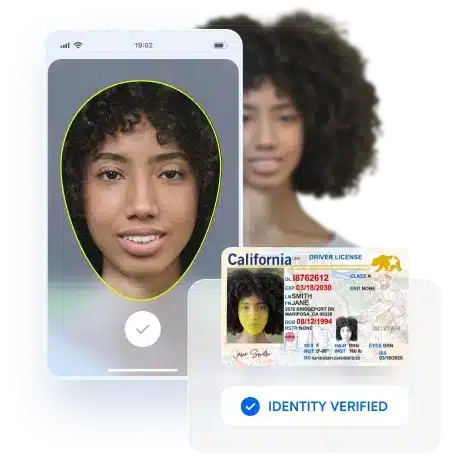
Digital fraud isn’t just growing; it’s evolving. As bad actors pivot to AI-generated deepfakes and synthetic IDs, traditional...

In 2026, ID document verification software is no longer a nice-to-have for digital onboarding. For fraud decision-makers, it...
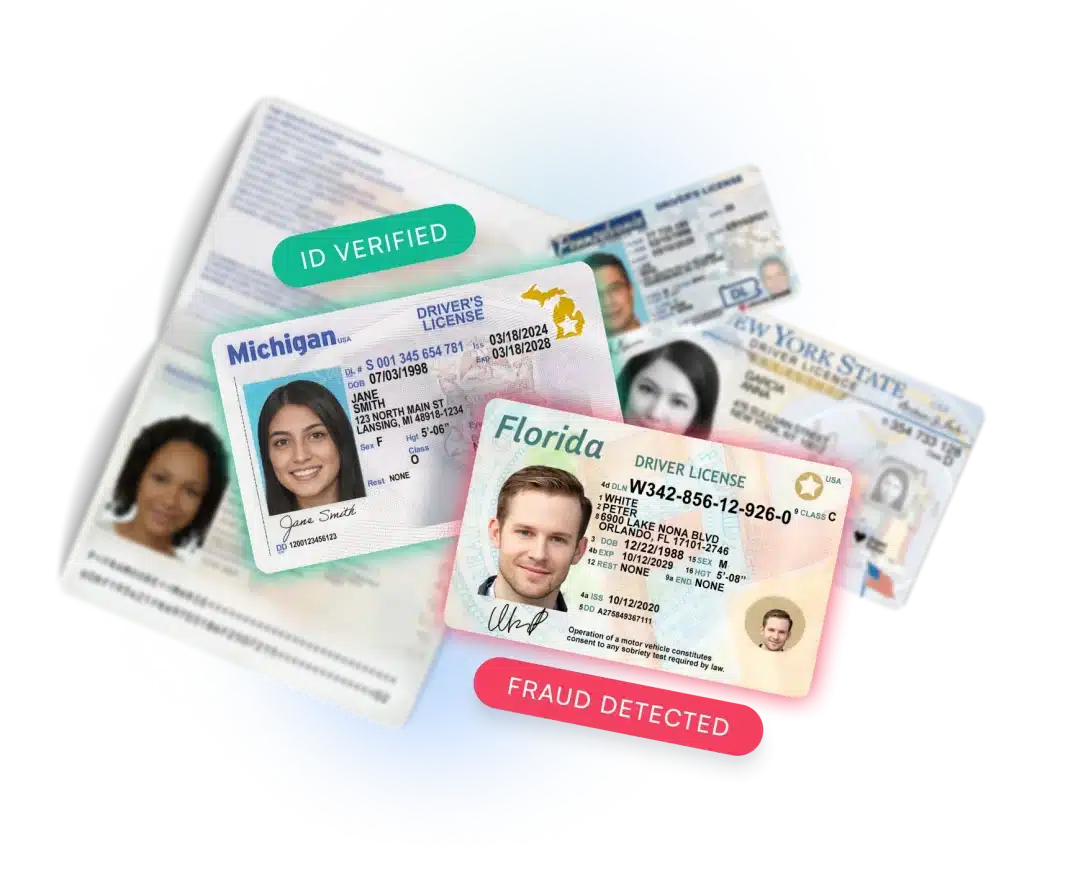
In today’s digital-first landscape, robust identity verification is no longer optional; it’s a critical component of secure o...
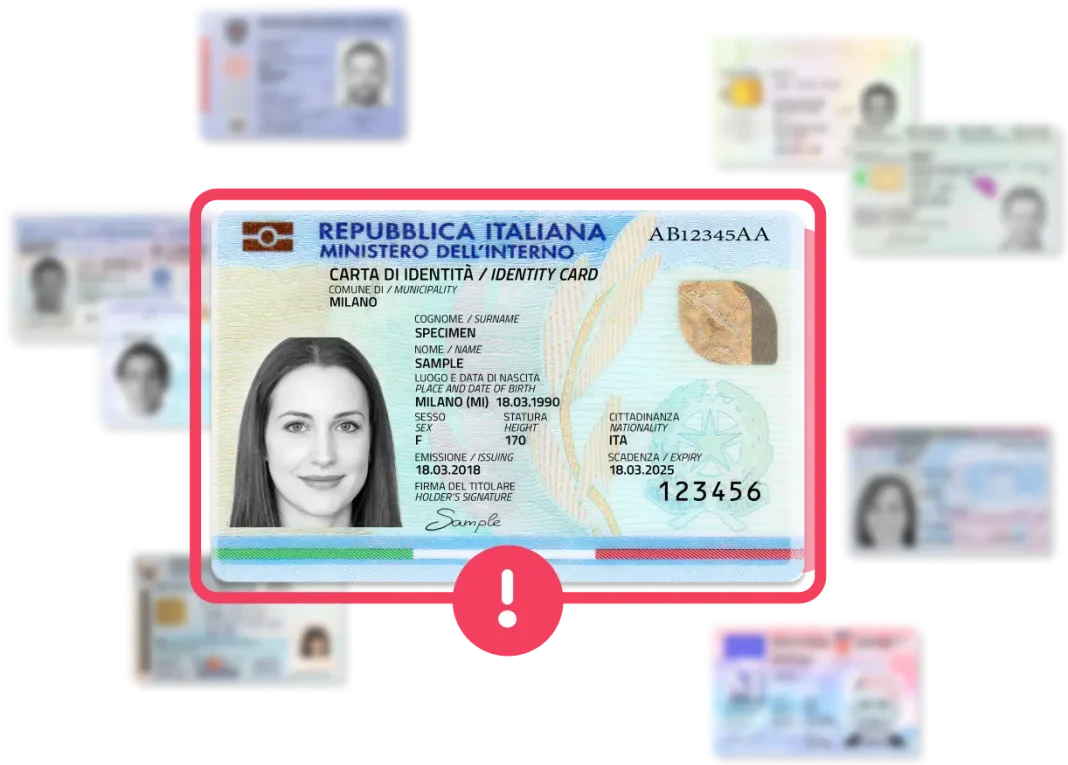
Card-not-present (CNP) fraud remains one of the most significant threats in the digital payments landscape, requiring busines...
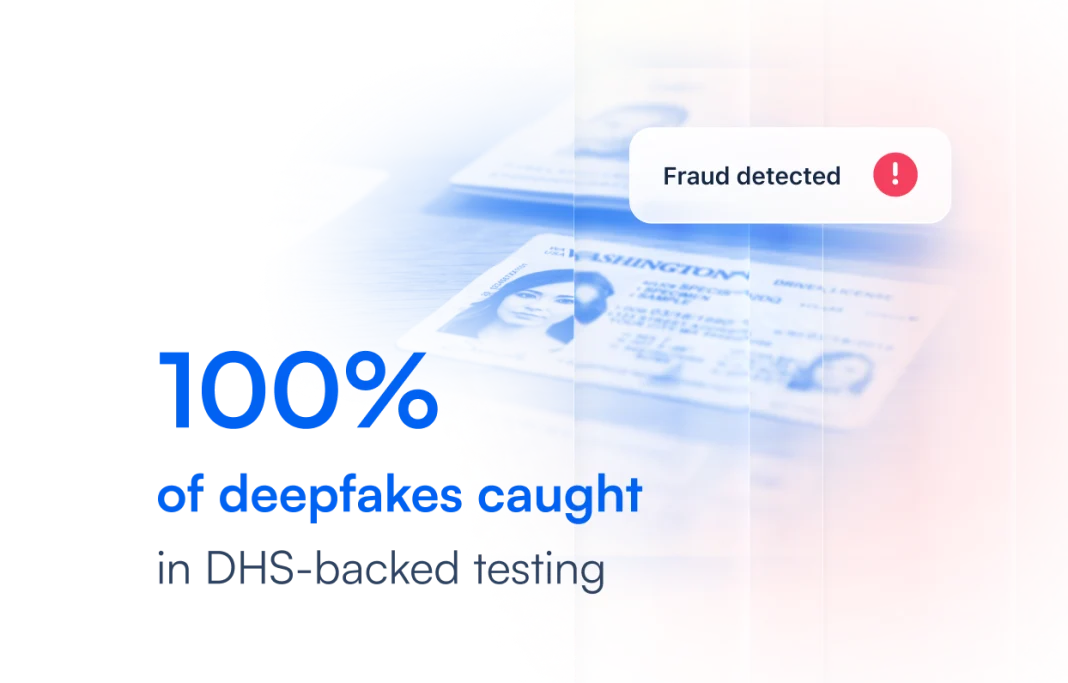
Intro In 2026, deepfakes are no longer a fringe threat. Thanks to generative AI, bad actors can now create convincing synthet...
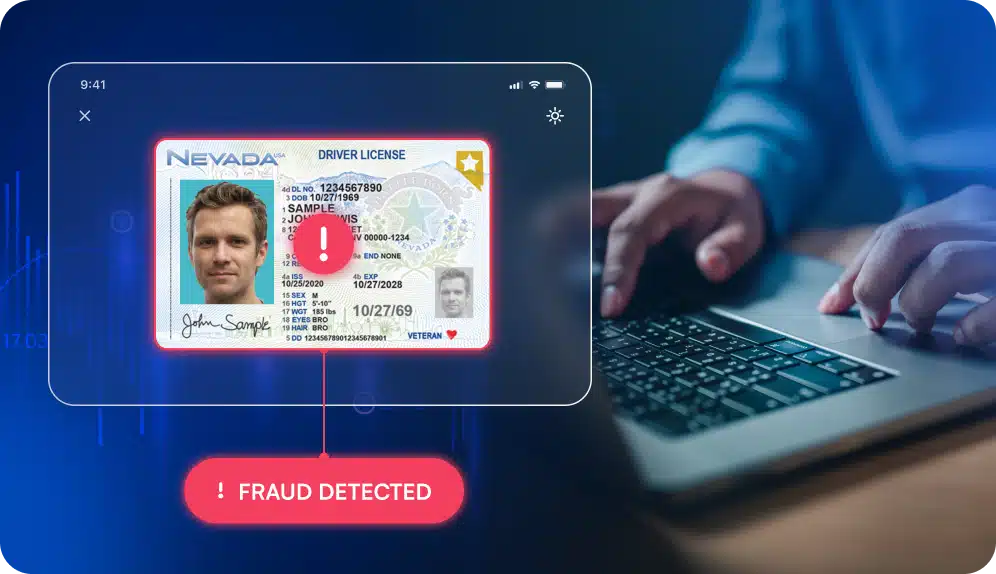
The Strategic Importance of Fraud Prevention APIs in 2026 As digital transactions and remote onboarding become the global sta...
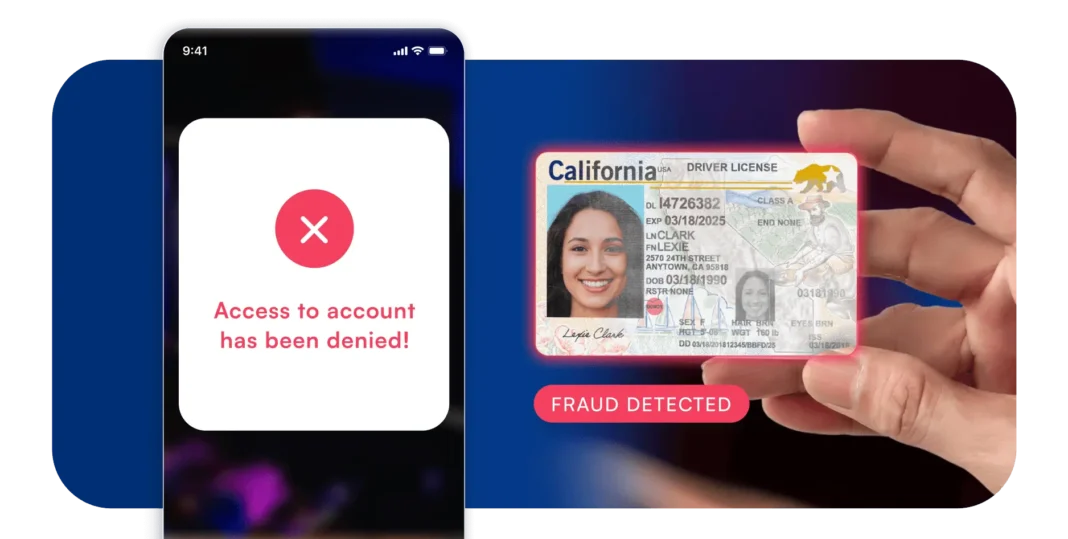
Deepfake detection has moved from an abstract security concern to a frontline risk priority. As synthetic media attacks grow...

Document fraud has evolved far beyond blurry photocopies and obvious forgeries. Today’s attackers use high-quality templates...

Fraud has outgrown rules engines and manual review queues. Synthetic identities, stolen credentials, and automated attacks no...
Para explorar nossas soluções, você está a apenas um clique de distância. Experimente nossos produtos ou converse com um de nossos especialistas para se aprofundar no que oferecemos.

A IA não se limitou a tornar a fraude mais rápida. Ela a transformou em um sistema. Analisamos milhões de interações relacionadas à identidade para mapear como os ataques de identidade estão evoluindo em diferentes regiões, tipos de ataque e níveis de sofisticação — e o que as organizações precisam repensar para acompanhar essa evolução.
Veja os dados