
Browse through blog posts packed with industry insights.

In 2026, choosing a Sumsub alternative is less about finding another basic identity verification vendor and more about select...

In 2026, the digital identity landscape has reached a critical juncture. As generative AI and sophisticated deepfakes become...
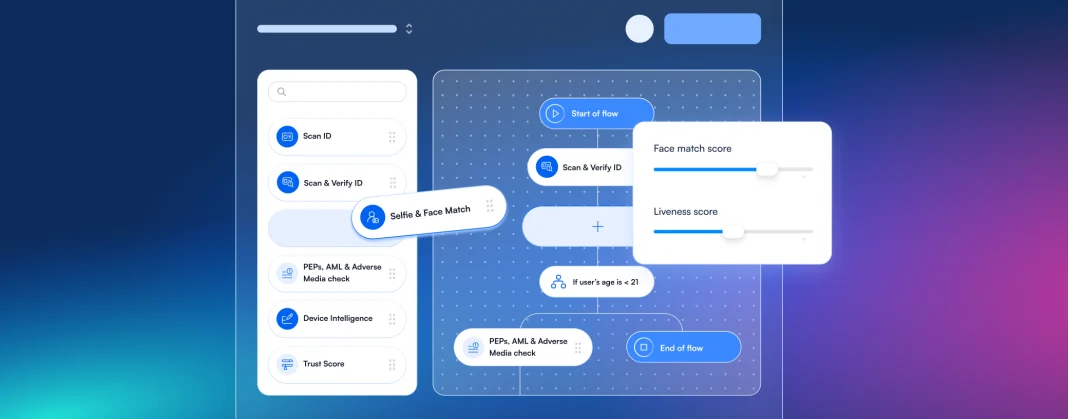
Identity verification has become far more complex than checking an ID and approving a customer. Modern onboarding journeys of...

Customer authentication is the process of verifying that a user is who they claim to be before granting access to an account...

Model Context Protocol (MCP) for Identity is a standardized way to manage how identity data is discovered, shared, and used a...

Agent-to-Agent (A2A) verification is the process of verifying not just individual users, but the agents, intermediaries, and...

As autonomous AI agents proliferate across enterprise environments in 2026, traditional identity and access management framew...

In 2026, the global regulatory environment has transformed into a high-stakes arena where manual compliance is no longer viab...

Agentic Commerce Protocol (ACP) Compliance refers to an organization’s ability to securely support transactions initiated not...

Identity fraud doesn’t happen at a single moment anymore. It happens across sessions, across devices, across time. A user can...

Navigating guest verification in 2026 requires more than a basic ID check. For fraud decision-makers in hospitality, travel...

Is your business still relying on a flashlight and a gut check to verify identities? In 2026, that approach is not just outda...
Para explorar nossas soluções, você está a apenas um clique de distância. Experimente nossos produtos ou converse com um de nossos especialistas para se aprofundar no que oferecemos.
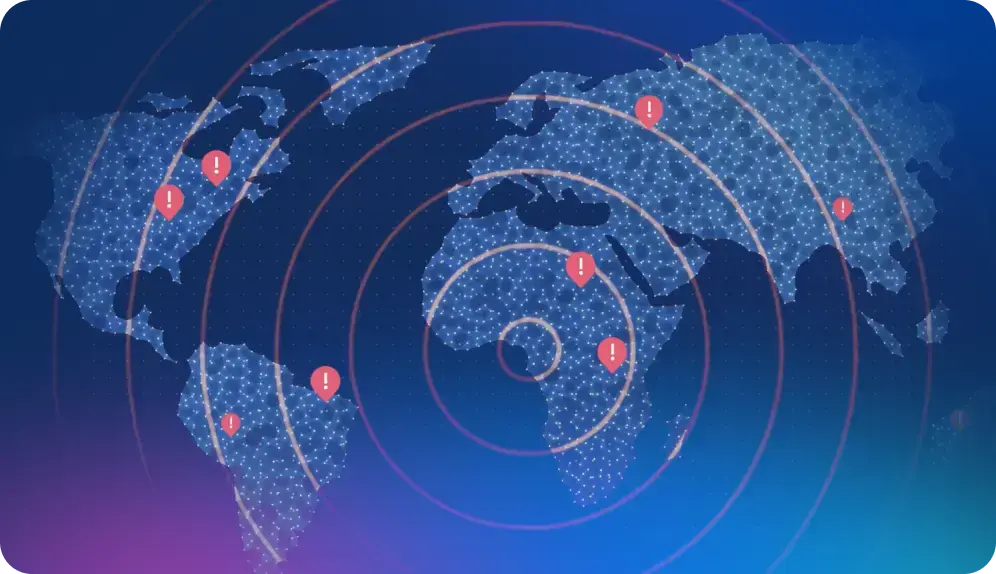
A IA não se limitou a tornar a fraude mais rápida. Ela a transformou em um sistema. Analisamos milhões de interações relacionadas à identidade para mapear como os ataques de identidade estão evoluindo em diferentes regiões, tipos de ataque e níveis de sofisticação — e o que as organizações precisam repensar para acompanhar essa evolução.
Veja os dados