
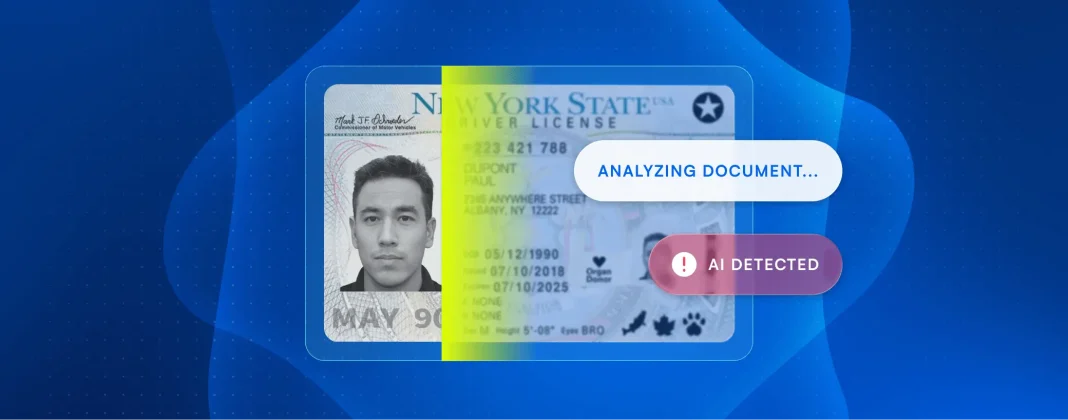
Not long ago, creating a convincing fake identity document required time, skill, and specialized tools. Today, all it takes i...

Agentic Commerce Protocol (ACP) Compliance refers to an organization’s ability to securely support transactions initiated not...

Deepfakes have moved from internet novelty to operational threat. What started as manipulated videos has evolved into highly...

ConfirmID is an identity verification solution designed to help organizations confirm that a user is who they claim to be dur...

As passenger volumes increase and fraud becomes more sophisticated, traditional identity verification methods—manual document...
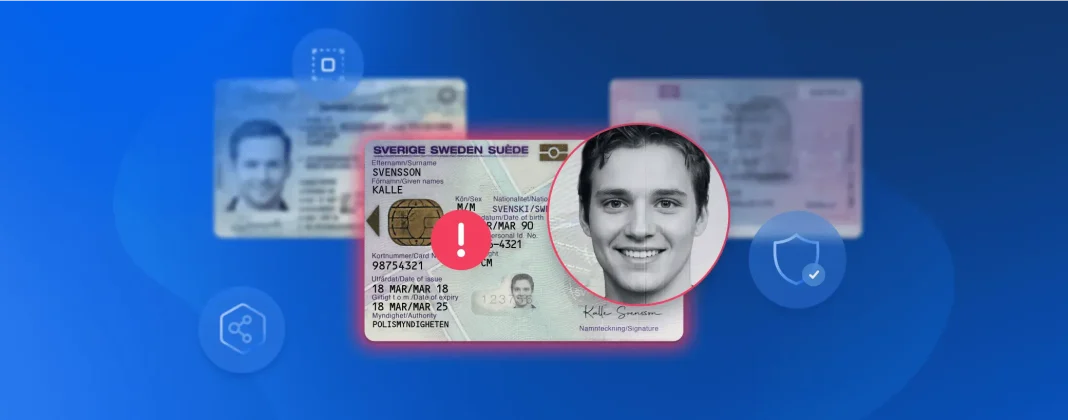
Fraud is no longer a static problem. It evolves, adapts, and scales alongside technology. For risk leaders, digital transform...

Payment fraud isn’t just increasing. It’s evolving. What used to be isolated attacks are now coordinated, automated, and incr...

Artificial intelligence is reshaping digital commerce at an unprecedented pace. While generative AI tools have already enable...

As identity fraud grows more sophisticated, traditional verification methods are struggling to keep up. Risk management teams...

Identity intelligence has become a foundational capability for organizations operating in high-risk, high-volume digital envi...

Valentine’s Day is meant to celebrate connection, trust, and intimacy. Unfortunately, those same emotions are also the founda...

Fraud trends are no longer incremental shifts that risk teams can address with small rule updates or periodic reviews. They a...
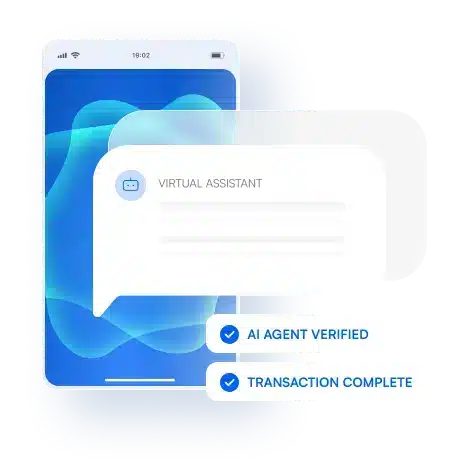
As automation, AI agents, and delegated workflows become embedded in financial services, many compliance teams are encounteri...
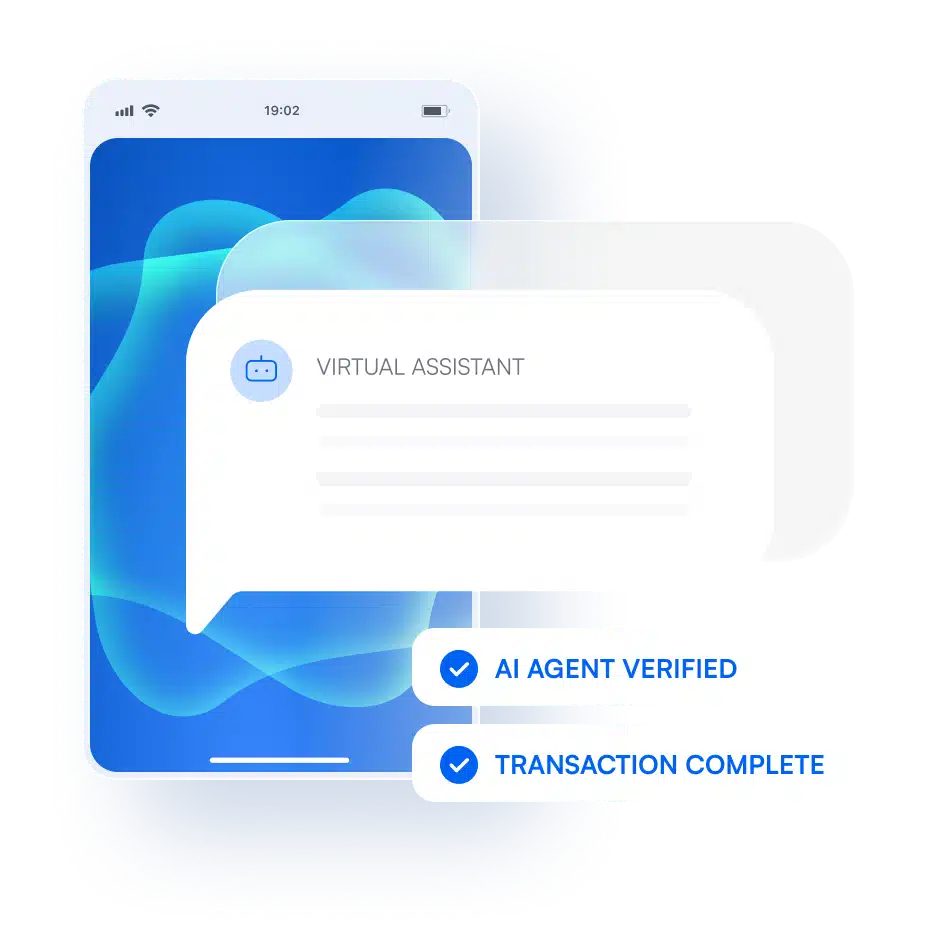
Agentic commerce is not just e-commerce with better autocomplete. It’s a structural shift in how transactions happen. Autonom...

An agent-to-agent protocol, often shortened to A2A protocol, defines how autonomous systems securely communicate, exchange id...
A IA não se limitou a tornar a fraude mais rápida. Ela a transformou em um sistema. Analisamos milhões de interações relacionadas à identidade para mapear como os ataques de identidade estão evoluindo em diferentes regiões, tipos de ataque e níveis de sofisticação — e o que as organizações precisam repensar para acompanhar essa evolução.
Veja os dados