Selfie verification software helps businesses confirm a user’s identity by matching a selfie with their ID document. Microblink provides secure, automated selfie verification for faster KYC and fraud prevention.








IDs processed every month
countries supported for verifying identities
to capture and extract data

Accelerate digital onboarding and slash drop-off rates with Microblink’s automated selfie verification software. Our lightning-fast mobile SDK guides users through a single, passive liveness check that matches their face to their ID in under two seconds.
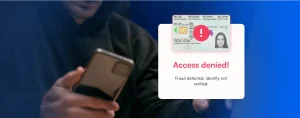
Stop sophisticated presentation attacks and deepfakes instantly using our advanced, ISO-compliant liveness detection engine. This powerful, on-device biometric analysis ensures compliance with strict KYC standards without adding friction to your customer journey.


Our passive liveness detection verifies real users in under two seconds without requiring complex facial gymnastics.
This seamless, single-frame capture minimizes user drop-off and boosts your onboarding completion rates by up to 25%.
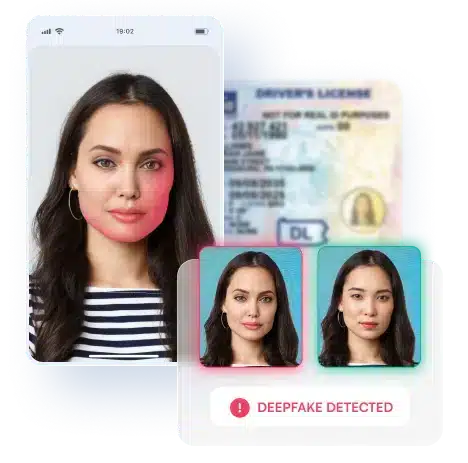
Microblink’s advanced Fraud Lab models instantly detect sophisticated presentation attacks, including high-resolution screens, masks, and generative AI deepfakes.
By analyzing micro-signals at the device level, you block synthetic fraud before it reaches your core ledger.
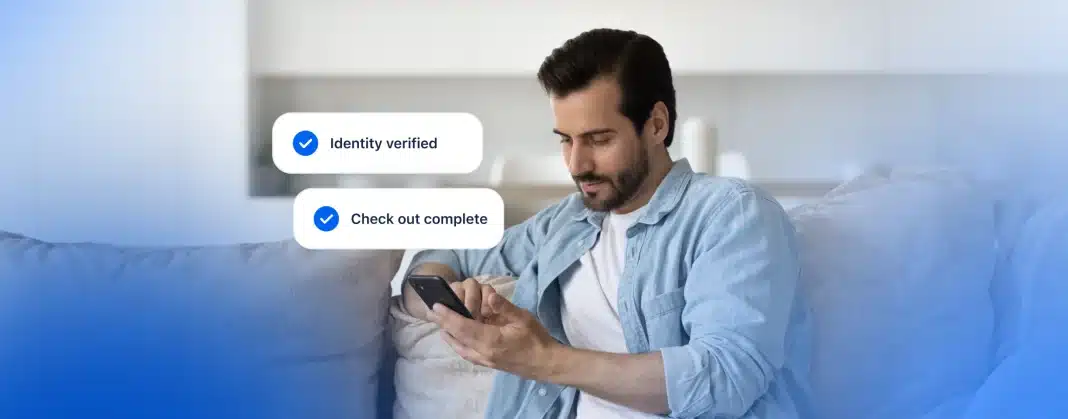
Our lightweight mobile SDKs and APIs integrate into your existing iOS, Android, or web onboarding flows in just a few hours.
This plug-and-play architecture eliminates complex custom builds, allowing your engineering team to focus on core product features.

First Abu Dhabi Bank partners with Microblink to accelerate ID scanning during KYC verification.

Discover how Attain is transforming the consumer-permissioned future with BlinkReceipt.

Discover how BlinkID revolutionized Jurat’s user experience and contributed to their success in the digital notary industry.

Quick and accurate ID verification, ensuring a seamless and secure registration process

Meet regulatory requirements with ID document verification and non-documentary signals


Verify identity and prevent unauthorized transactions through secure document scanning
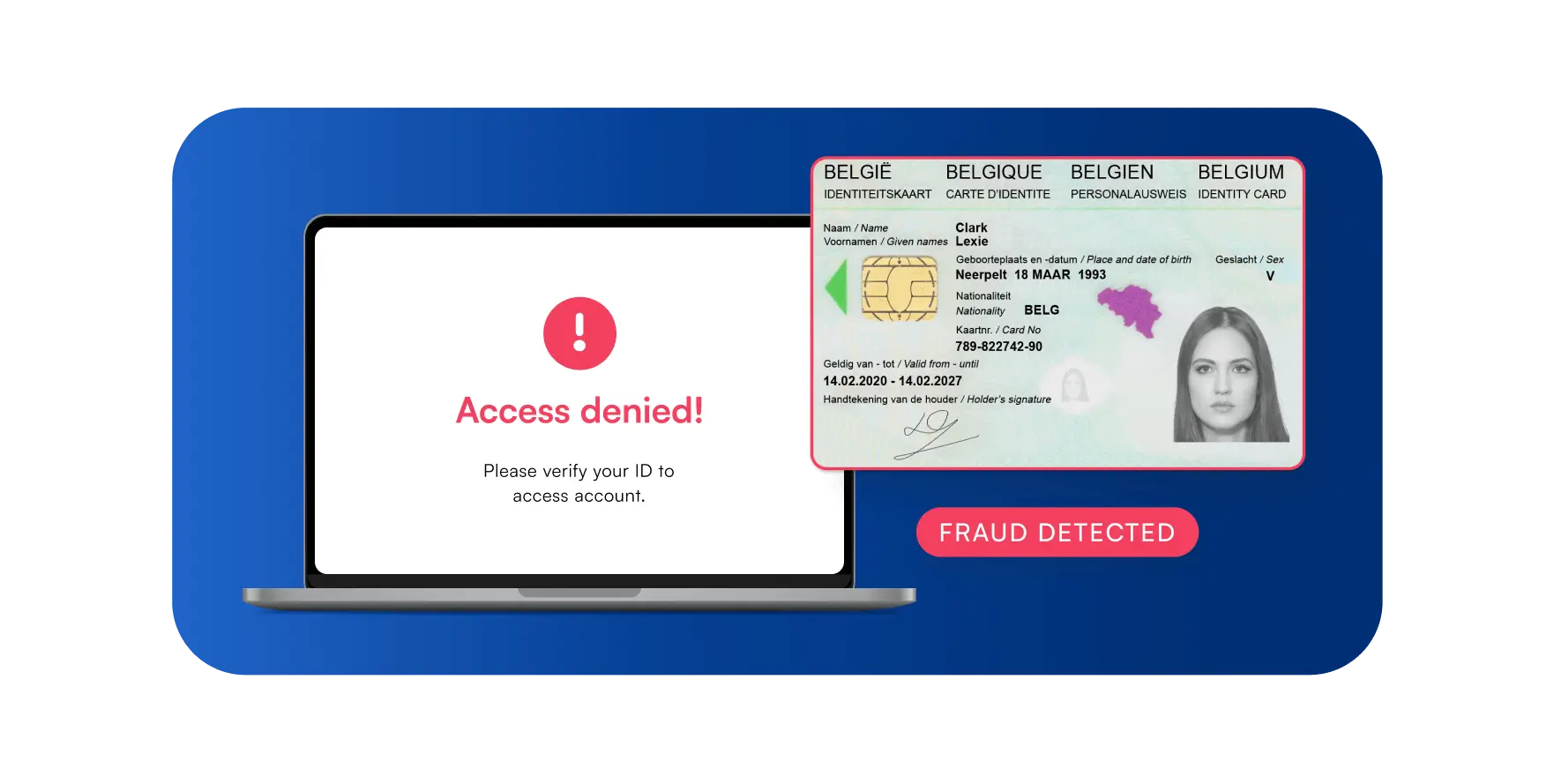
Detect stolen or synthetic identities with precision and verify IDs to prevent fraudulent account creation and transactions

Ensure compliance and prevent underage access by instantly verifying customer ages through secure ID scanning

With 12 years of expertise in computer vision R&D, Microblink has been at the forefront of AI-driven identity verification, continuously innovating to deliver fast and accurate solutions.

We pioneered AI-driven identity verification, setting the standard for fast, secure, and accurate ID scanning solutions.

We develop our AI in-house, using proprietary data and a dedicated team of machine learning specialists to ensure unmatched accuracy and performance in identity verification.
With 12 years of expertise in computer vision R&D, Microblink has been at the forefront of AI-driven identity verification, continuously innovating to deliver fast and accurate solutions.
We pioneered AI-driven identity verification, setting the standard for fast, secure, and accurate ID scanning solutions.
We develop our AI in-house, using proprietary data and a dedicated team of machine learning specialists to ensure unmatched accuracy and performance in identity verification.
Our passive liveness detection verifies real users seamlessly in under two seconds using a single-frame capture. Unlike active liveness solutions that require users to blink, turn their heads, or complete complex «facial gymnastics,» our passive approach ensures zero friction for legitimate users while maintaining high security.
Yes. Microblink utilizes advanced Fraud Lab models that analyze micro-signals directly at the device level. Our ISO-compliant engine instantly detects sophisticated presentation attacks, including high-resolution video playbacks, masks, 3D injection attacks, and generative AI deepfakes.
During the onboarding flow, our software performs an automated biometric 1:1 face match, comparing the user’s live selfie against the photo on their verified government-issued ID (such as a driver’s license or passport) to ensure the person applying matches the document holder.
Our lightweight mobile SDKs and APIs feature a plug-and-play architecture that can be integrated into your existing iOS, Android, or web onboarding flows in just a few hours—eliminating the need for custom, time-consuming engineering builds.
By eliminating manual verification delays and removing complex active liveness steps, the fast, two-second passive capture creates a frictionless user experience. This streamlined process helps reduce onboarding drop-off by up to 25%.
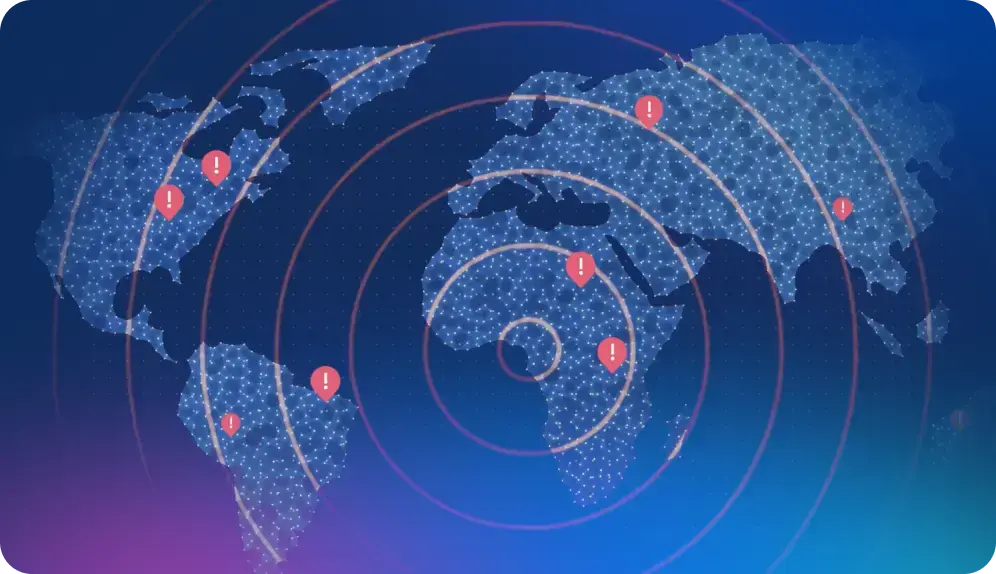
La IA no solo ha acelerado el fraude, sino que lo ha convertido en un sistema. Hemos analizado millones de interacciones relacionadas con la identidad para trazar un mapa de cómo están evolucionando los ataques a la identidad en las distintas regiones, según los tipos de ataque y los niveles de sofisticación, y qué deben replantearse las organizaciones para mantenerse al día.
Ver los datos