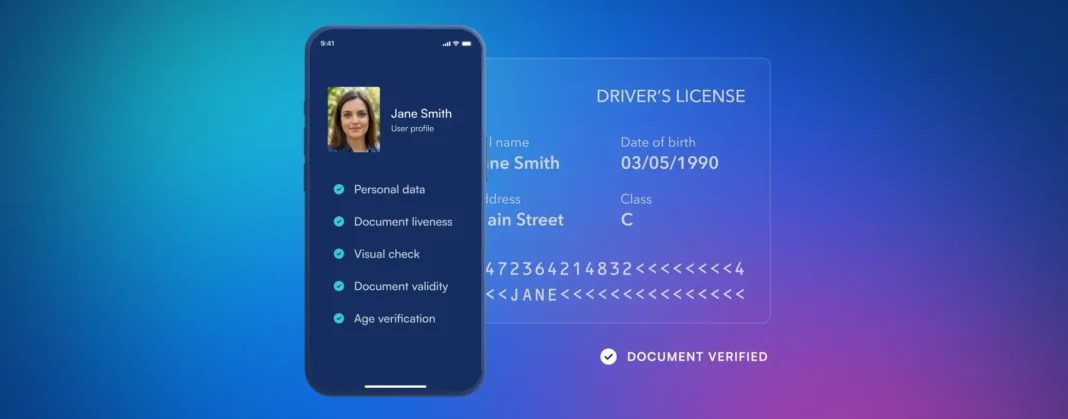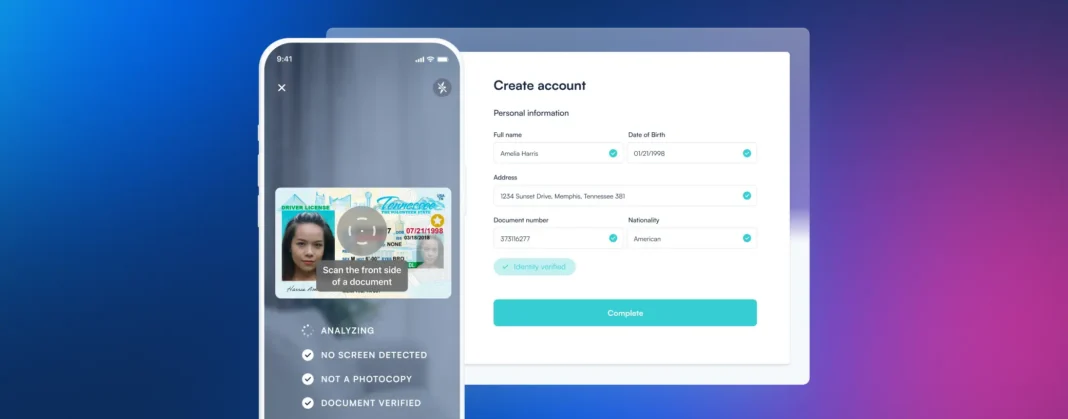

Most bank fraud spending goes to the transaction layer, where activity can be scored. The costliest losses start earlier — with an account that was never legitimate, opened by an identity that was never real, behaving perfectly until the day it doesn’t.
Microblink covers the identity layer of a bank fraud programme: proving who is opening the account, and proving it is still them at the moments that carry the most risk.








Loss Concentration
A synthetic identity does not trip a monitoring rule, because there is nothing anomalous about its behaviour. It banks normally, builds standing, and is written off months later as credit loss rather than recorded as fraud.
Nothing downstream can flag an account that behaves correctly. By the time a pattern emerges the account has banked cleanly for months, which is exactly the standing the fraud was built to acquire.
New account fraud is routinely booked as charge-off rather than fraud loss. The number in the fraud report understates the problem, which makes the case for fixing it harder to make internally.
Passwords, one-time passcodes, and knowledge questions all confirm access to something rather than the presence of someone. Against a determined attacker with breached data, none of them establish identity.
The Full Picture
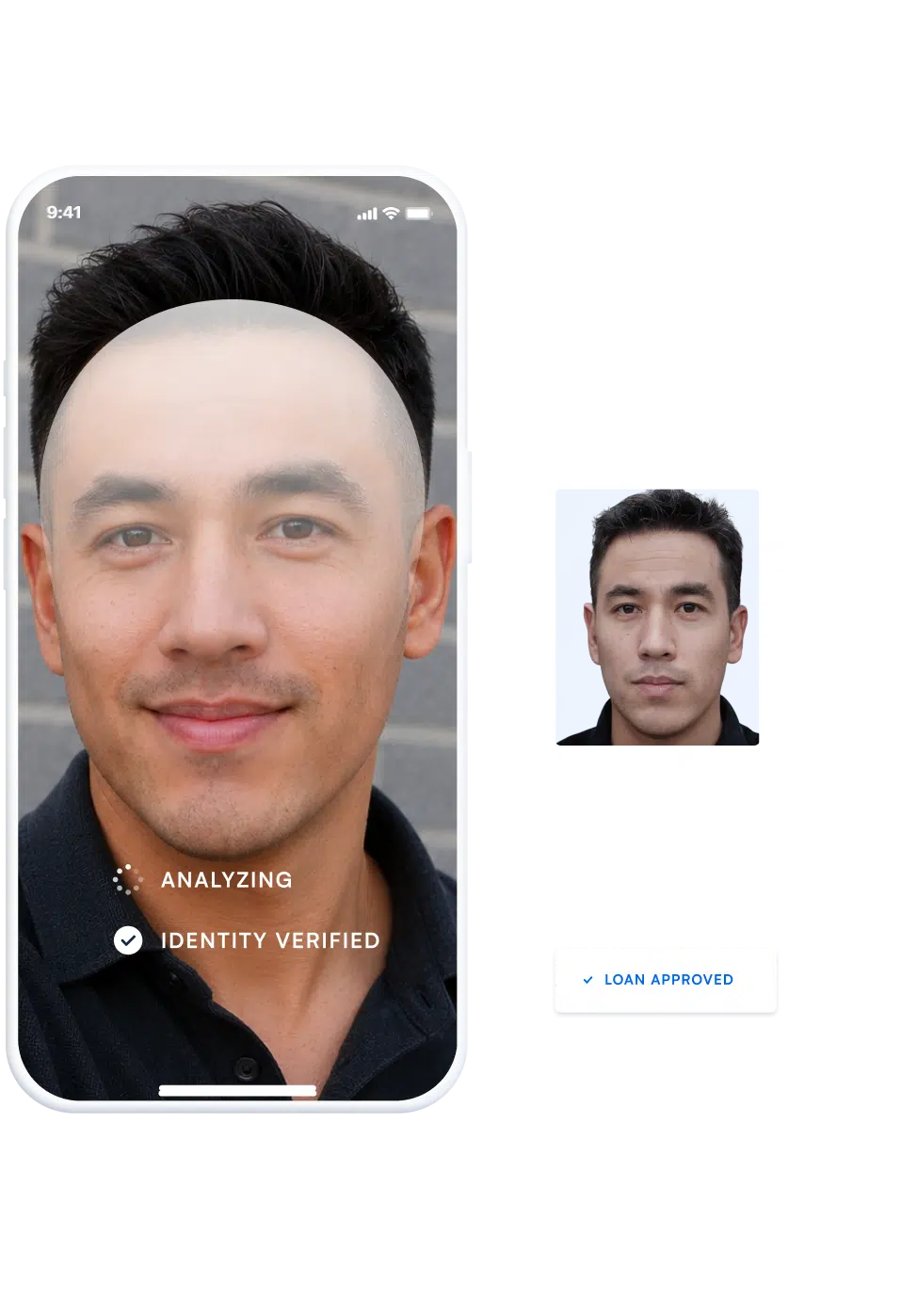
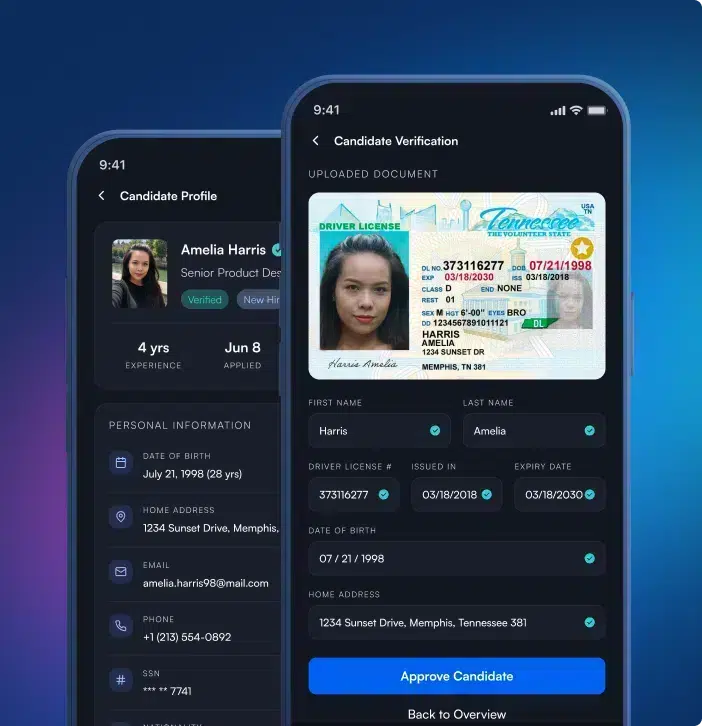
Fraud committed at application: synthetic identities, stolen identities, and forged or altered documents used to open an account that should never have existed. This is the layer identity verification addresses directly. Authenticating the document and confirming a live person holds it is the only control that operates before there is any account behaviour to analyse.
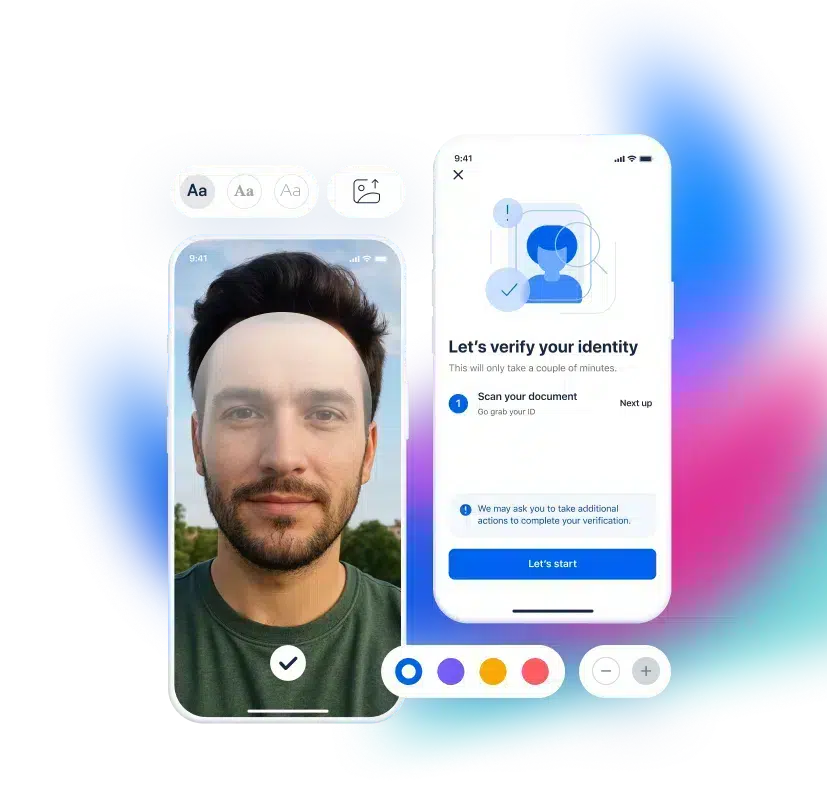
A legitimate account compromised through phishing, credential stuffing, SIM swap, or social engineering. Bot management and device intelligence handle the automated end of this. Where identity verification contributes is step-up: re-establishing that the actual account holder is present before a transfer, limit change, or credential reset goes through.
Unauthorised movement of money — wires, instant payments, and transfers pushed through a compromised or coerced account. Scoring the transaction itself belongs to a monitoring platform. Identity verification supplies the possession factor for step-up at the moment of movement, and stronger evidence than a one-time passcode when the customer later disputes it.
Fraud committed by a genuinely verified customer — disputing legitimate transactions, or opening an account and handing over access. No identity check catches intent. What it does establish is who actually opened the account and who was present at each step-up, which is the evidence every subsequent investigation and dispute depends on.
New Account Fraud
New account fraud rarely looks like fraud while it is happening. It looks like an ordinary customer, which is why it survives controls designed to spot anomalies. Understanding the sequence explains why the only effective intervention point is the first one — before the account exists. For the wider vendor landscape, our bank fraud prevention guide compares the tools available.
A fabricated or stolen identity is submitted with a forged, altered, or genuine-but-borrowed document. The details reconcile against the records they are checked against, so nothing is refused.
The account behaves impeccably for months. Small deposits, regular activity, no flags. It is accumulating the one thing the fraud needs: institutional trust.
Limits are drawn down in full and simultaneously across every available product, then the identity disappears. There was never a person to pursue.
With no victim to report it and no anomaly to point at, the loss is usually booked as credit charge-off — so the fraud programme never sees the true number.
What Exposes a Fraudulent Application

Security features, tampering, and signs of synthetic generation checked against 2,500+ document types. See document fraud detection.

Documents presented from another display or as a photocopy, rather than physically held.

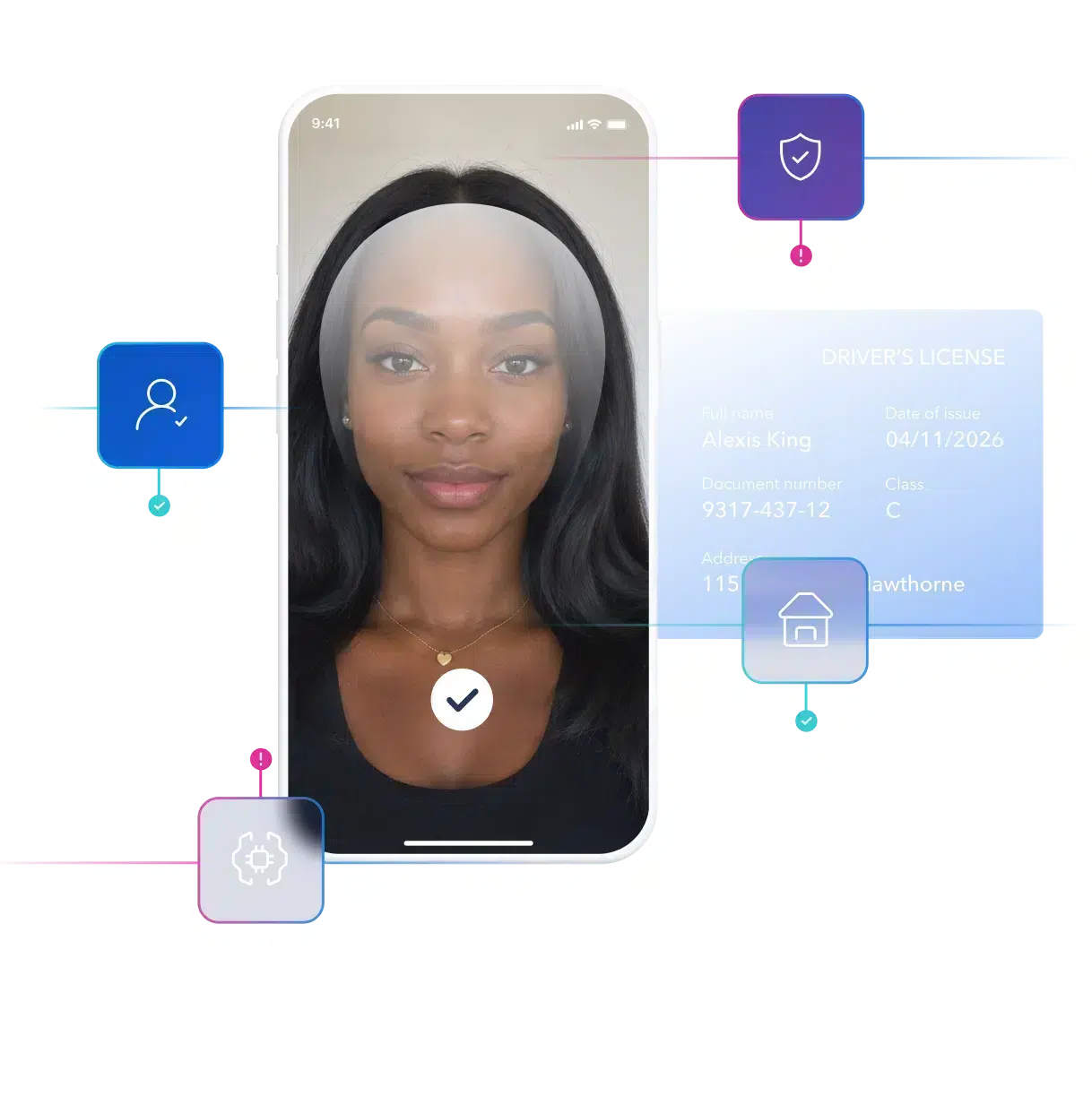
A live human present at application, not a photo, mask, or generated face. See biometric authentication.

The applicant matched to the portrait on the document they submitted — the check a stolen identity fails.

The same document or face returning under different applicant details, which is how synthetic identities are farmed at volume.
Security features, tampering, and signs of synthetic generation checked against 2,500+ document types. See document fraud detection.
Documents presented from another display or as a photocopy, rather than physically held.
A live human present at application, not a photo, mask, or generated face. See biometric authentication.
The applicant matched to the portrait on the document they submitted — the check a stolen identity fails.
The same document or face returning under different applicant details, which is how synthetic identities are farmed at volume.
Step-Up Authentication

Outbound payments, where the only thing between an attacker and the money is usually a code sent to a phone they may already control.

Password resets, contact detail updates, and new device enrolment — the sequence an account takeover runs through before it touches money.

The softest target in most institutions, where a caller with enough personal detail can talk past an agent. Self-service re-verification closes that route and takes it out of the queue.
Outbound payments, where the only thing between an attacker and the money is usually a code sent to a phone they may already control.
Password resets, contact detail updates, and new device enrolment — the sequence an account takeover runs through before it touches money.
The softest target in most institutions, where a caller with enough personal detail can talk past an agent. Self-service re-verification closes that route and takes it out of the queue.

First Abu Dhabi Bank partners with Microblink to accelerate ID scanning during KYC verification.

Discover how Attain is transforming the consumer-permissioned future with BlinkReceipt.

Discover how BlinkID revolutionized Jurat’s user experience and contributed to their success in the digital notary industry.

Quick and accurate ID verification, ensuring a seamless and secure registration process

Meet regulatory requirements with ID document verification and non-documentary signals


Verify identity and prevent unauthorized transactions through secure document scanning

Detect stolen or synthetic identities with precision and verify IDs to prevent fraudulent account creation and transactions

Ensure compliance and prevent underage access by instantly verifying customer ages through secure ID scanning

With 12 years of expertise in computer vision R&D, Microblink has been at the forefront of AI-driven identity verification, continuously innovating to deliver fast and accurate solutions.

We pioneered AI-driven identity verification, setting the standard for fast, secure, and accurate ID scanning solutions.

We develop our AI in-house, using proprietary data and a dedicated team of machine learning specialists to ensure unmatched accuracy and performance in identity verification.
With 12 years of expertise in computer vision R&D, Microblink has been at the forefront of AI-driven identity verification, continuously innovating to deliver fast and accurate solutions.
We pioneered AI-driven identity verification, setting the standard for fast, secure, and accurate ID scanning solutions.
We develop our AI in-house, using proprietary data and a dedicated team of machine learning specialists to ensure unmatched accuracy and performance in identity verification.
Latest
Fraud committed at the point of account opening rather than during transactions — using a synthetic identity, a stolen identity, or a forged document to open an account that should never have been approved. It is frequently recorded as credit loss rather than fraud loss, which is why most institutions understate it.
New account fraud creates an illegitimate account from the start. Account takeover compromises a legitimate one that already exists. They need different controls: identity verification at application for the first, and step-up re-verification plus device and bot defences for the second.
No. Anything that evaluates activity after the account is live sits with a monitoring platform. Microblink covers the identity layer — who opened the account, and whether it is still them at high-risk moments. The two are complementary, and a monitoring platform performs better when the identities feeding it were actually verified.
An additional identity check triggered by risk rather than applied to everyone — at a large transfer, a credential reset, or a new device. Verifying a document or payment card supplies a possession factor, which is stronger evidence than a one-time passcode and does not require issuing hardware tokens.
Not by itself. First-party fraud is committed by a genuinely verified customer, so no identity check will prevent it. What verification provides is a defensible record of who opened the account and who was present at each step-up, which is the evidence a dispute or investigation depends on.
Start by finding out how much of your charge-off is actually new account fraud. Most institutions cannot answer that, because the losses were never categorised as fraud in the first place. Sampling written-off accounts for signs the identity was never real usually reveals a number large enough to justify instrumenting the application decision — which is the control that no amount of transaction scoring can substitute for.
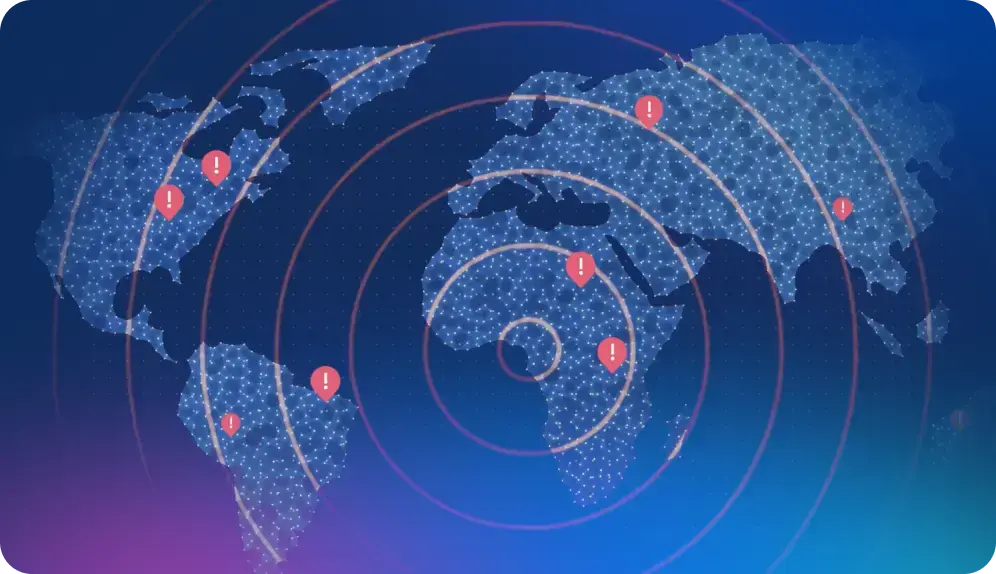
L'IA n'a pas seulement accéléré la fraude. Elle en a fait un véritable système. Nous avons analysé des millions d'interactions liées à l'identité afin de cartographier l'évolution des attaques d'usurpation d'identité selon les régions, les types d'attaques et les niveaux de sophistication — et d'identifier ce que les organisations doivent repenser pour rester dans la course.
Consultez les données